
How to Store Bread Machine Bread?
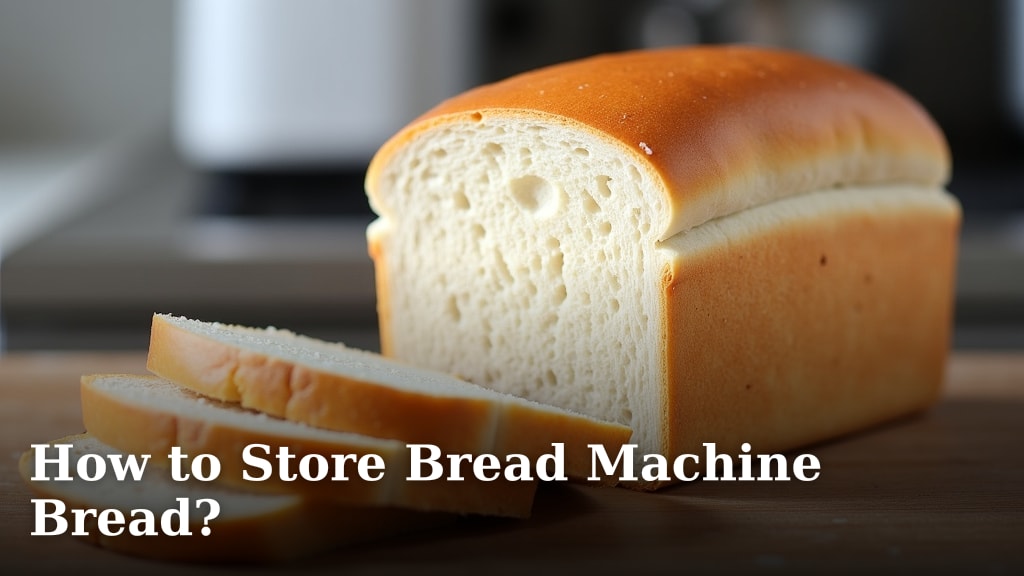
To properly store bread machine bread, let it cool completely on a wire rack first. Then, place it in an airtight container or bag at room temperature for 3-5 days. For longer storage, you can freeze it.
You’ve just baked a beautiful loaf, and now you want to keep it fresh, right? We know the feeling! Proper storage is key to enjoying your delicious homemade bread for as long as possible. We found that a few simple steps make all the difference in preserving that perfect texture and flavor.
- Let bread cool completely before storing.
- Use airtight containers or bags.
- Store at room temperature for short-term.
- Freeze for long-term storage.
- Avoid refrigeration for most loaves.
Let’s walk through exactly how to keep your bread machine masterpiece tasting its best, whether you’re enjoying it tomorrow or next month.
Keeping Your Bread Machine Loaf Fresh
Once your bread machine signals it’s done, your work isn’t quite finished! Getting the most out of your homemade bread starts with proper care right after baking. We found that a few simple steps make a big difference.
Cooling Down Your Bread Properly
This is perhaps the most crucial step in preserving your bread’s texture. You might be tempted to slice into that warm, fragrant loaf right away. We understand the temptation! But resist the urge, if you can.
The Science of Cooling
When bread first comes out of the machine, it’s still cooking. The internal temperature is very high, and steam is still escaping. If you cut it too soon, the bread can become gummy or dense. It will also dry out faster.
We found that letting your bread cool slowly allows the starches to set. This process is called retrogradation. It helps create that perfect chewy yet soft texture you love (Research Gate).
Best Practices for Cooling
- Immediately remove the loaf from the bread machine pan. Leaving it in the hot pan can cause the bottom and sides to become soggy.
- Place the loaf on a wire cooling rack. Air circulation is your friend here. It allows all sides of the bread to cool evenly.
- Allow it to cool for at least one hour, or even two, before slicing. For larger, denser loaves, two hours is even better.
- Don’t cover the bread while it’s cooling. This traps moisture and can make the crust soft.
Short-Term Storage Solutions (1-3 Days)
So, your bread is perfectly cool. Now what? For bread you plan to eat within a few days, keeping it at room temperature is usually best. This preserves its flavor and texture without hastening staleness.
Airtight Bags and Containers
Air is the enemy of fresh bread. It causes staleness. So, your goal is to limit exposure to air while also allowing some slight breathing. It’s a delicate balance!
We found that a simple plastic bag often works wonders. A resealable plastic bag or a bread bag is ideal. Make sure you squeeze out as much air as possible before sealing it.
You can also use an airtight storage container. Some people like special bread boxes. These keep air out but also prevent the bread from getting squished.
Where to Store It?
Once bagged or contained, where should you put it? A cool, dry place in your kitchen counter or pantry is perfect. Avoid direct sunlight or areas near heat sources, like your oven or a sunny window.
Here’s a quick overview of common short-term storage options:
| Storage Method | Pros | Cons | Ideal For |
|---|---|---|---|
| Plastic Bag (Resealable) | Affordable, readily available, good air barrier | Can crush bread, potentially creates condensation | Most bread types, daily use |
| Bread Box | Protects shape, looks nice, provides some air circulation | Can be bulky, not always fully airtight | Crusty loaves, aesthetic appeal |
| Airtight Container | Excellent air barrier, protects shape | Can take up space, some types might trap too much moisture | Dense loaves, keeping odors out |
| Linen Bread Bag | Allows bread to breathe, sustainable | Not fully airtight, bread dries faster | Artisan loaves, very short-term (1-2 days) |
Longer-Term Storage: Freezing Your Bread
If you’ve baked a large loaf or won’t eat it all within a few days, freezing is your best friend. Freezing stops the staling process almost completely. It’s far better than refrigeration for most breads, we found.
Why Not the Fridge?
Many experts advise against refrigerating most homemade bread (USDA). Why? It’s all about the starch! Between 35°F and 50°F (the fridge range), the starch molecules in bread recrystallize quickly. This makes your bread go stale much faster than if it were left on the counter.
Think of it like a cold snap for your bread. It just ages it prematurely.
How to Freeze Your Loaf Properly
Freezing isn’t just about tossing it in the freezer. A little preparation goes a long way to maintain quality.
- Cool completely: This is non-negotiable. Freezing warm bread leads to ice crystals and freezer burn.
- Slice first (optional but recommended): If you plan to toast individual slices, cut the bread before freezing. This means you only take out what you need.
- Wrap tightly: We found that double-wrapping works best. First, wrap your bread (or individual slices) in plastic wrap. Make sure there are no air bubbles.
- Use a freezer bag: After the plastic wrap, place the bread in a freezer-safe bag. Squeeze out all excess air. You can also use aluminum foil as a second layer.
- Label and date: You won’t remember when you put it in there! A simple label with the date helps you use it within the ideal timeframe.
How Long Can You Freeze Bread?
Generally, bread can stay fresh in the freezer for up to 3 months. Past that, it’s still safe to eat, but the quality might start to decline. You might notice some changes in texture or flavor.
Thawing and Reheating Frozen Bread
Once you want to enjoy your frozen bread, you have a few options for thawing.
Thawing Whole Loaves
Take the wrapped loaf out of the freezer. Let it thaw at room temperature for several hours. This might take 3-6 hours depending on the size of the loaf. Try to unwrap it once it’s mostly thawed to prevent moisture buildup on the crust.
For an extra fresh feel, you can reheat a completely thawed loaf in a 350°F (175°C) oven for 10-15 minutes.
Thawing Individual Slices
This is where pre-slicing really shines! You can simply pop a frozen slice directly into your toaster. It might need a bit longer than fresh bread. You can also microwave slices for 10-20 seconds for a quick thaw, though this can sometimes alter the texture slightly.
Special Considerations for Different Bread Types
While the general rules apply, some bread types have unique needs.
Crusty Breads
If you love a bread with a crispy crust, like a French bread or ciabatta, storing it in an airtight bag can soften that crust quickly. For short-term (1 day), some people prefer to store these cut-side down on a cutting board, uncovered. For longer storage, freeze them!
Sweet Breads and Enriched Doughs
Breads with eggs, butter, and milk (like brioche or challah) tend to stay fresh a little longer. Their richness helps retain moisture. Follow the same cooling and storage tips, but you might find they keep well for 4-5 days at room temperature.
Your Bread Storage Checklist
To ensure your bread machine masterpiece stays delicious, follow this simple checklist:
- Cool your bread completely on a wire rack.
- For short-term, use an airtight bag or container.
- Store at room temperature, away from heat and light.
- Avoid the refrigerator for most bread types.
- For long-term, double-wrap and freeze for up to 3 months.
- Thaw frozen bread at room temperature or toast slices directly.
Conclusion
You’ve put effort into baking delicious bread machine loaves, and now you know how to make them last. By allowing your bread to cool completely, choosing the right airtight storage at room temperature, or effectively freezing for the long term, you can preserve that wonderful taste and texture. Remember to avoid refrigeration for most loaves to prevent premature staling.
With these simple techniques, you’re now equipped to enjoy every slice of your homemade bread, whether it’s today or months from now. Go ahead, bake another batch, and savor the freshness!
Frequently Asked Questions
Should I slice bread before freezing?
Yes, slicing bread before freezing is a great idea. It allows you to take out and thaw only the amount you need, making it very convenient for single servings or quick toast. Just make sure to wrap the slices tightly.
Can I store bread machine bread in a paper bag?
While paper bags allow some air circulation, they don’t prevent moisture loss effectively. Your bread will likely dry out and go stale much faster than if stored in an airtight plastic bag or container. We recommend paper bags only for very short-term storage of super-crusty loaves you plan to eat within hours.
What’s the best way to revive slightly stale bread?
You can often refresh slightly stale bread by lightly dampening it with water and then warming it in an oven or toaster oven for a few minutes. The moisture helps rehydrate the crust and crumb, making it softer. This works best for bread that isn’t completely rock-hard.
Does a bread box really keep bread fresher?
A good bread box can help keep bread fresh by providing a consistent environment and protecting it from open air. However, not all bread boxes are perfectly airtight. We found they work well for crusty loaves or short-term storage, but for maximum freshness, an airtight plastic bag inside the box can be even better.
Can I store warm bread directly in an airtight container?
No, you should never store warm bread in an airtight container or bag. Doing so traps steam and moisture, which will make the crust soggy and can encourage mold growth. Always let your bread cool completely on a wire rack first.
