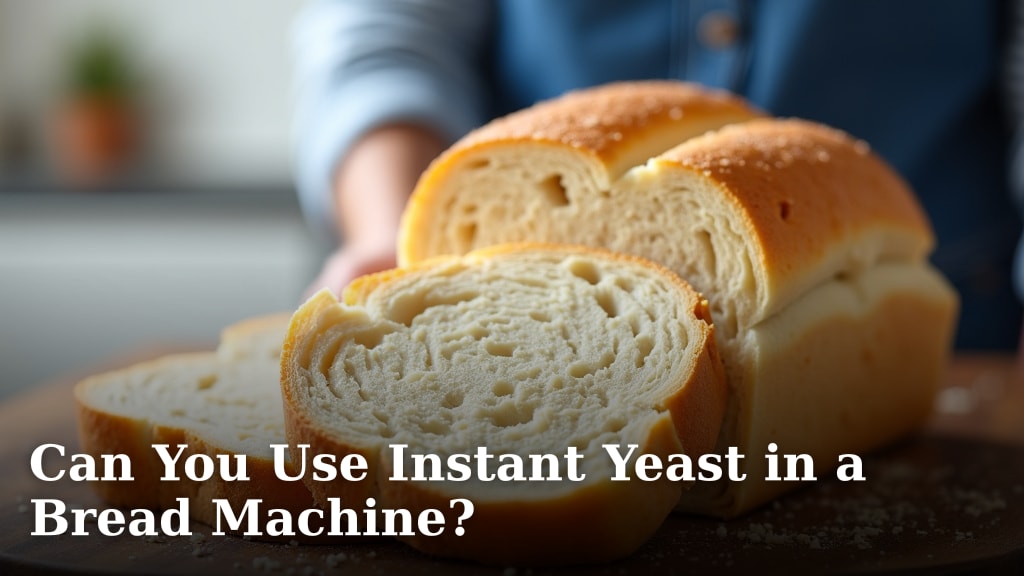
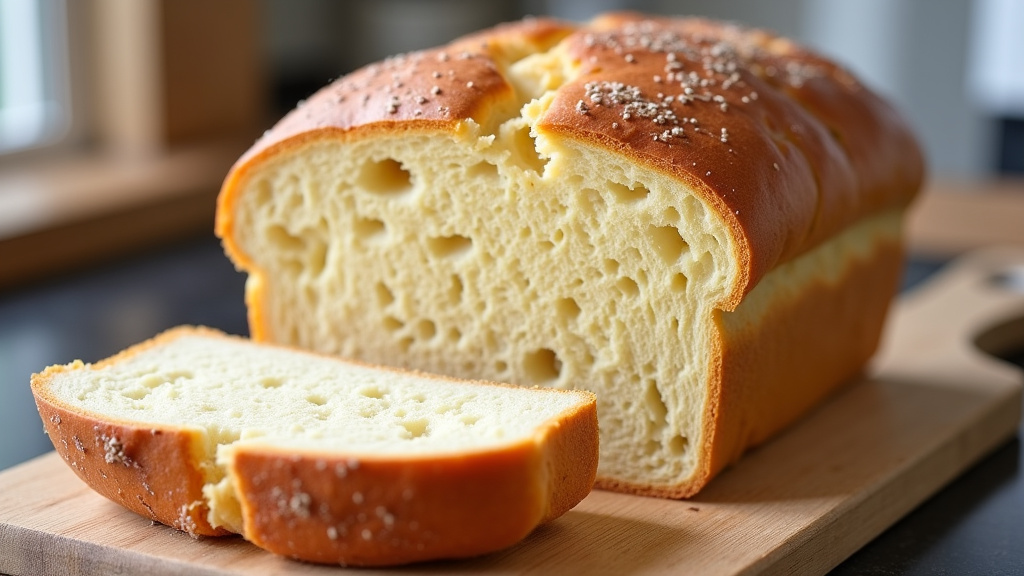
Yes, you can absolutely use instant yeast in a bread machine with great success. In fact, many bread machine recipes call for it, as it’s designed to be mixed directly with dry ingredients without prior activation. This makes your bread-making process incredibly convenient and straightforward.
You might be wondering about the differences between various yeast types, and if one is better for bread machines. We found that instant yeast is often preferred for its reliability and ease of use, allowing you to get consistent results every time. It saves you the step of proofing, which is a big win.
Instant yeast works great in bread machines.
No need to proof instant yeast first.
It’s super convenient for baking.
You’ll often get consistent, good results.
Let’s walk through exactly how this works and what you need to know to bake perfect loaves.
Instant
Conclusion
So, you’ve seen that using instant yeast in your bread machine is not just possible, but often the best choice for convenience and consistent results. You can confidently skip the proofing step and trust that your machine will handle the rest. This method simplifies your baking, ensuring a delicious loaf with minimal fuss.
Embrace the simplicity of instant yeast for your next bread machine recipe. You’ll save time and enjoy perfectly risen bread every time. Go ahead and start baking!
Frequently Asked Questions
Do I need to adjust the amount of instant yeast compared to active dry yeast?
Generally, you can use slightly less instant yeast than active dry yeast, about 25% less. Instant yeast is more potent, so a smaller quantity often achieves the same rise. Always check your specific recipe for recommendations.
Can I use instant yeast in any bread machine recipe?
Yes, you can substitute instant yeast in most bread machine recipes. If the recipe calls for active dry yeast, simply follow the 25% reduction guideline. Recipes specifically designed for bread machines often already account for instant yeast’s properties.
Where should I add instant yeast in my bread machine?
Always add instant yeast last, on top of your dry ingredients, away from any liquids or salt. This prevents premature activation and ensures the best rise. Follow your bread machine’s recommended ingredient layering for optimal results.
How should I store instant yeast to keep it fresh?
Store instant yeast in an airtight container in your refrigerator or freezer. This prolongs its shelf life significantly, often for several months beyond the printed date. Cold storage keeps the yeast dormant until you’re ready to bake.
What if my bread machine recipe calls for “bread machine yeast”?
“Bread machine yeast” is typically another name for instant yeast, or a very similar fast-acting variety. You can use standard instant yeast interchangeably in recipes that specify “bread machine yeast.” It’s designed for direct mixing with dry ingredients.
Best & VS is your trusted guide for smarter product comparisons, analyzing everything from everyday essentials and tech gadgets to home tools and lifestyle upgrades to help you evaluate options side by side, understand key differences, and choose with confidence and clarity.