
Can You Freeze Bread Machine Bread?
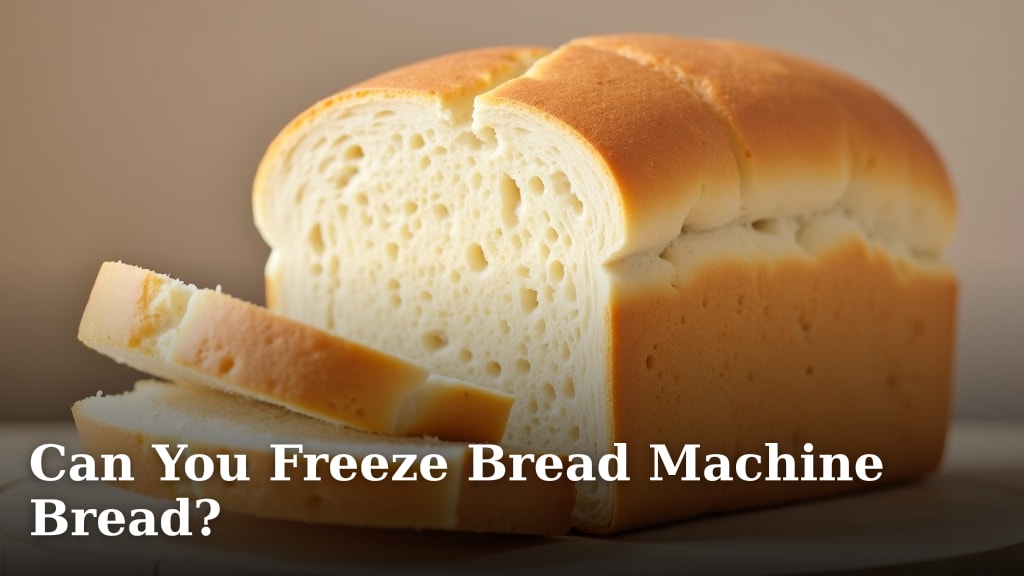
Yes, you can absolutely freeze bread machine bread! Freezing is a fantastic way to keep your homemade loaves fresh longer. It helps preserve that lovely taste and texture you worked hard to achieve.
You want to enjoy that fresh-baked goodness for weeks, right? Freezing stops mold growth and keeps your bread from getting stale. This means less food waste and more delicious bread for your family.
- You can freeze bread machine bread.
- Freezing preserves freshness for several weeks.
- Proper wrapping prevents freezer burn.
- Thaw at room temperature for best results.
- You can even freeze dough before baking.
Let’s walk through exactly how to freeze your bread machine masterpieces, ensuring every slice is as good as the day it was baked.
How to Properly Freeze Your Bread Machine Creations
Freezing your bread machine bread is simple when you follow a few key steps. You want to lock in that freshness. This process ensures your delicious homemade bread stays enjoyable for weeks.
Timing and proper packaging are your best friends here. Don’t rush it! A little effort now means better bread later.
The Importance of Cooling Your Bread First
This is perhaps the most critical step. Never freeze warm or hot bread. Why? Warm bread creates condensation inside the packaging. This leads to ice crystals and freezer burn. Your bread will taste dry and unpleasant.
Let your bread cool completely on a wire rack. This allows steam to escape. It usually takes 1-2 hours. Make sure it’s at room temperature before moving to the next stage.
Wrapping Techniques for Optimal Preservation
Good wrapping is key to preventing freezer burn. Freezer burn is when air exposure dries out your food. It gives your bread a stale, leathery texture. We want to avoid that!
Your goal is to create an airtight seal around the bread. This protects its moisture and flavor (USDA).
Choosing the Right Materials
You have a few good options for wrapping. Each offers slightly different benefits. The important thing is to use materials designed for freezing.
- Plastic wrap: Use heavy-duty freezer-safe plastic wrap. Wrap it tightly around the entire loaf.
- Aluminum foil: A double layer of heavy-duty foil works very well. It offers an excellent barrier.
- Freezer bags: After wrapping in plastic or foil, place the bread in a large, heavy-duty freezer bag. Squeeze out as much air as possible before sealing.
Step-by-Step Wrapping Method
To really protect your bread, we recommend a two-layer approach. This creates a strong barrier against air.
- Once your bread is cool, wrap it tightly in a layer of plastic wrap. Make sure there are no gaps.
- Next, wrap the plastic-covered loaf in a layer of heavy-duty aluminum foil. Again, press out any air.
- Finally, place the double-wrapped loaf into a large freezer bag. Press out all the air before sealing.
Some people prefer to slice their bread first. If you do this, place parchment paper between the slices. Then follow the same wrapping steps. This makes it easier to take out a few slices at a time.
How Long Can You Store Bread Machine Bread in the Freezer?
When properly frozen, your bread machine bread can stay fresh for a good amount of time. You’ll be surprised how long that freshly baked taste lasts.
Generally, you can expect your bread to remain in excellent condition for 2 to 3 months. Some sources even suggest up to 6 months (FoodSafety.gov). After this, it’s still safe to eat, but the quality might decline. It might lose some moisture or flavor.
- 2-3 months: Optimal quality.
- Up to 6 months: Still safe, but quality may decrease.
Labeling Your Frozen Bread
Don’t forget to label your bread! It’s easy to forget what’s in your freezer. You might confuse a white loaf with a wheat loaf.
Use a permanent marker on your freezer bag. Write the date you froze it and the type of bread. This helps you track its freshness and avoid waste.
For example: “White Bread – 10/26/23”.
Thawing and Reheating for Best Results
You’ve successfully frozen your bread. Now, how do you bring it back to life? Proper thawing is just as important as proper freezing. This step ensures you get that delicious, fresh texture again.
You want to thaw it gently. Avoid quick methods that can dry out the bread.
Thawing Whole Loaves
For a whole loaf, the best method is to thaw it slowly. This helps it retain its moisture.
Simply remove the bread from the freezer. Keep it in its wrapping. Place it on your kitchen counter at room temperature. It usually takes 4-6 hours for a whole loaf to thaw completely.
Once thawed, you can enjoy it as is. Or, for an extra touch, you can warm it up.
Reheating for that “Fresh from the Oven” Feel
Want to recreate that bakery experience? You can reheat your thawed bread. This brings back a lovely crisp crust and soft interior.
Preheat your oven to 350°F (175°C). Remove the bread from all its wrapping. You can wrap it loosely in foil if you like. Bake for about 10-15 minutes. It will smell and taste just like it was freshly baked!
If you thawed individual slices, you can toast them. Or, warm them quickly in a microwave for 10-15 seconds. Be careful not to overheat, or they’ll get tough.
Can You Freeze Bread Machine Dough?
Yes, you absolutely can freeze bread machine dough! This is a fantastic time-saver. You can prepare several batches of dough and bake them later. It’s like having a little bakery ready to go in your freezer.
Freezing dough is different from freezing baked bread. You need to consider the yeast. Yeast is a living organism. Freezing can affect its activity.
Freezing Unbaked Dough Steps
Follow these steps for successful dough freezing:
- Prepare your dough in the bread machine on the “dough” cycle.
- Once the cycle is complete, punch down the dough to release air.
- Divide the dough into the portion sizes you plan to bake later.
- Lightly oil the surface of each dough portion. This prevents drying.
- Wrap each portion tightly in plastic wrap. Then, wrap again in aluminum foil.
- Place the double-wrapped dough balls into a freezer bag. Remove as much air as possible.
- Label with the date and type of dough.
The dough can be stored in the freezer for up to 1 month for best results. Beyond that, the yeast might lose too much of its potency. This means your bread might not rise as well.
Thawing and Baking Frozen Dough
When you’re ready to bake, here’s what to do:
- Remove the dough from the freezer. Keep it wrapped.
- Place it in the refrigerator overnight to thaw slowly. This is the best method.
- Once thawed, unwrap the dough. Punch it down gently.
- Let the dough rise in a warm place until doubled in size. This can take longer than fresh dough.
- Bake according to your recipe’s instructions.
You might find the dough takes a little longer to rise. Or it might not rise quite as high. This is normal. The yeast has been through a lot!
Quick Checklist for Freezing Bread Machine Bread
Here’s a quick summary to ensure your freezing process is perfect:
- Allow bread to cool completely on a wire rack.
- Wrap tightly in plastic wrap, then aluminum foil.
- Place in a freezer bag, squeezing out air.
- Label with date and bread type.
- Store in the freezer for up to 2-3 months for best quality.
Troubleshooting Common Freezing Issues
Sometimes things don’t go as planned. You might encounter an issue or two. Let’s look at some common problems and how to fix them. You’re not alone in this!
My Bread Tastes Dry After Freezing
This is often a sign of freezer burn. It happens when air gets to your bread. Did you wrap it tightly enough? Was there a hole in the bag?
Next time, use multiple layers of protection. A double wrap of plastic and foil, then a freezer bag, offers great defense. Ensure no air pockets remain. Also, make sure the bread was completely cool before wrapping.
My Frozen Dough Didn’t Rise Well
If your dough seems sluggish, it might be due to a few things. Yeast activity can decrease during freezing. The longer it’s frozen, the more impact it can have.
Try using a little extra yeast in your recipe next time you plan to freeze dough. Also, ensure your thawing and rising environment is warm enough. Give it extra time to rise. If it’s been in the freezer for longer than a month, its rising power might naturally weaken.
What About Freezing Half a Loaf?
Yes, you can absolutely freeze half a loaf! Just treat it like a whole loaf. Wrap the cut side first. Then proceed with the double-wrapping method. This is perfect for smaller households or if you just can’t finish a whole loaf quickly. It’s all about preventing waste and enjoying your efforts.
Freezing your bread machine bread is a fantastic habit. It keeps your kitchen stocked with delicious, homemade goodness. You get to enjoy that fresh taste without extra trips to the store. Happy baking, and happy freezing!
Conclusion
Freezing your bread machine creations is a simple yet powerful way to extend their life. You’ve learned the essential steps: cooling completely, wrapping tightly, and thawing gently. By following these tips, you can enjoy that wonderful homemade taste for weeks, minimizing waste and maximizing convenience.
Whether it’s a fully baked loaf or prepared dough, your freezer is a great tool for meal prep. Go ahead and bake that extra loaf! You now have all the knowledge to preserve your delicious efforts. Your future self will thank you for that readily available, fresh-tasting bread.
Frequently Asked Questions
Is it better to freeze bread machine bread whole or sliced?
You can freeze bread machine bread either way, but slicing it first offers more convenience. If you slice it, place parchment paper between slices before wrapping. This allows you to remove just a few slices at a time without thawing the entire loaf.
Can I freeze gluten-free bread machine bread?
Yes, you can absolutely freeze gluten-free bread machine bread. The same principles apply: ensure it’s completely cool, wrap it very well to prevent freezer burn, and thaw it slowly. Freezing is an excellent way to keep gluten-free bread fresh, as it often has a shorter shelf life.
How can I tell if frozen bread has gone bad?
You can tell if frozen bread has gone bad by checking for signs of freezer burn, which looks like dry, discolored patches. While still safe to eat, it won’t taste good. Also, look for any mold after thawing, which indicates it should be discarded. Properly wrapped bread rarely molds in the freezer.
Can I refreeze bread machine bread after it has thawed?
It’s generally not recommended to refreeze bread machine bread once it has fully thawed. Refreezing can alter the texture, making it drier and more crumbly. For best quality, only thaw the amount of bread you plan to eat immediately.
Does freezing bread machine bread affect its nutritional value?
Freezing bread machine bread does not significantly affect its nutritional value. The vitamins, minerals, and carbohydrates remain largely intact. Freezing primarily preserves the bread by stopping microbial growth and slowing down the staling process, maintaining its quality rather than changing its nutritional content.
