
Why Is My Gluten Free Bread Machine Loaf Gummy?
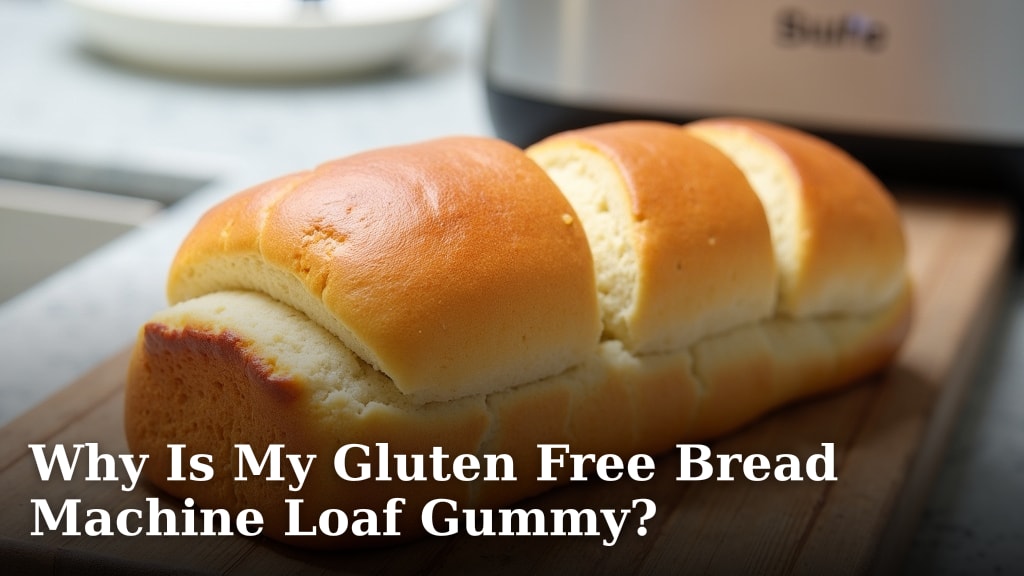
Your gluten-free bread machine loaf is gummy because of an imbalance in ingredients, improper mixing, or incorrect baking times. The unique properties of gluten-free flours require precise adjustments to achieve a light, airy texture. We found that too much liquid or not enough binder often leads to that undesirable gummy texture.
Many home bakers struggle with this issue, leading to dense, unappetizing loaves. It can be frustrating when your bread comes out chewy and wet in the middle. The right balance of flour blends, starches, and binders is key to a successful gluten-free loaf.
- Ingredient ratios are often the problem.
- You might be using too much liquid.
- The mixing process matters more than you think.
- Baking temperature and time are crucial.
- Sometimes, the recipe itself needs tweaking.
Let’s dive into the common reasons your gluten-free bread machine loaf might be gummy and how you can fix it for good.
Understanding Why Your Gluten-Free Bread Machine Loaf Gets Gummy
You’ve likely pulled a fresh loaf from your bread machine, only to find it has a disappointing, gummy texture. Why does this happen? The core reason often lies in the unique characteristics of gluten-free flours compared to traditional wheat flour. Wheat contains gluten, which acts like a stretchy net, giving bread its structure and elasticity. Without it, you need to be very precise with your ingredient ratios and techniques (National Celiac Association).
The Gluten-Free Flour Challenge: No Gluten, No Problem… Right?
Not quite! Gluten-free baking is a different ballgame. You can’t just swap out wheat flour for a gluten-free blend and expect the same results. Gluten-free flours often absorb liquids differently and lack the inherent structure that gluten provides. This means you need to be very intentional about how you build your loaf.
- Different flours behave differently: Almond flour, rice flour, and tapioca starch all have unique properties.
- Lack of elasticity: Without gluten, dough won’t stretch and capture air in the same way.
- Moisture retention: Some gluten-free flours absorb a lot of liquid, while others don’t absorb enough.
Ingredient Imbalance: The Usual Suspects Behind Gummy Bread
One of the most common culprits for a gummy loaf is an imbalance in your ingredients. It’s like a delicate chemistry experiment in your kitchen. Even small deviations can throw off the entire process, leading to that dense, wet texture nobody wants.
Too Much Liquid: The Wetness Factor
When you add too much liquid to your gluten-free bread recipe, the flour can’t absorb it all. This leaves you with a soggy, heavy dough that doesn’t bake through properly. It’s like trying to make a sandcastle with too much water; it just crumbles and loses its shape.
- Check your measuring cups. Are they accurate?
- Consider the humidity in your kitchen. Very humid air means your flour already has some moisture.
- Start with the lower end of the liquid range if a recipe gives one.
Not Enough Binder: The Missing Glue
Since gluten isn’t there to hold things together, gluten-free bread relies heavily on binders. These ingredients, like xanthan gum or psyllium husk, help create structure and elasticity. Without enough binder, your loaf will simply fall apart or become dense and gummy (Celiac Disease Foundation).
We found that many common gluten-free recipes suggest about 1/2 teaspoon of xanthan gum per cup of gluten-free flour blend. But this can vary greatly depending on the blend.
Incorrect Flour Blend: Not All Flours Are Equal
There’s a vast world of gluten-free flours, and they all have distinct characteristics. A single-flour gluten-free bread often doesn’t work well because it lacks balance. You need a blend that combines different properties: some for structure, some for tenderness, and some for flavor.
For example, using too much tapioca starch can make your bread overly chewy and gummy. On the other hand, too much rice flour can make it gritty and dry. A balanced blend is key.
Mixing and Proofing Pitfalls
It’s not just about what goes in the bowl; it’s also about what happens to it before baking. The way your dough is mixed and allowed to rise plays a huge role in its final texture. We’ve seen many instances where improper mixing directly led to gummy loaves.
Insufficient Mixing: A Half-Hearted Effort
Even though there’s no gluten to develop, gluten-free dough still needs thorough mixing. This helps activate your binders, distribute ingredients evenly, and incorporate air. If your dough isn’t mixed enough, the ingredients won’t properly hydrate, leading to a lumpy, unintegrated batter that won’t rise correctly.
Think of it like mixing cement. If you don’t mix it enough, it stays clumpy and weak. The same applies to your bread dough.
Overmixing: The Dough’s Too Tired
While insufficient mixing is a problem, overmixing can also contribute to gumminess. In gluten-free baking, overmixing can sometimes break down the delicate structure created by binders, causing the dough to become sticky and less able to hold air. It’s a fine line to walk.
Look for a dough that is well-combined and somewhat sticky, but not overly wet or soupy. Many bread machine manuals offer visual cues for ideal dough consistency.
Improper Proofing: The Art of the Rise
Proofing is the stage where your dough rises. For gluten-free bread, this process can be trickier. Too short a proof and the bread won’t develop enough air, making it dense. Too long, and it can overproof and collapse, leading to a heavy, gummy texture when baked.
Your bread machine’s “gluten-free” setting is designed to handle this, often with a shorter rise cycle. However, external factors like kitchen temperature can still affect it.
Baking Blunders: Temperature and Time
Even if your ingredients and mixing are perfect, baking errors can still ruin your loaf. The oven, or in this case, the bread machine’s baking cycle, is the final stage where success or failure is determined.
Underbaking: The Raw Middle
This is a major cause of gumminess. If your bread isn’t baked long enough or at a high enough temperature, the interior won’t cook through. It will remain raw, wet, and yes, gummy. This is particularly common in bread machines where the crust might look done, but the inside isn’t.
A good way to check for doneness is to use an instant-read thermometer. For most gluten-free breads, an internal temperature of 200-210°F (93-99°C) indicates it’s fully baked.
Not Cooling Properly: Patience is a Virtue
This step is often overlooked! When bread comes out of the machine, it’s still cooking. The internal temperature continues to equalize, and moisture redistributes. Cutting into a hot loaf can release steam too quickly, leading to a denser, gummier texture inside. Always let your bread cool completely on a wire rack.
Solving the Gummy Bread Mystery: A Troubleshooting Guide
Don’t despair! Gummy gluten-free bread is a common problem, but it’s usually fixable. Here’s a quick checklist to help you troubleshoot your next loaf.
- Double-check your measurements: Use a kitchen scale for flour and binders if possible.
- Adjust liquid content: Start with slightly less liquid than the recipe calls for, especially if your kitchen is humid.
- Ensure proper binder usage: Are you using enough xanthan gum or psyllium husk for your flour blend?
- Mix thoroughly: Let your bread machine run its full cycle. Scrape down the sides if needed.
- Verify baking temperature/time: Consider using an external oven thermometer if you suspect your machine’s temperature is off.
- Cool completely: Resist the urge to slice that warm bread! Let it cool for at least an hour.
Recipe Review: Is Your Recipe the Problem?
Sometimes, the issue isn’t you, but the recipe itself. Not all gluten-free bread machine recipes are created equal. Some may have been poorly tested or not optimized for different machines or flour blends. Don’t be afraid to try a new, well-regarded recipe if you’re consistently getting gummy results.
Many reputable gluten-free blogs and cookbooks offer tested recipes that have a higher chance of success. Look for recipes with many positive reviews from other home bakers.
| Common Gummy Bread Causes | Solution |
|---|---|
| Too much liquid | Reduce liquid by 1-2 tablespoons. |
| Not enough binder (e.g., xanthan gum) | Add 1/2 to 1 teaspoon more binder per loaf. |
| Underbaking | Use a thermometer to check for 200-210°F internal temp; extend baking time. |
| Insufficient mixing | Allow bread machine to complete full mixing cycle. |
| Cutting hot bread | Always cool bread completely on a wire rack for at least an hour. |
| Imbalanced flour blend | Try a different, well-tested gluten-free bread machine recipe. |
By systematically addressing these points, you can often turn those gummy disappointments into delicious, perfectly textured gluten-free loaves. It takes a bit of practice and observation, but you’ll get there!
Conclusion
Battling a gummy gluten-free bread machine loaf can feel like a baking mystery. But you now have the tools to solve it! We’ve found that paying close attention to liquid levels, binder ratios, and proper baking techniques can make all the difference. Don’t be afraid to tweak your recipe or even try a new one.
Each bread machine and gluten-free flour blend is unique. With a little patience and experimentation, you’ll soon be enjoying perfectly textured, homemade gluten-free bread. Keep baking, keep learning, and your next loaf will surely be a success!
Frequently Asked Questions
Why is my gluten-free bread dense and heavy?
Your gluten-free bread is likely dense and heavy due to insufficient rise time (proofing), too much liquid, or not enough binder. Ensure your yeast is active and that your recipe has enough xanthan gum or psyllium husk to provide structure.
Can I fix a gummy gluten-free loaf after it’s baked?
Unfortunately, you can’t truly “fix” a gummy texture once the loaf is baked. The gumminess is a result of moisture imbalance or underbaking during the cooking process. You can try toasting slices, which might improve the texture slightly, but it won’t eliminate the underlying issue.
How can I tell if my gluten-free bread is underbaked without cutting it?
The best way to check for doneness is by using an instant-read thermometer. Insert it into the center of the loaf; it should read between 200-210°F (93-99°C) for a properly baked gluten-free loaf. The crust should also be golden brown and firm.
Does humidity affect gluten-free bread machine recipes?
Yes, humidity significantly affects your gluten-free bread. On humid days, flours absorb more moisture from the air, meaning you might need to slightly reduce the liquid in your recipe. On dry days, you might need a tiny bit more. Adjust as needed based on your environment.
What’s the best gluten-free flour blend for a bread machine to avoid gumminess?
There isn’t one “best” blend, as different brands and combinations work for different people. We found that blends containing a mix of rice flour, sorghum flour, tapioca starch, and potato starch, along with a binder like xanthan gum, often yield good results. Look for reputable pre-made bread machine blends designed for gluten-free baking.
