How Much Does a Good Bread Machine Cost?
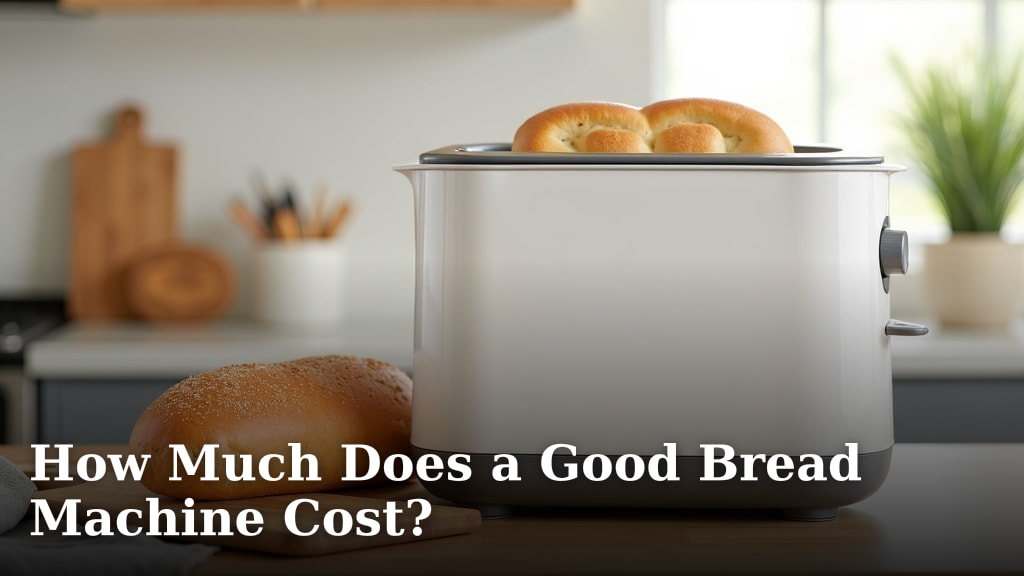
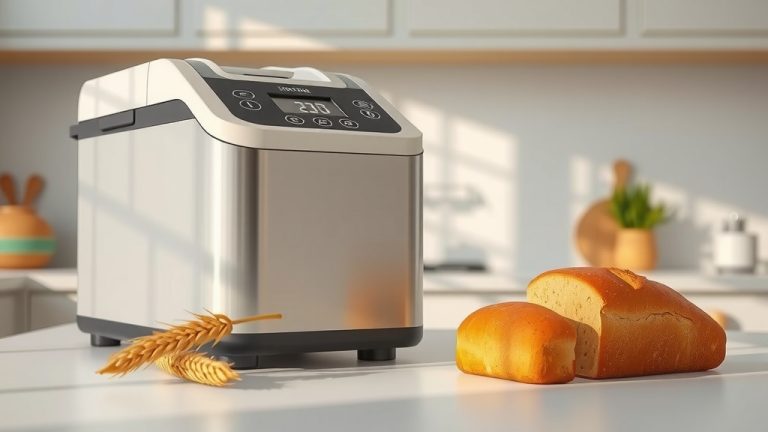
A good bread machine can cost anywhere from $70 to over $300, with most popular models falling between $100 and $200. The price depends on features like loaf size, programmability, and brand reputation.
When you’re looking for a bread machine, you’ll find options for every budget. We found that basic models are great for occasional bakers, while more expensive ones offer advanced settings and durability for frequent use. Think about how often you’ll bake and what special features you really need.
TL;DR:
- Expect to pay $70 – $300 for a bread machine.
- Most good models are between $100 – $200.
- Price varies by features and brand.
- Basic machines are budget-friendly.
- Advanced machines cost more but offer more options.
Ready to find the perfect bread machine for your kitchen? Let’s break down exactly what makes one machine cost more than another, and how to pick the best one for your needs.
Unpacking the Price Tag of a Good Bread Machine
You’re probably wondering what makes one bread machine cost more than another. We found that the price of a bread machine is largely driven by its features, materials, brand reputation, and how many fancy extras it offers. It’s like comparing a basic car to a luxury model – both get you to your destination, but one comes with a lot more comfort and technology.
Understanding Bread Machine Price Tiers
Bread machines generally fall into three main price categories. Knowing these can help you set your expectations and decide where your budget fits in. We often categorize them as entry-level, mid-range, and high-end.
Entry-Level Bread Machines (Under $100)
If you’re new to bread making or just want to try it out without a big commitment, entry-level machines are perfect. We found that these models typically offer the basic functions you need to make a delicious loaf. They’re straightforward and easy to use.
- They usually have 10-12 basic programs for white, whole wheat, and dough.
- Loaf sizes are often limited to one or two options, like 1.5 lb or 2 lb.
- Expect plastic exteriors and simpler controls.
- These machines are a great way to dip your toes into homemade bread.
Many people start here, and frankly, they produce great bread! You might not get all the bells and whistles, but you’ll get fresh, warm bread.
Mid-Range Bread Machines ($100 – $200)
This is where most people find their sweet spot. Mid-range machines balance cost and advanced features very well. They often come with improved durability and more baking options. This category is popular for a reason.
- You’ll see more pre-set programs, sometimes 15-20, including specialty breads like French or gluten-free. You can also learn how to make whole wheat bread in a bread machine, which often requires specific settings.
- Multiple loaf sizes are common, often with crust color settings.
- Better build quality, with some stainless steel accents.
- Features like delayed start timers and automatic fruit/nut dispensers become more standard.
We found that machines in this range offer the best value for most home bakers. They provide flexibility without breaking the bank. You’re getting a step up in convenience and versatility.
High-End Bread Machines (Over $200)
For the serious bread enthusiast or someone who bakes frequently, high-end models are the ultimate choice. These machines often boast premium materials, extensive programming, and exceptional performance. Think of them as the professional-grade option for your kitchen.
- They offer the widest range of programs, including custom settings.
- Superior non-stick bread pans and durable construction are standard.
- Often include features like dual paddles for better dough kneading, or even ingredient scales.
- Many have sleek designs and digital displays that look great on any counter.
While the initial cost is higher, the durability and advanced features can make these machines a worthwhile investment over time. They are designed for a long lifespan and consistent results, which is important if you bake several times a week.
Key Factors Influencing Bread Machine Costs
What exactly are you paying for when you choose a more expensive model? It boils down to several core elements. Understanding these helps you decide which features are essential for your baking habits and which you can live without.
Features and Programmability
More programs generally mean a higher price. Basic machines handle simple loaves, but advanced models can tackle a whole bakery of options. Do you want to make artisan bread, jam, or even yogurt? These options add to the cost.
- Number of Programs: From 10 basic settings to over 25 specialized ones.
- Customization Options: Ability to create your own cycles for kneading, rising, and baking.
- Automatic Dispensers: For adding nuts, fruits, or seeds at the perfect time.
- Delayed Start Timer: For waking up to fresh bread – a very popular feature!
We found that the most desirable features for many users include the gluten-free setting and the automatic ingredient dispenser. These add convenience and broaden your baking horizons.
Build Quality and Materials
The materials used in a bread machine significantly affect its price and durability. Cheaper machines often use more plastic, while pricier ones feature stainless steel and better internal components. This directly impacts how long the machine will last.
- Exterior Material: Plastic is cheaper; stainless steel costs more but is more durable.
- Kneading Paddle & Pan: Better non-stick coatings and stronger materials (often aluminum alloy) last longer.
- Motor Strength: A more powerful motor can handle denser doughs without straining, leading to a longer lifespan.
Investing in better materials often means your machine can withstand regular use for many years. It’s a trade-off between initial cost and long-term reliability.
Brand Reputation and Warranty
Well-known brands often come with a higher price tag, but for good reason. They typically have a history of reliability, good customer service, and more extensive warranties. This gives you peace of mind with your purchase.
- Established Brands: Zojirushi, Panasonic, Cuisinart, and Breville are examples of brands known for quality.
- Customer Support: Easier to get help if something goes wrong.
- Warranty Periods: Longer warranties protect your investment against defects.
We’ve observed that many consumers are willing to pay a bit more for a brand they trust. It’s often seen as an assurance of quality and support.
Loaf Size and Shape
Bread machines come in various capacities, from compact 1-pound models to larger 2.5-pound or even 3-pound machines. The larger the capacity, the more powerful the motor and larger the pan required, which can increase the cost.
- 1-pound: Ideal for single people or small families.
- 1.5-2 pound: The most common size, suitable for average families.
- 2.5-3 pound: Great for larger families or those who bake frequently.
Also, some premium machines offer a horizontal loaf pan, which bakes a more traditional rectangular loaf, unlike the typical vertical, taller loaves from many standard machines. This specific design feature can also influence the price.
When to Spend More and When to Save
Now that you know what drives the cost, how do you decide how much to spend? It really depends on your personal baking habits and needs. Let’s think about who benefits most from each price point.
Consider this checklist to help you decide:
- How often do you plan to bake bread? (Daily, weekly, or occasionally?)
- Do you need specialty programs like gluten-free or artisan dough?
- Is durability a top priority for you?
- Do you want automatic dispensers for add-ins?
- What loaf size best fits your household’s needs?
- How much counter space do you have available?
Here’s a quick overview of how different needs align with price points:
| Your Baking Need | Recommended Price Tier | Why This Tier? |
|---|---|---|
| Occasional baker, trying it out | Under $100 | Basic functions, low commitment, still makes good bread. |
| Weekly baker, variety of bread types | $100 – $200 | Good balance of features, durability, and value. |
| Frequent baker, specific dietary needs (e.g., gluten-free), custom recipes | Over $200 | Advanced features, superior build, precise control, long lifespan. |
If you’re only going to bake a few times a year, a basic model will serve you perfectly fine. Why spend extra on features you won’t use? However, if you plan to bake weekly and experiment with different recipes, a mid-range or high-end model will likely offer a much more satisfying experience.
Conclusion
Choosing a good bread machine doesn’t have to be complicated. We’ve seen that prices range widely, mainly depending on features, build quality, and brand reputation. Whether you’re an occasional baker or a daily bread enthusiast, there’s a machine out there for your budget and baking goals.
Think about how often you’ll bake and what features truly matter to you. Don’t overspend on functions you won’t use, but also consider investing a bit more for durability if you plan to bake frequently. Your perfect bread machine is waiting to help you enjoy fresh, homemade bread.
Frequently Asked Questions
Is it worth buying an expensive bread machine?
It depends on your baking habits. If you bake frequently, experiment with various recipes, or need specialized functions like gluten-free settings, a higher-priced machine offers better durability and more features. For occasional use, a mid-range or entry-level model is usually sufficient.
How much should a beginner spend on a bread machine?
For beginners, we found that models under $100 are an excellent starting point. They provide basic functions to get you comfortable with bread making without a significant financial commitment. You can always upgrade later if you discover a passion for it.
Do more expensive bread machines make better bread?
Not necessarily “better” tasting bread, as even basic machines can produce delicious results. However, more expensive models often offer a wider variety of settings for different bread types, more consistent results, and sometimes better crust texture due to superior heating elements or kneading paddles. They also tend to be more durable.
What’s the average lifespan of a bread machine?
The lifespan of a bread machine varies significantly by price point and brand. Entry-level models might last 2-3 years, while mid-range machines often last 3-5 years. High-end, well-built bread machines from reputable brands can last 7 years or even longer with proper care.
Can I make gluten-free bread in any bread machine?
While you can attempt gluten-free recipes in most machines, models with a dedicated gluten-free setting are best. This setting adjusts kneading and rise times specifically for gluten-free flours, leading to better texture and rise. Machines in the mid-range to high-end categories typically offer this feature.