What Is the Difference Between a Bread Machine and a Stand Mixer?
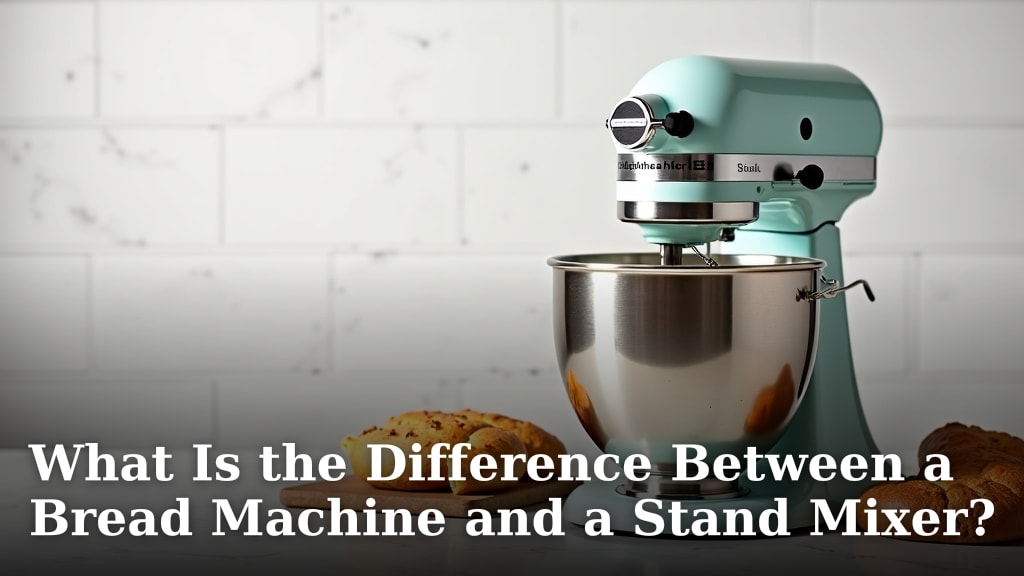
The main difference is that a bread machine automates the entire bread-making process, from mixing to baking. A stand mixer, however, is a versatile kitchen tool for mixing and kneading dough, but it doesn’t bake.
You might be wondering which one is right for your kitchen, right? We found that both appliances have their unique strengths and weaknesses. Your choice depends on your baking style and preferences.
- Bread machines handle everything for you.
- Stand mixers offer more control and versatility.
- Each has pros and cons for different bakers.
- Consider your space and how often you bake.
Let’s look closer at these kitchen helpers. We’ll help you decide which one will best fit your baking needs.
Exploring the Bread Machine vs. Stand Mixer Debate
The core difference is simple: a bread machine is an all-in-one bread maker, while a stand mixer is a versatile mixing tool. One bakes, the other doesn’t. Your choice really depends on your kitchen goals.
Bread Machine: The Automated Baker
Imagine setting it and forgetting it – that’s the magic of a bread machine. You add ingredients, push a button, and return later to a freshly baked loaf. It handles every step from mixing to baking with minimal effort from you. We found this “set it and forget it” feature is a big draw for many busy households.
How Does a Bread Machine Work?
A bread machine has a removable baking pan with a kneading paddle at the bottom. You add your wet and dry ingredients in a specific order, typically liquids first, then dry ingredients, and finally yeast on top. The machine then cycles through several stages.
- Mixing and Kneading: The paddle mixes the ingredients into a dough. It then kneads it for a set period, developing the gluten.
- Rising: The machine warms the dough to the ideal temperature for yeast activation, allowing it to rise. This often happens in multiple stages.
- Punch Down: After the first rise, some machines will gently punch down the dough to release gases, which helps with texture.
- Second Rise: The dough rises again, preparing it for baking.
- Baking: Finally, heating elements bake the bread right in the pan. You get a perfect loaf, usually rectangular or square.
The Advantages of Owning a Bread Machine
There are some clear benefits to having a bread machine, especially if you’re new to baking or short on time. Many bakers appreciate the hands-off approach it offers.
- Simplicity: It’s incredibly easy to use. No manual kneading, no transferring dough. Just add ingredients and press start.
- Time-Saving: You save a lot of active time. While the machine works, you can focus on other tasks. It’s great for busy weeknights.
- Consistency: Bread machines deliver consistent results. They control temperature and timing precisely, reducing guesswork.
- Fresh Bread Anytime: Imagine waking up to the smell of fresh bread! Many models have a delay timer, so you can program it to finish baking when you want.
- Variety of Loaves: Most machines offer settings for different types of bread: white, whole wheat, French, sweet bread, and even gluten-free options.
The Drawbacks of a Bread Machine
While convenient, bread machines do have a few limitations. You might find the results different from traditional oven-baked bread. Some people prefer the texture that comes from a conventional oven (Journal of Food Science and Technology).
- Loaf Shape: Bread machine loaves are typically tall and rectangular. This isn’t ideal if you want round artisan loaves or baguettes.
- Crust Quality: The crust can sometimes be softer and less crispy than oven-baked bread. This is due to the enclosed baking environment.
- Limited Versatility: Its primary function is bread. While some can make jam or dough, it’s not as versatile as a stand mixer for other baking tasks.
- Space: It’s a dedicated appliance that takes up counter space.
- Cost: A good bread machine can be an investment, similar to a quality stand mixer.
Stand Mixer: The Versatile Workhorse
Now, let’s talk about the stand mixer. Think of it as a super-strong, multi-tasking assistant in your kitchen. It’s renowned for its power and ability to handle various mixing tasks beyond just bread. We found it’s a favorite among bakers who love to experiment.
How Does a Stand Mixer Operate?
A stand mixer features a powerful motor, a stationary base, and a rotating bowl. You attach different mixing attachments to a rotating head. You control the speed, allowing for precise mixing.
- Mixing Ingredients: You add ingredients to the bowl, then lower the mixing head. The attachment spins, combining everything.
- Kneading Dough: With a dough hook attachment, the mixer can knead dough effectively. This saves your arms from a lot of work.
- Whipping and Beating: Using the whisk attachment, you can whip cream, egg whites, or make light batters. The paddle attachment is perfect for creaming butter and sugar or making cookie dough.
- Attachments: Many stand mixers offer optional attachments like pasta makers, meat grinders, or spiralizers, extending their functionality even further.
The Advantages of Using a Stand Mixer
The versatility of a stand mixer is its biggest selling point. If you bake more than just bread, this appliance shines. Many home chefs consider it an indispensable tool for a wide range of culinary creations.
- Unmatched Versatility: This is where it truly excels. You can make cakes, cookies, meringues, mashed potatoes, and more. It’s not just for bread.
- Superior Dough Quality: For serious bread bakers, a stand mixer with a dough hook often produces a higher quality, more elastic dough than a bread machine. This leads to better bread texture and rise.
- Control: You have complete control over the mixing process. You can adjust speeds, add ingredients gradually, and monitor the dough’s consistency.
- Baking Options: After kneading, you can shape your dough into any form you desire – baguettes, rolls, pizzas, artisanal loaves – and bake them in a conventional oven. This allows for a superior crust and crumb.
- Durability: Quality stand mixers are built to last for many years, often seen as a significant investment that pays off over time.
The Downsides of a Stand Mixer
While powerful, a stand mixer isn’t a magical all-in-one solution. There are some aspects to consider that might make it less appealing for certain bakers.
- No Baking Function: This is the most obvious limitation. A stand mixer will mix and knead your dough, but you still need an oven to bake the bread.
- Active Involvement: Unlike a bread machine, you need to be actively involved in the process. You’ll need to monitor the mixing, transfer the dough, and handle the rising and baking stages.
- Learning Curve: There’s a bit more of a learning curve to get perfect bread results. You need to understand dough consistency and proofing times.
- Cost: High-quality stand mixers can be quite expensive, sometimes more so than bread machines.
- Cleaning: While the bowls are often dishwasher safe, the attachments and main unit still require cleaning.
Key Differences: A Quick Comparison
To help you see the distinctions at a glance, we’ve put together a quick comparison. This should make your decision a little easier.
| Feature | Bread Machine | Stand Mixer |
|---|---|---|
| Primary Function | Automated Bread Baking | Versatile Mixing/Kneading |
| Bakes Bread? | Yes (Self-contained) | No (Requires Oven) |
| Effort Level | Minimal (Set & Forget) | Moderate (Active Involvement) |
| Versatility | Limited (Mainly Bread/Dough) | High (Cakes, Cookies, Pasta, etc.) |
| Loaf Shape | Rectangular/Square | Any Shape (User-defined) |
| Crust Quality | Softer, Less Crispy | Crispier, More Traditional |
| Space Required | Dedicated Appliance | Dedicated Appliance |
Choosing Your Kitchen Companion: What to Consider
So, which one is right for your kitchen? It really comes down to your personal baking habits and what you value most. We recommend asking yourself a few questions before making a choice.
Consider these points:
- How often do you bake bread? If it’s a daily ritual for fresh toast, a bread machine might be perfect. If it’s an occasional weekend project, a stand mixer offers more range.
- What else do you like to bake? If you’re into cookies, cakes, and pastries, a stand mixer is your best friend. A bread machine won’t help with those.
- How much time do you have? If you want truly hands-off baking, the bread machine excels. If you enjoy the process and have time for shaping and oven-baking, the stand mixer offers that experience.
- What kind of bread do you prefer? If you love rustic, artisan loaves with a chewy crust, a stand mixer and oven combo is usually superior. If you’re happy with a classic sandwich loaf, a bread machine delivers consistently.
- Are you willing to learn more about baking? A stand mixer opens doors to more advanced techniques. A bread machine simplifies the basics.
Conclusion
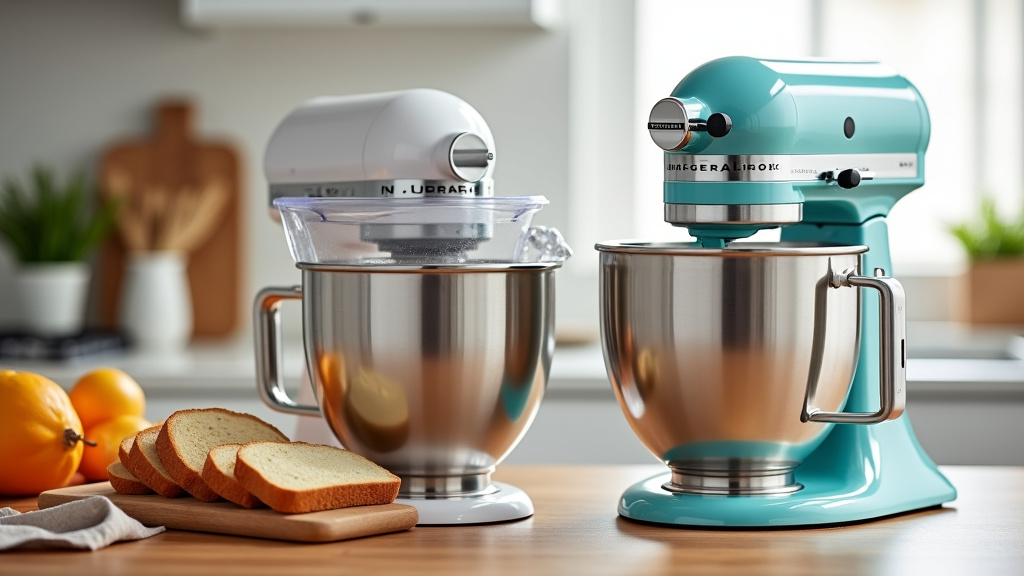
Choosing between a bread machine and a stand mixer really boils down to your baking goals. If you value ultimate convenience and hands-off bread making, a bread machine is your ideal kitchen helper. However, if you crave versatility, control, and the ability to bake more than just bread, then a stand mixer is the better fit. Consider your lifestyle and baking aspirations. We found that either choice will significantly enhance your home baking experience, helping you create delicious treats for years to come.
Frequently Asked Questions
Can a bread machine make dough for pizza or rolls?
Yes, most bread machines have a “dough” cycle. This mixes and kneads the dough but stops before baking. You can then remove the dough, shape it as desired for pizza, rolls, or even bagels, and bake it in your conventional oven.
Is it harder to clean a stand mixer or a bread machine?
Cleaning depends on the model. Bread machine pans often have a non-stick coating and are fairly easy to wipe clean. Stand mixers have a bowl and attachments that usually go in the dishwasher, but the main unit needs to be wiped down.
Do bread machines use a lot of electricity?
Bread machines are generally energy-efficient for their purpose. They use power in cycles for mixing, heating, and baking. While they might run for a few hours, the total energy consumption for one loaf is typically less than running a full-sized oven for a similar period.
Can I make gluten-free bread in both appliances?
Absolutely. Both bread machines and stand mixers can be used for gluten-free bread. Bread machines often have a dedicated gluten-free cycle for specific timing and heating. With a stand mixer, you’ll simply follow a gluten-free bread recipe designed for oven baking. For those specifically looking to bake gluten-free, our guide to the best bread maker for gluten-free bread offers expert recommendations.
Which appliance is better for a small kitchen?
Both appliances take up counter space. A bread machine is a single-purpose unit. A stand mixer, while also needing space, often replaces several hand-mixing tasks, potentially saving space from other gadgets. Your baking habits will determine which is a better use of limited space.