
What Is Vital Wheat Gluten Used For?
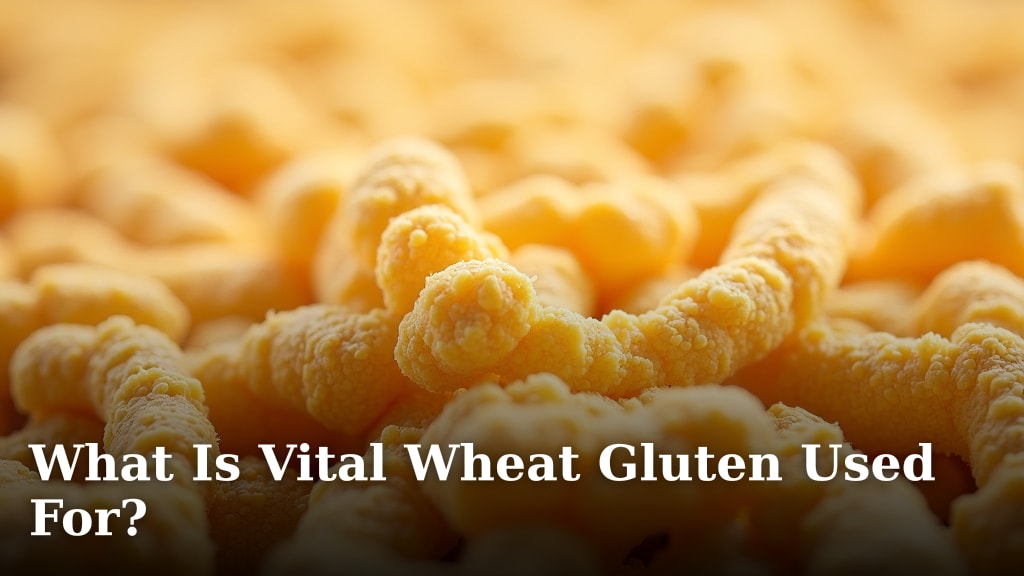
Vital wheat gluten is a dry powder made from wheat. It’s used to boost the protein in dough. This makes bread and other baked goods chewier and gives them a better rise. Think of it as a secret weapon for baking amazing loaves. It’s also the main ingredient in making meat substitutes like seitan.
You might be wondering what makes vital wheat gluten so special. It’s all about its high protein content. This protein is what gives structure to baked goods. It traps gasses from yeast, helping your bread puff up. Many home bakers and commercial kitchens rely on it for a satisfying texture in their creations. It truly transforms simple flour into something more.
- Vital wheat gluten is a powdered form of wheat protein.
- It’s primarily used to improve the texture and structure of baked goods.
- It’s the key ingredient for making seitan, a popular plant-based meat alternative.
- Adding it to dough helps bread rise better and results in a chewier crumb.
We’ve gathered all the key information you need to understand this versatile ingredient. Let’s dive into what vital wheat gluten is all about and how you can use it in your kitchen!
How Is Vital Wheat Gluten Used in Cooking and Baking?
Vital wheat gluten is a fantastic ingredient. It’s essentially the main protein found in wheat. When you wash away the starch from wheat flour, you’re left with this sticky, elastic substance. When dried and powdered, it becomes the versatile vital wheat gluten we find in stores. Its primary magic lies in its ability to create a strong, chewy texture. This makes it a go-to for bakers and plant-based cooks alike.
Boosting Baked Goods: The Baker’s Best Friend
Are you looking to make your homemade bread have that perfect bakery-quality chew? Vital wheat gluten can help. It acts like a protein booster for your dough. This extra protein creates a more robust gluten network. This network traps the gases produced by yeast. What does that mean for your loaf? A better rise and a chewier texture.
Understanding the Science Behind the Rise
When you mix flour with water, gluten proteins start to form. Vital wheat gluten is already concentrated gluten. Adding it to your regular flour recipe significantly increases the overall gluten content. This strong gluten network is elastic. It can stretch and expand to hold the carbon dioxide gas that yeast releases during fermentation.
Think of it like adding extra scaffolding to a building. The more scaffolding, the stronger the structure can become. This helps your bread dough rise higher and hold its shape better during baking. You’ll notice a real difference in the crumb structure.
Achieving That Desired Chewy Texture
Many people love a good chewy bite in their bread. This is where vital wheat gluten truly shines. The strong gluten strands create that satisfying resistance when you bite into it. It prevents your bread from becoming too soft or crumbly.
You’ll find it particularly useful in recipes like:
- Artisan bread loaves
- Bagels
- Pizza crusts
- Sandwich bread
Even a small amount can make a big difference. You typically only need to add a tablespoon or two per cup of flour. Too much can make your bread tough, so it’s about finding that sweet spot. You can also add vital wheat gluten to boost the protein content of your all-purpose flour.
Tips for Using Vital Wheat Gluten in Baking
When you’re adding vital wheat gluten to your baking, it’s best to mix it with your dry ingredients first. This ensures it’s evenly distributed throughout the flour. Then, proceed with your recipe as usual. It will absorb water just like flour, but it will also contribute significantly to the dough’s elasticity.
Some bakers like to experiment. They might try adding it to muffins or cakes. While it can add chewiness, it’s not always desirable in those types of baked goods. It’s most commonly used when a chewy, structured crumb is the goal.
Crafting Meat Alternatives: The Heart of Seitan
Beyond bread, vital wheat gluten is the star ingredient for making seitan. Seitan is a plant-based protein source. It’s often called “wheat meat” because of its remarkably meaty texture. If you’re exploring vegetarian or vegan diets, or just looking to reduce your meat consumption, seitan is a fantastic option.
What Exactly Is Seitan?
Seitan is made by combining vital wheat gluten with water and seasonings. When cooked, it develops a dense, chewy texture. This texture is very similar to traditional meat. It can be seasoned in countless ways. You can make it taste like chicken, beef, or pork depending on your spices and cooking method.
Many plant-based recipes rely on seitan for protein. It’s a satisfying substitute in dishes where you’d normally use meat. Think of stir-fries, stews, sandwiches, or even “ribs.”
How Vital Wheat Gluten Creates the “Meat” Texture
The magic happens when vital wheat gluten meets liquid. It forms a dough. When this dough is kneaded and then simmered or baked, the gluten proteins align and strengthen. This process creates those characteristic tough, chewy strands. It mimics the muscle fibers found in animal meat.
The process of making seitan is quite straightforward. You’ll typically mix the vital wheat gluten with broth, soy sauce, nutritional yeast, and spices. Then you form it into a shape, simmer it, and it’s ready to be used in recipes. The simmering in broth infuses it with flavor and helps it firm up. It’s a truly adaptable ingredient.
Seasoning Seitan for Maximum Flavor
The vital wheat gluten itself has a very mild flavor. This is great news for cooks! It means you can season it however you like. Many recipes call for:
- Garlic powder and onion powder
- Smoked paprika
- Herbs like rosemary or thyme
- Umami-rich ingredients like soy sauce or mushroom powder
Experimentation is key here. You can create seitan that’s savory, spicy, or even slightly sweet. Think about the final dish you want to make. What flavors would complement it best? Consider the cuisine you’re aiming for, too.

Other Creative Uses for Vital Wheat Gluten
While baking bread and making seitan are the most popular uses, vital wheat gluten has other applications too. Its ability to bind and thicken is useful in various culinary contexts.
Thickening Soups and Gravies
Vital wheat gluten can act as a thickening agent. If you’re making a hearty soup or a rich gravy, a small amount can help achieve a thicker consistency. It’s a good option if you’re avoiding traditional thickeners like cornstarch or flour. Just be sure to whisk it in thoroughly to avoid clumps.
Improving Texture in Other Products
Some food manufacturers use vital wheat gluten. They add it to processed foods to improve texture. This might include things like veggie burgers or other meat substitutes. It helps them achieve a firmer, more satisfying bite.
A Quick Guide to Using Vital Wheat Gluten
Ready to give it a try? Here’s a simple checklist to get you started:
- Know your ratios: For bread, start with 1-2 tablespoons per cup of flour.
- Mix well: Always combine with dry ingredients first.
- Don’t overdo it: Too much can make baked goods tough.
- For seitan: Follow a recipe closely for texture.
- Season creatively: Especially important for seitan.
- Store properly: Keep in an airtight container in a cool, dry place.
Vital wheat gluten is a powerful ingredient. It can transform your baking and open up new possibilities for plant-based cooking. Its ability to create chewiness and structure is truly unique. We hope this guide helps you feel more confident using it in your kitchen!
Conclusion
You’ve now seen how vital wheat gluten is a true kitchen multi-tasker. It’s your secret weapon for achieving that perfect chewy texture in homemade bread and bagels. For those exploring plant-based diets, it’s the essential ingredient for creating satisfyingly meaty seitan. From boosting baked goods to crafting delicious meat alternatives, vital wheat gluten offers incredible versatility. We encourage you to grab a bag on your next grocery trip and experiment. You might just discover your new favorite baking or cooking trick!
Frequently Asked Questions
Can I substitute vital wheat gluten for regular flour in any recipe?
No, you cannot directly substitute vital wheat gluten for regular flour. It’s a protein concentrate and has a very different effect on dough structure. Using too much vital wheat gluten in recipes not designed for it can make your baked goods tough and dense.
Where can I buy vital wheat gluten?
You can find vital wheat gluten in most large supermarkets, often in the baking aisle near other flours and specialty baking ingredients. Health food stores and online retailers are also excellent places to purchase it.
How much vital wheat gluten should I use in bread recipes?
For most bread recipes, you’ll want to start with a small amount, typically 1 to 2 tablespoons per cup of regular flour. This small addition can significantly improve the chewiness and rise of your bread. Always follow recipe recommendations for best results.
Is vital wheat gluten gluten-free?
Absolutely not. Vital wheat gluten is made from wheat and is very high in gluten protein. It is not suitable for individuals with celiac disease, gluten sensitivity, or wheat allergies.
How long does vital wheat gluten last?
When stored properly in an airtight container in a cool, dry place, vital wheat gluten can last for a long time, often up to a year or even longer. Check the best-by date on the package for guidance.
