
What Is a Bread Proofing Basket?
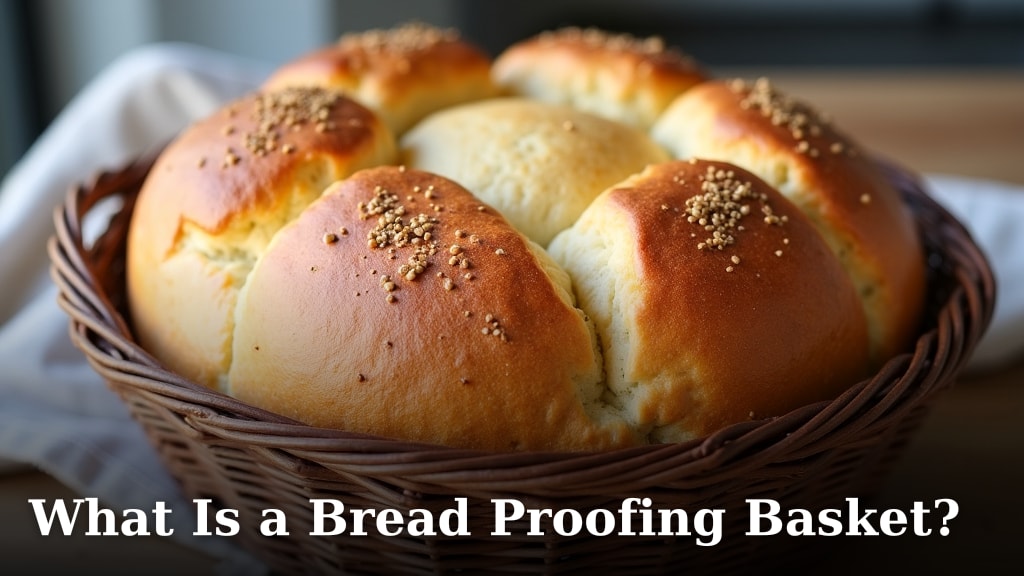
A bread proofing basket, also called a banneton, is a bowl-shaped tool that helps your bread dough hold its shape while rising. It’s typically made of rattan or wicker. This basket creates a controlled environment for the final proof, resulting in a more structured loaf with a beautiful crust.
You might be wondering if you really need one for your homemade bread. Many home bakers find that using a proofing basket makes a big difference. It encourages a strong oven spring and a classic, round shape for your dough. Plus, it helps develop a lovely, crisp crust texture.
- A bread proofing basket (banneton) is a bowl for dough rising.
- It helps dough keep its shape and get a nice crust.
- Baskets are usually made from rattan or wicker.
- They create a good environment for the final rise.
- They lead to better oven spring and shape for your bread.
Ready to see how these baskets work their magic? Let’s dive into what makes them so handy for bakers just like you.
“`htmlUnderstanding Your Bread Proofing Basket
So, what exactly is this bread proofing basket we keep talking about? Think of it as a special bowl that gives your dough a comfy spot for its final nap before baking. It’s often called a banneton by bakers. Its main job is to support your dough as it puffs up, helping it keep a lovely, rounded shape.
What is a Banneton Made Of?
You’ll usually find these baskets made from natural materials. The most common are rattan or wicker. Sometimes, you might see them made from cane or even molded wood pulp. These materials are great because they’re breathable. This breathability helps the dough develop a nice, dry skin on top.
The Shape and Structure of a Proofing Basket
Most proofing baskets have a round or oval shape. This helps create that classic, domed loaf we all love. Inside, they often have a criss-cross pattern from the weaving. This pattern leaves a beautiful, decorative imprint on your dough. It’s like a signature for your homemade bread! Some baskets might have a slightly sloped side, while others are more upright.
Why Use a Proofing Basket for Dough?
The main goal is to help your dough hold its shape during the final rise, also known as proofing. When dough rises, it expands. Without support, it can spread out too much and become flat. The basket provides that necessary structure. It guides the dough upwards, leading to a taller, more aesthetically pleasing loaf. It also helps create a strong oven spring.
What is Oven Spring?
Oven spring is that burst of upward expansion your bread dough experiences when it hits the hot oven. A well-proofed dough in a supportive basket will spring up beautifully. This gives you that light, airy crumb structure inside your bread. A good oven spring means your loaf won’t be dense or squat. It’s a sign of a well-made loaf!
How Does a Proofing Basket Help Develop Crust?
As your dough rests in the basket, especially if it’s made from rattan, it helps create a slightly drier surface on the dough. This drier surface is key for developing a wonderfully crisp crust when baked. Without this slight drying, the dough can become too sticky. This can hinder the crust formation and make scoring (cutting lines on the dough) more difficult.
Baskets vs. Other Rising Methods
You might be thinking, “Can’t I just let my dough rise in a regular bowl?” You certainly can! Many home bakers start by letting their dough rise in a lightly oiled bowl or a proofing box. However, a proofing basket offers specific advantages. A regular bowl might not provide the same level of support. Also, the materials of a banneton are designed to help manage moisture. This aids in both shape retention and crust development. We found that using a basket often leads to a more consistent result.
Using a Bowl with a Flour-Dusted Cloth
A common alternative is to use a mixing bowl lined with a clean kitchen towel. You’d then generously dust the towel with flour, usually rice flour or a mix of rice and all-purpose flour. This method works quite well. The flour prevents sticking, and the towel can help absorb a bit of moisture. However, the woven pattern of a banneton can provide better structural support. It also imparts that lovely patterned effect.
The Importance of Dough Hydration
The type of dough you’re making plays a role. High-hydration doughs (those with a lot of water) are stickier and more prone to spreading. These doughs often benefit the most from the structured support of a proofing basket. Lower-hydration doughs are generally easier to handle. They might not require a basket as strictly, but it can still help achieve a beautiful shape.
Choosing the Right Proofing Basket for You
When you’re ready to pick out a basket, consider a few things. Size is important. Most standard loaves fit well in 8-inch or 9-inch round baskets. If you bake larger loaves, you might need a bigger one. Oval baskets are great for long loaves. The depth of the basket also matters for the height of your final loaf.
Round vs. Oval Baskets
Round baskets are perfect for boules, which are round loaves. They give you that classic, dome-like shape. Oval baskets are ideal for batards, which are more elongated loaves. If you bake both types of bread, you might want to have one of each. Or, you can use a round basket for a slightly more rustic oval shape by not filling it completely.
Basket Materials: Rattan vs. Other Options
Rattan is a popular choice because it’s sturdy and provides excellent support. It also has a slightly porous surface that helps wick away moisture. Some baskets are made from cane, which is similar. Molded wood pulp baskets are another option. They tend to be less expensive. They can be a good starting point. However, many experienced bakers prefer the feel and performance of rattan.
How to Prepare and Use Your Proofing Basket
Getting your basket ready is simple. The most important step is to flour it generously. You can use all-purpose flour, but many bakers prefer rice flour or a mix of rice flour and all-purpose flour. Rice flour is less likely to be absorbed into the dough, preventing sticking. After flouring, gently place your shaped dough into the basket, seam-side up. Cover it loosely with plastic wrap or a damp cloth. Let it proof according to your recipe’s instructions.
The First Use and Beyond
When you first get a new basket, it’s a good idea to give it a good dusting of flour. This helps create a non-stick surface. Over time, with use and proper care, your basket will develop a natural coating of flour and oil from the dough. This makes it even more non-stick. You don’t typically need to wash your banneton with soap and water. After use, just shake out any excess flour and dough bits. Let it air dry completely before storing it.
Maintaining Your Banneton for Longevity
Proper care ensures your proofing basket lasts for years. After each use, bang the basket gently on your counter to release loose dough. Then, use a soft brush to sweep away any remaining flour or dough. Allow the basket to air dry thoroughly. Store it in a dry place. Avoid getting it wet, as this can cause mold or damage the material. Some bakers wrap their baskets in a plastic bag for storage. This helps protect them from dust and moisture.
Cleaning Tips for Stains or Smells
If you encounter stubborn dough residue or a faint smell, you can try a few gentle cleaning methods. Lightly dampen a clean cloth with water and wipe the affected area. Make sure to dry it thoroughly afterward. For tougher spots, you can use a soft brush. For really sticky residue, you might gently scrape it off with a dull knife or spatula. The key is to avoid soaking the basket or using harsh cleaning agents. Many sources recommend just brushing it clean (NCBI).
Checklist: Is a Proofing Basket Right for You?
- Do you want your homemade bread to have a better shape?
- Are you looking for a crisper crust on your loaves?
- Do you bake often and want more consistent results?
- Do you find your dough spreading too much during the final rise?
- Are you interested in the beautiful patterns a banneton can create?
- Do you enjoy trying new techniques to improve your baking?
If you answered yes to a few of these, a proofing basket might be a fantastic addition to your baking toolkit. It’s a simple tool that can make a noticeable difference in your bread-making journey. Happy baking!
“`
Conclusion
You’ve learned that a bread proofing basket, or banneton, is more than just a bowl. It’s a baker’s ally for achieving that perfect loaf shape and a beautifully crisp crust. By providing support during the final rise, it helps your dough achieve better oven spring. Whether you bake often or are looking to improve your results, a banneton can genuinely enhance your homemade bread. Ready to try one? Consider starting with a basic rattan basket in a common size to see the difference it makes in your next bake!
Frequently Asked Questions
Can I use a regular bowl instead of a proofing basket?
Yes, you can definitely use a regular bowl! Many bakers successfully use a bowl lined with a floured cloth. However, a proofing basket offers better structural support and can create a more defined pattern on your bread’s crust.
How do I clean my proofing basket?
Cleaning is simple. After use, shake out loose flour and dough. Let the basket air dry completely. Avoid using soap and water, as this can damage the natural materials. A soft brush can help remove stubborn bits.
What kind of flour should I use to dust my proofing basket?
Rice flour is highly recommended because it doesn’t absorb into the dough as easily, preventing sticking. A mix of rice flour and all-purpose flour also works well for many bakers.
Will a proofing basket help my bread rise higher?
A proofing basket helps your dough maintain an upward shape during its final rise, rather than spreading out. This support contributes to better oven spring, which can make your loaf appear taller and more voluminous.
How often should I replace my proofing basket?
With proper care, a quality proofing basket can last for many years. Avoid getting it wet, and always ensure it’s completely dry before storing. Regular cleaning by brushing will maintain its condition.
