
Can You Sell Bread Made in a Bread Machine?
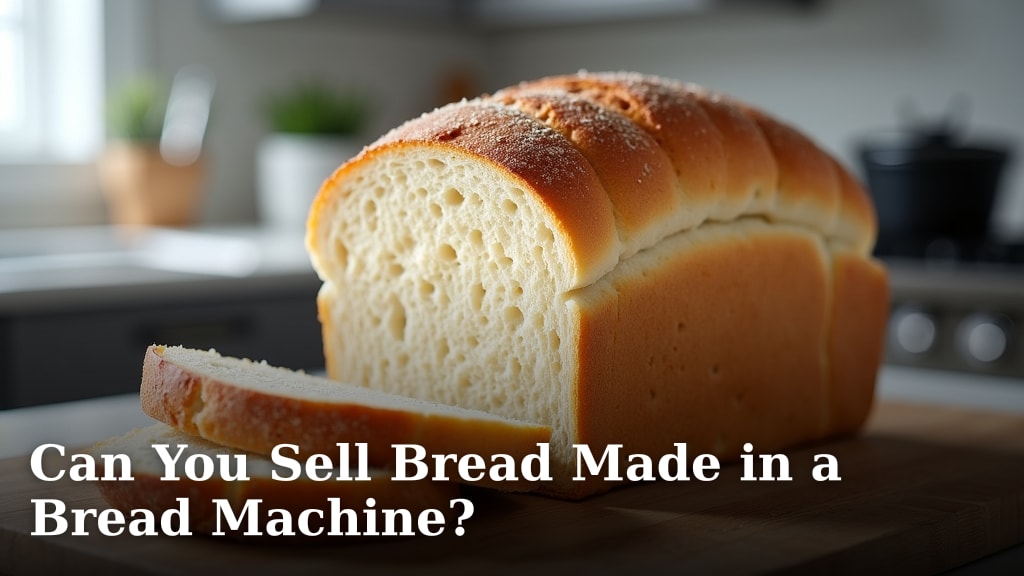
Yes, you absolutely can sell bread made in a bread machine! Many people successfully sell delicious homemade bread baked in their machines. You just need to be aware of a few legal and quality considerations to ensure your business is a hit.
Selling baked goods from home is a popular way to earn extra money. Your bread machine can be a fantastic tool for consistent, high-quality loaves. We found that understanding local regulations and focusing on delicious flavor are key to your success.
- Yes, selling bread from your bread machine is possible.
- Focus on quality ingredients and consistent baking.
- Check your local laws for food business permits.
- Pricing your bread right is important.
- Consider your packaging and presentation.
Below, we’ll walk you through everything you need to know about turning your bread machine creations into a small business. Let’s get your delicious bread out into the world!
Turning Your Bread Machine Baking into a Business
Can you sell bread made in your bread machine? The answer is a resounding yes! Many home bakers have turned their passion for fresh, homemade bread into profitable ventures. Your trusty bread machine can be a fantastic tool for consistent, delicious loaves. We’ve found that understanding a few key areas will set you up for success. Let’s get started on making your bread machine creations a business!
Understanding Cottage Food Laws and Regulations
Before you sell a single loaf, you need to understand your local laws. These are often called “cottage food laws.” They dictate what you can sell from your home kitchen and where you can sell it. These laws are designed to protect consumers while making it easier for small businesses to start.
What Are Cottage Food Laws?
Cottage food laws are state-specific. They allow individuals to bake and sell certain low-risk foods made in their home kitchens. The primary goal is to enable small entrepreneurs. These laws aim to ensure food safety without the high cost of a commercial kitchen.
Key Restrictions to Watch For
We found that most cottage food laws have common restrictions. These often include:
- Types of Food Allowed: Baked goods like bread are usually permitted. However, items needing refrigeration or specialized handling might not be.
- Sales Limits: Many states have an annual income cap for cottage food businesses. You might need a commercial license if you exceed this.
- Sales Locations: Some laws restrict sales to direct-to-consumer channels. This could mean farmers’ markets or direct sales from your home. Selling to restaurants or grocery stores might be prohibited.
- Labeling Requirements: You’ll likely need to label your products. This typically includes an ingredient list and a statement like “Made in a home kitchen.”
Finding Your Local Regulations
Your first step is to find out your state’s specific cottage food laws. A quick search online for “[Your State] cottage food law” is a good start. You can also check with your local health department or department of agriculture. They are the official sources for this information. We found that many states have clear guidelines available on their government websites.
Registration and Permits
Depending on your state, you might need to register your business. Some places require a small permit fee. You may also need to complete a food handler’s safety course. This is a common requirement. It shows you understand basic food safety practices, which is important for your customers’ trust.
Ensuring Quality and Consistency
Your bread machine is great for consistency. However, to sell your bread, you need to go the extra mile. Customers will expect delicious, high-quality bread every time. Your bread machine is great for consistency, but to sell your bread, you need to go the extra mile for a perfect loaf.
Choosing the Right Ingredients
Start with high-quality ingredients. Fresh flour, good yeast, and pure water make a difference. Using real butter instead of margarine can improve flavor. For specialty breads, sourcing excellent additions like fine chocolate chips or organic nuts matters. Your customers will taste the difference.
Mastering Your Bread Machine Settings
Bread machines have different cycles and settings. Understand how yours works for various types of dough. Practice with different recipes and settings to find what produces the best results. You want a crust that is perfectly browned and a crumb that is light and airy. Consistency is key here. You want your sourdough to taste the same every time.
Beyond the Machine: Finishing Touches
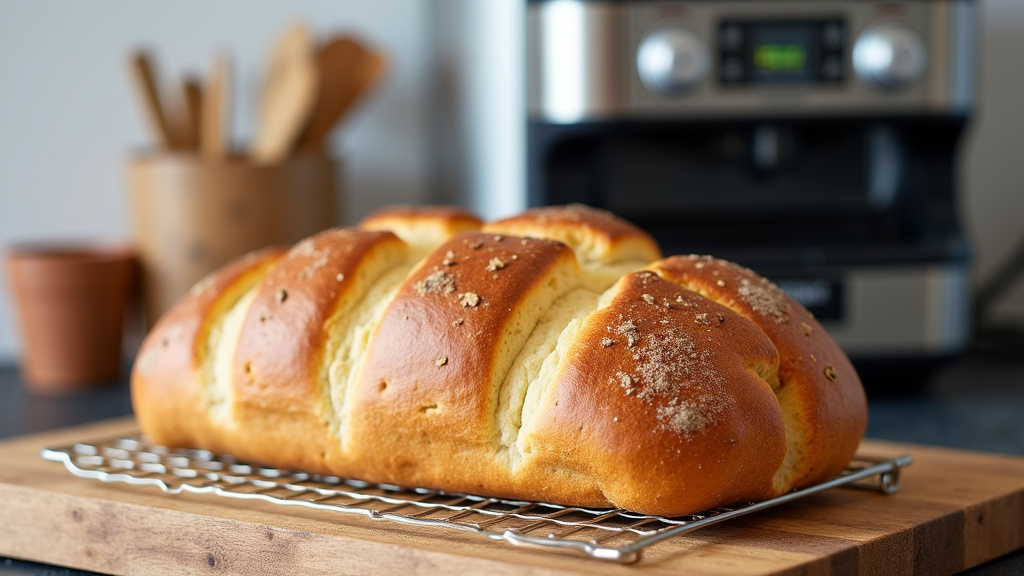
Some bread machine loaves can be a bit pale or uniformly shaped. Consider finishing touches. You can brush loaves with an egg wash for a golden crust. Sprinkle seeds on top before baking. Baking the dough in a conventional oven for the last 10-15 minutes can create a crispier crust. This step is optional but can really elevate your bread’s appeal.
Developing Your Product Line
What kind of bread will you sell? Start simple and expand as you gain confidence.
Popular Bread Machine Recipes
Basic white and whole wheat loaves are always popular. Consider adding:
- Sourdough: This is a highly sought-after bread. It requires a starter, but many bread machines can handle the kneading and rising.
- Multigrain: Offer a healthy option with various seeds and grains.
- Sweet Breads: Think cinnamon raisin or challah. These can command a higher price.
- Herbed or Cheesy Breads: These are great for savory options.
Testing and Feedback
Before you start selling, get honest feedback. Bake for friends and family. Ask them about the taste, texture, and appearance. Their honest opinions are invaluable. We found that this early feedback helps you refine your recipes and identify potential issues.
Pricing Your Homemade Bread
Pricing your bread correctly is essential for profitability. Don’t just guess.
Calculating Your Costs
List all your costs. This includes ingredients, electricity, packaging, and any market fees.
| Cost Item | Estimated Cost Per Loaf |
|---|---|
| Flour | $0.50 |
| Yeast, Salt, Sugar | $0.20 |
| Butter/Oil | $0.30 |
| Add-ins (Seeds, Raisins, etc.) | $0.40 |
| Electricity | $0.10 |
| Packaging | $0.50 |
| Total Direct Costs | $2.00 |
This table shows estimated direct costs. Your actual costs will vary.
Researching Competitor Prices
See what similar homemade or bakery breads sell for in your area. Visit farmers’ markets. Check local bakeries. You want to be competitive but also reflect the quality of your product.
Setting Your Profit Margin
After covering your costs, you need to make a profit. A common markup is 2-3 times your cost. So, if your costs are $2.00 per loaf, you might aim to sell it for $4.00 to $6.00. This accounts for your time and effort too.
Packaging and Presentation
How your bread looks matters. Good packaging protects your product and makes it appealing.
Choosing the Right Packaging Materials
You’ll need bags that keep your bread fresh. Paper bags are classic for crusty loaves. Cellophane bags work well for softer breads. For specialty loaves, consider boxes or twine. Ensure your packaging meets any labeling requirements from your cottage food laws.
Creating an Attractive Look
A simple ribbon or a well-designed label can make a big difference. Think about your brand. What feeling do you want to evoke? Is it rustic, elegant, or wholesome? This can guide your packaging choices. A beautiful loaf presented well sells itself.
Selling Your Bread: Where to Start
Now for the fun part: selling! Where can you sell your delicious creations?
Farmers’ Markets and Local Events
These are fantastic places for cottage food businesses. You get direct customer interaction. You can offer samples. It’s a great way to build a local following.
Online Orders and Local Delivery
Consider setting up a simple website or social media page. You can take orders online. Offer local pickup or delivery. Be clear about your delivery zones and any fees.
Community Supported Agriculture (CSA) Shares
Some CSAs are expanding to include baked goods. You could partner with a local farm. Offer a bread add-on to their vegetable shares. This provides a consistent customer base.
A Quick Checklist for Selling Your Bread Machine Bread
Before you officially launch, run through this checklist:
- Checked your state’s cottage food laws thoroughly?
- Registered your business if required?
- Tested recipes for taste and consistency?
- Calculated your costs and set fair prices?
- Sourced appropriate packaging materials?
- Planned where and how you will sell?
Conclusion
You’ve got the green light to sell bread made in your bread machine! We’ve seen that success hinges on understanding your local cottage food laws and consistently producing delicious, high-quality loaves. By focusing on great ingredients, perfecting your machine’s settings, and considering your pricing and packaging, you’re well on your way. Take that first step: research your state’s specific regulations and get ready to share your amazing bread with your community.
Frequently Asked Questions
Do I need a special license to sell bread from home?
You likely don’t need a commercial kitchen license if you’re selling under your state’s cottage food laws. These laws often allow home-based businesses. However, you might need to register your business and potentially get a small permit. Always check your state’s specific requirements.
Can I sell bread made in my bread machine to local restaurants?
Generally, cottage food laws restrict sales to direct-to-consumer channels. This means farmers’ markets, direct sales, or online orders for local pickup or delivery. Selling to restaurants or wholesale is usually not permitted under these laws.
What’s the best way to package bread machine bread for sale?
Choose packaging that keeps your bread fresh and looks appealing. For crusty loaves, classic paper bags work well. Softer breads might do better in cellophane bags. Ensure your packaging complies with any labeling rules from your cottage food laws.
How do I price my bread machine loaves competitively?
Calculate your total costs, including ingredients, electricity, and packaging. Then, research what similar homemade or bakery breads sell for in your area. Aim for a price that covers your costs and provides a fair profit margin for your time and effort.
Are bread machine loaves good enough for selling?
Yes, bread machine loaves can absolutely be delicious enough for selling! While the machine ensures consistency, you can enhance them with quality ingredients and finishing touches like an egg wash or a crispier crust. Customers will appreciate the convenience and homemade taste.
