
Why Does My Bread Machine Display an Error Code?
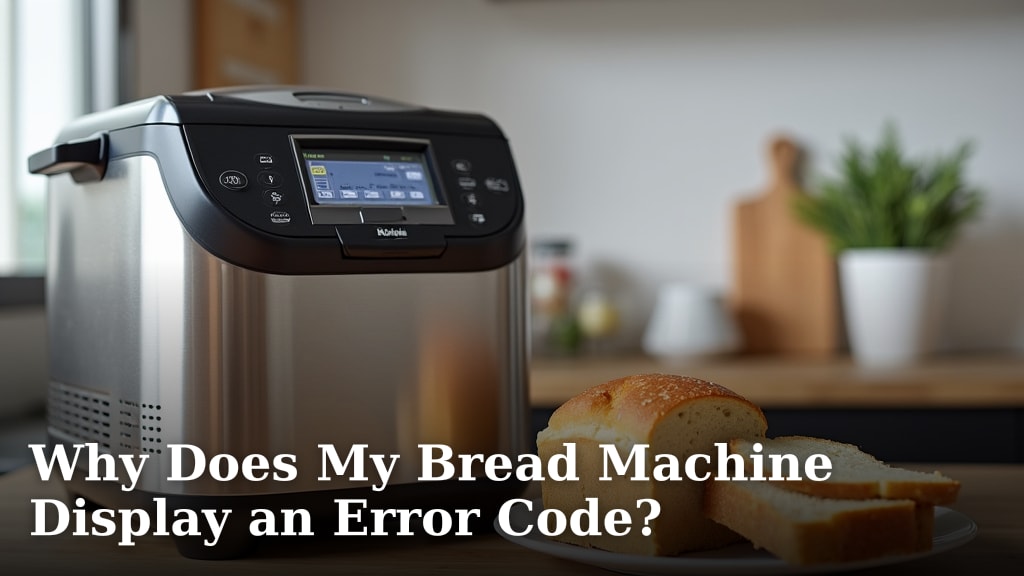
Your bread machine displaying an error code usually means there’s a simple fix needed. Most bread makers show codes to alert you to a problem with ingredients, temperature, or a mechanical issue. The good news is that these error codes are often easy to resolve yourself.
When your machine stops mid-cycle, it’s frustrating. You might be dreaming of warm, crusty bread. Understanding the common error codes helps you quickly get back to baking. We found that many issues relate to improper ingredient measurements or placing the machine in the wrong environment.
- Error codes signal a problem.
- Fixes are often simple.
- Check ingredients and placement first.
- Consult your manual for specific codes.
Let’s walk through what those blinking lights might mean and how to get your bread maker humming again.
Troubleshooting Your Bread Machine’s Error Codes
When your bread machine flashes an error code, it’s like a little red flag waving at you. Don’t panic! Most of these codes are designed to be straightforward warnings. They point you toward a specific problem so you can fix it. We found that understanding these codes can save you a lot of frustration and get you back to enjoying fresh bread.
Think of your bread machine like a tiny, automated bakery. It has specific needs to work correctly. When something isn’t quite right, it lets you know. Your user manual is your best friend here. It will have a specific list of what each code means for your particular model.
Common Reasons for Bread Machine Error Codes
Let’s dive into the most frequent culprits behind those blinking error lights. Many issues are surprisingly simple to resolve with a little attention to detail. We researched common problems and found that ingredient preparation and machine placement are often the starting points for troubleshooting.
Ingredient Mishaps: The Usual Suspects
This is, by far, the most common reason for an error code. Bread making is a science, and even a small misstep can throw things off. Your bread machine is programmed for precise ratios. When they’re off, it can’t proceed correctly.
Incorrect Measurements
Did you eyeball that flour? Or maybe use a different cup size for your liquids? This can lead to a dough that’s too wet or too dry. Too wet, and it might not knead properly or could even gum up the works. Too dry, and the machine might struggle to mix it at all. Always use measuring cups and spoons designed for baking.
Wrong Order of Ingredients
Your bread machine manual will specify the order in which ingredients should be added. Usually, liquids go in first, followed by dry ingredients, and then yeast last, often in a little divot on top of the flour. Putting the yeast in too early can cause it to activate before the baking cycle even begins, leading to a failed loaf and an error code.
Using the Wrong Type of Ingredient
Sometimes, recipes call for specific types of flour or yeast. For example, using all-purpose flour when bread flour is recommended can affect the dough’s gluten development. Similarly, using instant yeast when active dry yeast is required (and vice versa) can alter the rising process. Always double-check your ingredients against the recipe.
Temperature Troubles: A Sensitive Process
Bread machines are quite sensitive to temperature. The yeast needs a specific range to activate and make your dough rise beautifully. Too hot or too cold, and it won’t work as intended.
Ambient Room Temperature
Where you place your bread machine matters! If your kitchen is very cold, the dough might not rise properly. If it’s excessively hot, the yeast could die off. Many experts suggest a room temperature between 65°F and 75°F (18°C to 24°C) for optimal results (General Baking Principles). If your machine is near a draft or a heat source, it can interfere with the internal temperature regulation.
Ingredient Temperature
Just like room temperature, the temperature of your ingredients can make a difference. Water that’s too hot can kill the yeast, and water that’s too cold can slow down its activity. Most recipes will specify “lukewarm” water, which is typically around 105°F to 115°F (40°C to 46°C). You can test this with a thermometer or by touch – it should feel comfortably warm, not hot.
Mechanical and Placement Issues
Sometimes the problem isn’t with the ingredients or the temperature, but with how the machine itself is set up or functioning.
The Paddle Is Not Inserted Correctly
The kneading paddle is essential for mixing your dough. If it’s not seated properly on the spindle inside the bread pan, it might not turn or might slip. This can cause the machine to register an error. Make sure the paddle is firmly in place before you add ingredients.
The Bread Pan Isn’t Seated Properly
Most bread machines have a mechanism to lock the bread pan into place. If the pan isn’t fully inserted or secured, the machine might not start or could display an error. You should hear or feel a click when it’s properly seated. Always ensure it’s firmly in its position.
Overfilling the Machine
Bread machines have a maximum capacity. If you try to make a loaf that’s too large for your machine, the dough might not have enough room to knead or rise properly. This can strain the motor and trigger an error. Stick to the recipe’s recommended loaf size, and don’t try to push it. We found many home bakers occasionally overlook this capacity limit.
Understanding Specific Error Codes (General Examples)
While every machine is different, there are some common themes in error codes. Your manual is your definitive guide, but here are a few examples of what you might encounter and what they often mean. Many appliance repair sites and forums discuss these general patterns.
| Common Error Code (Example) | Likely Cause | What to Check First |
|---|---|---|
| E01 or 1 | Heating Element Issue | Ensure the machine is plugged in properly and not on a circuit with too many other appliances. |
| E02 or 2 | Motor Overload or Jammed Paddle | Check if the paddle is obstructed or if the dough is too stiff. Remove and re-seat the paddle. |
| E03 or 3 | Temperature Sensor Problem | Ensure the machine is not in direct sunlight or near a heat source. Let it cool down if recently used. |
| E04 or 4 | Door Switch Error (on some models) | Make sure the lid is closed firmly. |
| E05 or 5 | Power Interruption or Internal Fault | Try unplugging the machine for 5 minutes, then plugging it back in. |
Remember, these are just general examples. Your specific model’s manual will provide the exact meaning and troubleshooting steps for its codes. Always refer to it first.
General Troubleshooting Steps When You See an Error
If you’re faced with an error code and your manual isn’t immediately handy, or you want a general game plan, follow these steps. We found these actions resolve a large percentage of bread machine errors reported by users.
- Unplug and Wait: Always start by unplugging the bread machine from the power outlet. Wait at least 5 to 10 minutes. This allows the internal computer to reset. Sometimes, a temporary glitch can cause an error.
- Check the Basics: Visually inspect the bread pan and kneading paddle. Are they seated correctly? Is the paddle free to move?
- Verify Ingredients and Order: Quickly review your recipe. Did you measure everything accurately? Did you add ingredients in the correct sequence?
- Assess the Environment: Consider the room temperature. Is it within the ideal range for baking? Is the machine on a stable, level surface?
- Consult Your Manual: This cannot be stressed enough. Your user manual is the definitive source for what each error code means for *your* specific machine.
When to Seek Professional Help
If you’ve tried all the basic troubleshooting steps, consulted your manual, and the error code persists, it might be time to consider professional help. Sometimes, an error code can indicate a more serious internal issue that requires repair.
Don’t hesitate to contact the manufacturer’s customer support. They are often very knowledgeable and can guide you through more advanced troubleshooting or advise on repair options. If the machine is still under warranty, this is definitely your first step. If not, a qualified appliance repair technician might be able to help. However, for many older machines, the cost of repair might outweigh the cost of a new unit. We’ve seen many reports suggesting this is a common decision point for consumers.
Conclusion
Seeing an error code on your bread machine can be discouraging, but remember that most issues are easily fixable. You’ve learned that common culprits include ingredient measurement errors, incorrect ingredient order, and temperature variations. Mechanical checks like ensuring the paddle and pan are seated correctly are also vital. Your user manual is your ultimate guide for deciphering specific codes. If you’ve tried these steps and the problem persists, don’t hesitate to contact the manufacturer. Your next delicious loaf is likely just a few simple adjustments away!
Frequently Asked Questions
What should I do immediately when I see an error code?
Your first step should always be to unplug the machine. Wait at least 5 to 10 minutes before plugging it back in. This simple reset often clears temporary glitches. Then, visually check the bread pan and kneading paddle for proper placement.
Can the type of flour I use cause an error?
Yes, it can. Different flours have varying protein content, affecting gluten development. Using all-purpose flour when bread flour is recommended can lead to improper dough consistency, which your machine might detect as an error. Always use the type of flour specified in your recipe.
My kitchen is cold. How does that affect my bread machine?
A cold kitchen can prevent yeast from activating properly. This can result in a dough that doesn’t rise, or rises too slowly, potentially triggering a timed error. Try to place your machine in a warmer area or use slightly warmer water (but not hot enough to kill the yeast).
What if I accidentally put the yeast in too early?
Adding yeast too soon is a very common mistake. It can cause the yeast to activate prematurely and exhaust itself before the main rising cycle. This often leads to a failed loaf and an error code. To avoid this, always ensure you follow the correct ingredient order as per your manual, with yeast typically added last.
Is it worth repairing an old bread machine if it has an error?
For many older models, the cost of professional repair can approach or exceed the price of a new bread machine. We found many users decide to replace their machine if it’s out of warranty and a simple fix isn’t apparent. Contacting the manufacturer first can help you assess your options.
