
Why Does My Bread Machine Bread Taste Yeasty?
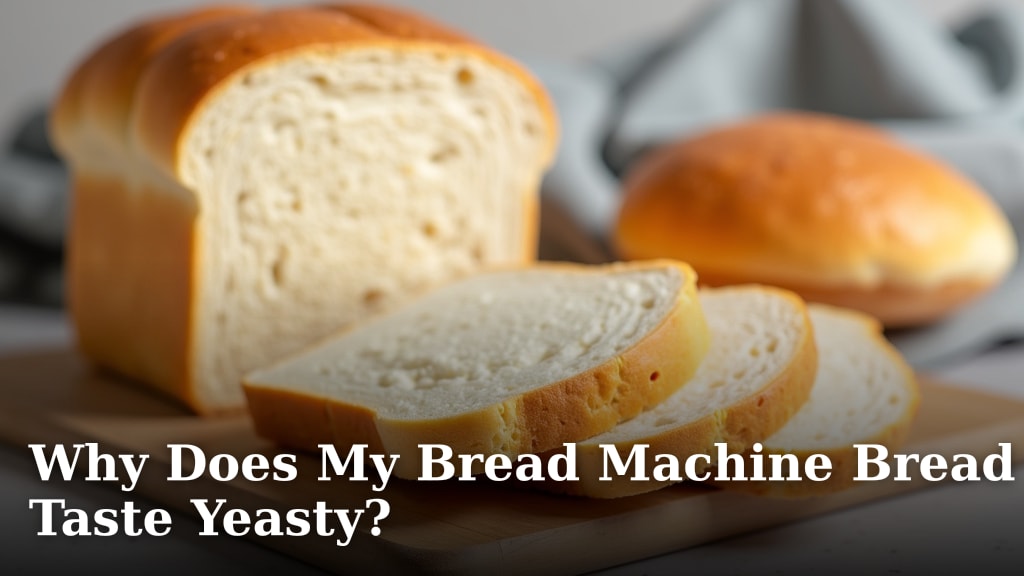
Your bread machine bread might taste too yeasty because of too much yeast, old yeast, or even too much sugar. These factors can lead to an overpowering flavor. We found that balancing the yeast and sugar is key for delicious bread. You want just the right amount of yeast to do its job. Too little, and your bread won’t rise. Too much, and that yeast flavor can take over.
Sometimes, the issue isn’t just the yeast itself. The temperature of your ingredients can play a big role. If your water is too warm, it can make the yeast go wild. If it’s too cool, it might not activate properly. We also found that the type of flour you use can affect the yeast activity. It’s all about finding that perfect bread-making harmony in your machine.
- Yeast flavor is often due to too much yeast or sugar.
- Old or inactive yeast can also cause issues.
- Ingredient temperature matters – not too hot, not too cold.
- The type of flour can impact yeast performance.
- Proper ratios are essential for great-tasting bread machine loaves.
Let’s dive into why your bread might be tasting a little too much like a bakery’s yeast supply and how to fix it for perfectly flavored homemade loaves.
Troubleshooting That Yeast-Forward Bread Machine Loaf
When your homemade bread from the machine comes out with an overpowering yeast flavor, it can be disappointing. You were hoping for that perfect aroma and taste, but instead, you get a strong yeasty note. We understand how frustrating this can be! Let’s figure out what’s going on and how to get your bread tasting just right.
The good news is that this is usually a fixable problem. Often, it’s a simple tweak to your recipe or preparation. We’ve looked into the common culprits behind that strong yeast taste. It usually boils down to a few key areas: the amount of yeast, the quality of your yeast, the sugar content, and even the temperature of your liquids.
Understanding Yeast and Its Role in Baking
Yeast is a tiny, living organism. Its job is to eat sugars and produce carbon dioxide gas. This gas creates the bubbles that make your bread rise and gives it that light, airy texture. Without enough yeast, your bread stays flat. Too much, and it can lead to an unbalanced flavor.
The Magic of Fermentation
Fermentation is the process where yeast goes to work. It converts sugars into alcohol and carbon dioxide. A little bit of this “yeasty” aroma is normal and even desirable in bread. It contributes to the complex flavor profile we love. But when that aroma becomes the dominant taste, something is likely off.
How Much Yeast is Too Much?
Recipes are designed with specific ratios for a reason. If you’re eyeballing ingredients or using a recipe meant for a different size loaf, you might be adding too much yeast. Many bread machine recipes call for 1 to 2 teaspoons of active dry yeast. Going much beyond that can quickly lead to an overpowering flavor.
We found that even an extra half teaspoon can make a noticeable difference. It’s tempting to think more yeast means a better rise, but with yeast, more isn’t always better. It’s about finding that sweet spot for flavor and texture.
The Impact of Yeast Quality and Age
Not all yeast is created equal, and age matters. If your yeast is old or has been stored improperly, it might not be as active as it should be. This can lead bakers to add more yeast to compensate, unintentionally creating that strong flavor.
Checking Your Yeast’s Freshness
Active dry yeast typically has a shelf life of about 4-6 months in the pantry. Once opened, it’s best to store it in an airtight container in the refrigerator or freezer. This helps maintain its potency. Before you start baking, it’s a good idea to test your yeast.
How to Test Your Yeast
It’s a simple process that can save your loaf. In a small bowl, combine about 1/4 cup of warm water (around 105-115°F or 40-46°C). Add a pinch of sugar and 1 teaspoon of your yeast. Let it sit for 5-10 minutes. If the mixture gets foamy and bubbly on top, your yeast is good to go! If nothing happens, it’s time for a new packet.
We found this simple test is a reliable indicator of yeast activity. It prevents you from wasting other ingredients on a loaf that won’t rise properly and helps avoid the issues associated with inactive yeast.
Sugar: More Than Just Sweetness
Sugar does more than just make your bread sweet. It’s essential food for the yeast. Yeast consumes sugar during fermentation, producing alcohol and carbon dioxide. This process contributes to the bread’s flavor and texture. However, too much sugar can interfere with yeast activity and create that yeasty taste.
The Yeast-Sugar Relationship
When there’s an excessive amount of sugar, it can actually draw water away from the yeast cells. This process is called osmosis. It can inhibit the yeast’s ability to work efficiently. Think of it like a sponge that’s too full – it can’t absorb any more water. The yeast cells become dehydrated and sluggish.
Additionally, a high sugar content can speed up fermentation. This might seem good, but it can lead to the yeast producing more of its byproducts. Some of these byproducts contribute to that strong, sometimes unpleasant, yeasty flavor. Many baking resources note that sugar should be carefully measured (King Arthur Baking).
Sweeteners and Their Impact
Different types of sweeteners can affect yeast differently. White sugar is the most common. However, if you’re using honey, maple syrup, or brown sugar, they contain other compounds that might interact with the yeast. While usually not the primary cause of a strong yeast taste, they can play a supporting role.
We recommend sticking to the type of sugar specified in your bread machine recipe, especially when you’re starting out. Once you’ve mastered a recipe, you can experiment carefully. Be mindful that changing the sweetener might alter the flavor profile and texture.
Ingredient Temperature: A Delicate Balance
The temperature of your liquids is incredibly important for activating yeast. It’s a fine line between warm enough to get the yeast happy and hot enough to kill it.
The Ideal Water Temperature
For most bread machine recipes, water temperature is critical. Yeast thrives in a warm environment. We found that water between 105°F and 115°F (40°C to 46°C) is generally ideal for active dry yeast. This range ensures the yeast is active but not stressed.
If your water is too hot, you can kill the yeast. This leads to a dense loaf with no rise and a strange flavor. If the water is too cold, the yeast won’t activate properly. It will be sluggish, and your bread might not rise well. This can also contribute to an underdeveloped flavor, making any yeast present more noticeable.
Impact of Other Ingredients
Remember to consider the temperature of all your ingredients. If you’re using milk, it should also be in that warm range. If your flour is very cold from the pantry, it can also cool down your liquid mixture. We’ve learned that letting your flour come to room temperature can help create a more consistent dough temperature.
A good practice is to measure the temperature of your liquid before adding it to the bread machine pan. This gives you direct control. You can always add a little more warm water or let it cool slightly if it’s too hot. Maintaining the right temperature is key for consistent results.
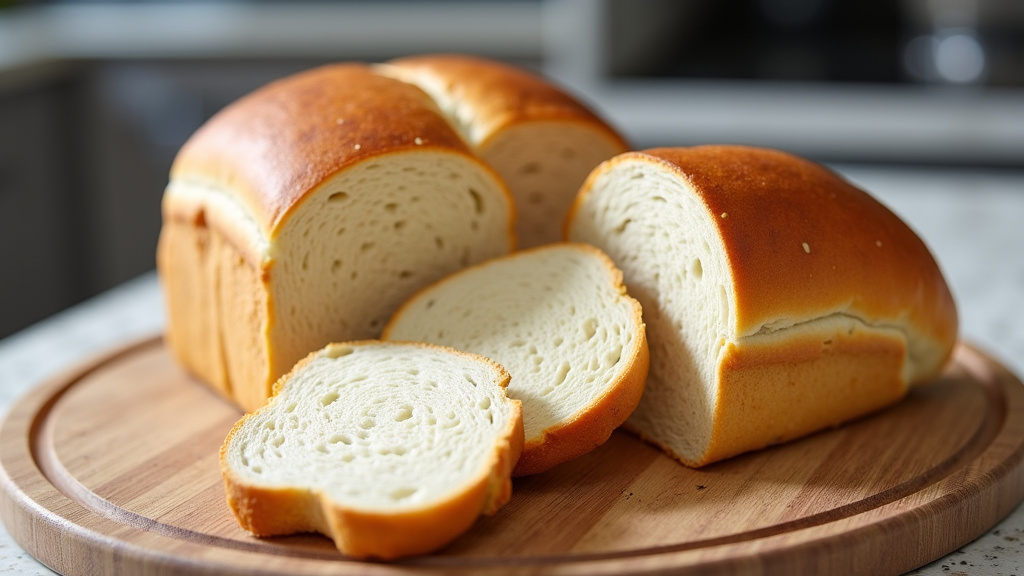
Flour Type and Its Influence
The kind of flour you use can subtly affect how your bread machine interprets the recipe. Different flours have varying protein content and absorption rates, which can impact yeast activity.
All-Purpose vs. Bread Flour
Bread flour has a higher protein content than all-purpose flour. This higher protein helps develop stronger gluten strands, leading to a better rise and chewier texture. While many recipes work with either, using all-purpose flour might sometimes result in a slightly less robust loaf.
If a recipe specifically calls for bread flour, using all-purpose might change the texture. It generally doesn’t cause an overtly yeasty flavor on its own, but it can contribute to a loaf that doesn’t quite rise as it should, making the yeast flavor more prominent. We found that following the flour recommendation in your machine’s manual is a good starting point.
Whole Wheat and Other Flours
Whole wheat flour contains bran and germ, which can interfere with yeast activity. It absorbs more liquid than white flour. If you’re substituting whole wheat for part of the white flour, you might need to adjust the liquid slightly. Some whole grain flours can also lead to a denser crumb, which might make the yeast flavor more apparent.
When experimenting with different flours, pay attention to the recipe’s notes. Many bread machine books offer guidance on substitutions. We’ve learned that starting with the manufacturer’s recommended recipes ensures the best compatibility with your machine’s settings and cycles.
Recipe Ratios: The Heart of Good Bread
The most common reason for a strong yeast flavor is an unbalanced recipe. Every ingredient has a purpose and plays off the others. When the ratios are off, the whole system can be disrupted.
Consider a bread machine recipe as a finely tuned engine. Each part must work in harmony. If you add too much of one component, like yeast or sugar, it can throw off the performance of the others. This leads to both texture and flavor issues.
We’ve compiled a quick checklist to help you review your recipe before you bake.
- Double-check the amount of yeast called for.
- Verify the type of yeast required (active dry vs. instant).
- Measure sugar and salt accurately.
- Ensure your liquid ingredients are at the correct temperature.
- Use the recommended type of flour.
- Follow the order of ingredients as listed in your recipe.
Troubleshooting Steps: Quick Fixes
If your bread is consistently too yeasty, here’s a plan of action. Start by reviewing your recipe and your ingredients.
| Problem | Possible Cause | Solution |
|---|---|---|
| Overpowering Yeast Flavor | Too much yeast | Reduce yeast by 1/4 to 1/2 teaspoon. |
| Overpowering Yeast Flavor | Too much sugar | Reduce sugar by 1 tablespoon. |
| Overpowering Yeast Flavor | Old or inactive yeast | Test yeast for freshness; buy new if needed. |
| Overpowering Yeast Flavor | Liquid too hot/cold | Ensure liquid is between 105-115°F (40-46°C). |
| Dough doesn’t rise well & tastes yeasty | Inactive yeast | Replace yeast. |
| Dough doesn’t rise well & tastes yeasty | Liquid too cold | Slightly warm up liquids. |
Often, just a small adjustment can make a world of difference. We found that many people over-measure their yeast, thinking it’s a forgiving ingredient. But with bread machines, precision is often key. Getting the balance right means your bread will rise beautifully and taste delicious, not just yeasty.
Conclusion
You’ve now got a clearer picture of why your bread machine bread might taste a bit too yeasty. Remember, it often comes down to a few simple adjustments: carefully measuring your yeast and sugar, ensuring your yeast is fresh and active, checking your liquid temperatures, and using the right flour. We’ve found that precision in your recipe is your best friend here. Don’t get discouraged if your first few loaves aren’t perfect. Simply review your ingredients and process, make small tweaks, and you’ll soon be baking delicious, perfectly flavored bread machine loaves that you’ll be proud to share.
Frequently Asked Questions
How can I tell if my yeast is still good?
You can easily test your yeast for freshness. Mix a teaspoon of yeast with 1/4 cup of warm water (around 105-115°F) and a pinch of sugar. If it becomes foamy and bubbly within 5-10 minutes, your yeast is active and ready to use. If there’s no reaction, it’s time to buy new yeast.
Is it okay to use instant yeast if my recipe calls for active dry yeast?
Generally, yes, but you might need to adjust the amount slightly. Instant yeast is often more potent. Some sources suggest using about 25% less instant yeast than active dry yeast. Always check your bread machine manual or the yeast packaging for specific conversion advice.
Can I reduce the sugar in my bread machine recipe?
You can usually reduce the sugar by a tablespoon or two without a major impact on flavor or texture. However, sugar is food for the yeast, so reducing it too much could affect the rise. If you’re significantly cutting sugar, monitor your loaf closely.
What’s the best way to store opened yeast?
After opening a packet of yeast, it’s best to store it in an airtight container. Refrigeration or freezing will help maintain its activity for longer. This ensures your yeast stays potent for future baking projects.
Why does my bread taste yeasty even when I followed the recipe exactly?
Sometimes, even when following a recipe, subtle factors can play a role. Double-check the temperature of your liquids as they’re added to the machine, as even slight variations can impact yeast. Also, consider the possibility of a slightly older yeast packet that might not be as active as a fresh one.
