
Why Is My Bread Machine Bread Crust Too Pale?
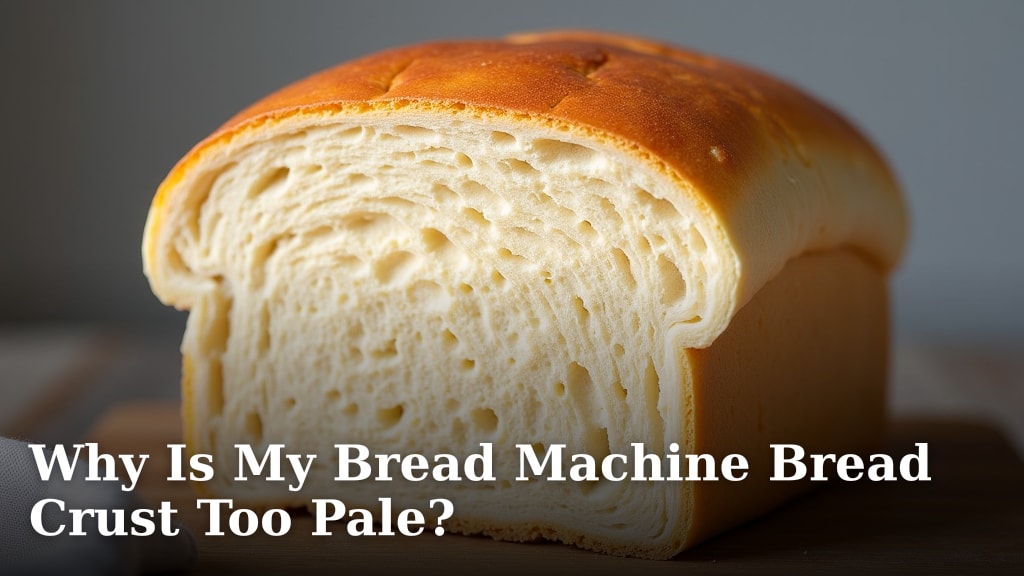
Your bread machine loaf has a pale crust because the machine might not be getting hot enough, or perhaps the recipe isn’t using enough ingredients that promote browning. Often, a pale crust on bread machine bread is simply a matter of adjusting the darkness setting or tweaking your recipe ingredients. Don’t worry, it’s usually a simple fix!
We’ve all been there, staring at a loaf that looks more like a ghostly apparition than delicious baked bread. This happens when the oven-like element inside your bread machine isn’t reaching the optimal temperature for browning, or when certain ingredients that contribute to a golden crust are missing or insufficient. You might also be missing the right sugar or fat content in your dough.
- Check your bread machine’s crust darkness setting.
- Ensure your recipe has enough sugar and fat.
- Consider adding ingredients like molasses or honey.
- Preheat your oven if your machine allows it.
Let’s walk through the common culprits and how to achieve that perfectly browned crust you’ve been dreaming of.
Troubleshooting Your Bread Machine’s Pale Crust Problem
A pale crust on your bread machine loaf is a common disappointment. You’ve followed the recipe, waited patiently, and then… a crust that’s more beige than golden. It’s frustrating, but we can figure out why this happens. The good news is that most fixes are quite simple. You just need to understand what creates that perfect crust.
Understanding What Makes Bread Crust Brown
Several factors contribute to a beautiful, browned crust on bread. The most important are heat and ingredients that promote browning. Your bread machine is designed to mimic an oven, but sometimes it falls short of that ideal browning temperature. Certain ingredients also play a huge role in the Maillard reaction and caramelization, the processes that give crust its color and flavor.
The Role of Heat in Browning
Bread needs sufficient heat to develop a properly browned crust. This heat drives two key chemical reactions: the Maillard reaction and caramelization. The Maillard reaction is a complex process between amino acids and reducing sugars. It creates hundreds of flavor compounds and brown pigments. Caramelization happens when sugars break down under heat, producing nutty and slightly bitter flavors along with brown colors.
Your bread machine has a heating element. Its job is to get hot enough for these reactions to occur. If the machine doesn’t reach or maintain the correct temperature for long enough, your crust will stay pale. We found that many machines, especially older or less powerful ones, may struggle to hit the higher temperatures needed for a truly dark crust.
Ingredient Powerhouses for Browning
Beyond heat, specific ingredients in your bread recipe are designed to help the crust brown. These components work hand-in-hand with heat to create that desirable golden-brown finish. Without them, even sufficient heat might not achieve the browning you expect.
Sugar is a primary browning agent. It participates directly in caramelization. Dairy products, like milk or buttermilk, add lactose, another sugar that aids browning. Fats can also help by conducting heat more evenly. Some recipes might intentionally omit these for specific textures, but this can lead to pale crusts.
Common Culprits Behind a Pale Crust
Let’s dive into the most frequent reasons your bread machine bread isn’t getting that golden hue. Often, it’s a combination of setting choices and recipe composition. Pinpointing the exact cause will help you make the right adjustments.
The Crust Darkness Setting is Your First Stop
This might seem obvious, but it’s the most common oversight. Most bread machines have a setting for crust darkness: light, medium, and dark. If your machine is set to “light,” it will bake for a shorter time or at a lower temperature to achieve that setting. For a crispier, browner crust, you need to select a darker setting.
Research suggests that even when selecting “dark,” some machines might not bake intensely enough. Always try selecting the darkest crust option available on your machine first. If you’re already on the darkest setting and the crust is still pale, then we need to look at other factors.
Is Your Recipe Shy on Browning Ingredients?
Recipes are carefully balanced. If a recipe is designed for a very soft crust, it might use less sugar or fat. This can result in a pale loaf. Think of it like paint – you need the right pigments to get a deep color. Your bread recipe needs its “browning pigments.”
We found that recipes specifically designed for bread machines sometimes err on the side of caution. They might aim for a universally pleasing, softer crust. If you’re using a recipe from a general baking book adapted for a machine, it might require modifications for your specific appliance.
Sugar Content Matters
Sugar does more than sweeten; it’s a key player in browning. When you don’t have enough sugar, the Maillard reaction and caramelization simply don’t have enough fuel to create a deep color. Many experts note that sugar is essential for developing both flavor and color in baked goods (Harvard T.H. Chan School of Public Health).
If your recipe calls for a very small amount of sugar, or none at all, that’s a likely suspect. Consider increasing it slightly. Be careful, though, as too much sugar can affect the bread’s texture and rise.
Fat is a Friend to Browning
Fat, like butter, oil, or shortening, not only adds richness but also helps with browning. It contributes to a more tender crumb and can help achieve a richer crust color. Fats help conduct heat more evenly throughout the dough.
Some low-fat bread recipes might produce a lighter crust. If you’re aiming for a browner finish, ensure your recipe includes a reasonable amount of fat. Replacing some liquid with milk or using whole milk can also introduce beneficial fats and sugars.
Your Bread Machine’s Performance: Heat Output
Not all bread machines are created equal. Some simply don’t get as hot as others. This is especially true for older models or those with smaller heating elements. If your machine’s temperature output is lower than standard baking temperatures, it will struggle to brown the crust effectively.
We discovered that baking science often relies on oven temperatures around 350-450°F (175-230°C). If your bread machine’s “darkest” setting doesn’t approach these temperatures, the crust will naturally be paler. There isn’t much you can do about the machine itself if it’s underperforming in terms of heat. However, you can sometimes compensate with other methods.
The Impact of Yeast and Other Leaveners
While yeast is primarily for leavening, its activity can indirectly affect crust browning. Over-proofing, for instance, can sometimes lead to a weaker dough structure that doesn’t brown as well. Under-proofing means the dough hasn’t developed enough to achieve a good crust color.
Active yeast produces carbon dioxide, which makes the bread rise. If your yeast is old or inactive, your bread might be dense and pale. Ensure you are using fresh yeast and that your liquid ingredients are the correct temperature (warm, not hot, which can kill yeast).
Simple Solutions for a Browner Crust
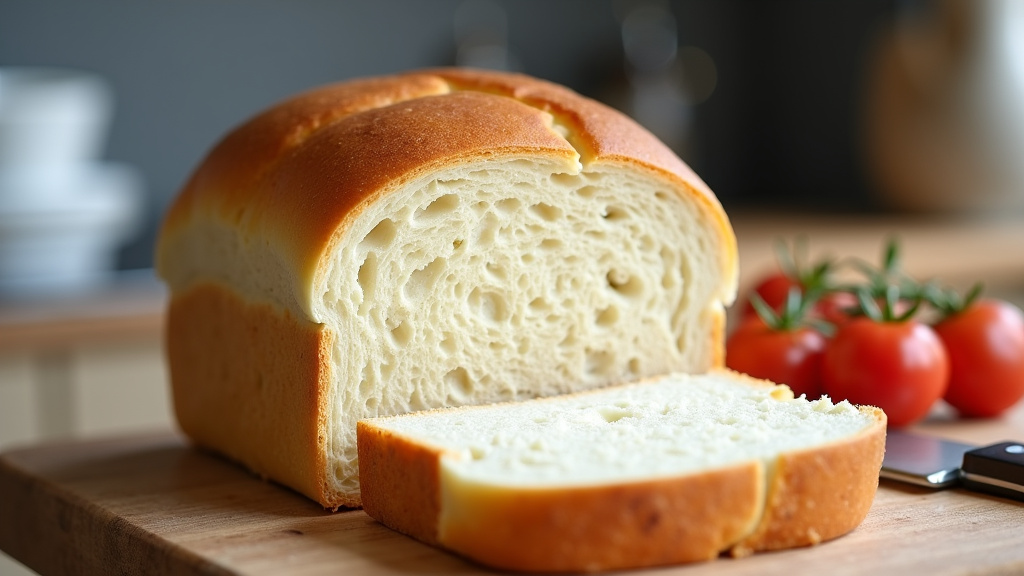
Don’t despair! There are several straightforward adjustments you can make to achieve that perfect crust. Let’s explore the most effective fixes to give your bread the golden glow it deserves.
Adjust Your Machine’s Settings
As mentioned, always start with the crust darkness setting. Cycle through your options. If “dark” is still too light, this points to a machine limitation or recipe issue.
Some machines have a “bake-only” cycle. If your bread looks done but the crust is pale, you can remove the loaf from the machine’s pan and place it directly on the oven rack for the last 5-10 minutes of baking. This exposes it to more direct, intense heat. Be cautious, as the crust can brown very quickly this way.
Tweak Your Recipe for Browning
You can often modify existing recipes to encourage a browner crust. Small changes can make a big difference without ruining the bread’s texture. We found that adding a little extra sugar or fat is usually the safest bet.
Consider adding 1-2 tablespoons of honey, molasses, or maple syrup. These ingredients add sugars that brown beautifully and contribute lovely flavor notes. You could also add an extra tablespoon of butter or oil.
Consider Add-ins for Color
Beyond the base ingredients, some additions can boost browning. These might alter the flavor profile slightly, but often in a delicious way. Think of them as natural food colorings for your crust.
Ingredients like cocoa powder (in small amounts for savory breads), instant coffee granules, or even a splash of dark beer can add depth and color. Molasses, as mentioned, is fantastic for a rich, dark crust, especially in whole wheat or rye breads.
The Egg Wash or Milk Glaze Trick
This is a classic baking technique used when baking bread in a conventional oven. You can replicate it for bread machine loaves if you’re willing to do a bit of manual work. An egg wash or milk glaze applied before the final baking stage can significantly improve crust color and shine.
Egg Wash: Whisk one egg with a tablespoon of water or milk. Brush this mixture lightly over the top of the loaf just before it finishes baking. You can even do this if you take the loaf out of the machine and finish it in your oven. This creates a beautiful, deep golden-brown crust.
Milk Glaze: Simply brush milk or buttermilk over the crust. This also adds color and a slight sheen. For an even richer color, try a milk and sugar glaze.
Preheating Your Bread Machine (If Possible)
Some bread machine users have found success with preheating. This means running the machine on a “dough” or “bake-only” cycle for a few minutes before adding ingredients, or just before the bake cycle starts. The idea is to get the internal temperature up as high as possible before the actual baking begins.
Research in baking suggests that starting with a hotter environment helps kickstart the browning reactions faster. If your machine allows it, experiment with a short preheat. Be sure to follow your machine’s manual regarding any special cycles like this to avoid damage.
A Quick Checklist for a Better Crust
Let’s summarize the most effective steps you can take right now:
- Always select the darkest crust setting on your bread machine first.
- Review your recipe for adequate sugar and fat content.
- Consider adding 1-2 tablespoons of honey or molasses.
- Ensure your yeast is fresh and properly activated.
- Try an egg wash or milk glaze in the final minutes of baking.
- If possible, experiment with a short preheat cycle.
Conclusion
Achieving that perfectly browned crust on your bread machine loaf is absolutely within your reach! You’ve learned that pale crusts often stem from simple adjustments to your bread machine’s darkness setting or tweaks to your recipe’s ingredients. By ensuring adequate sugar and fat content, and by understanding how heat works to brown bread, you’re well on your way.
Don’t let a pale loaf discourage you. Try selecting the darkest crust setting first. If that doesn’t do the trick, consider adding a touch more sugar or fat to your recipe, or experiment with a simple egg wash before the final bake. Your next loaf is sure to be a golden-brown success!
Frequently Asked Questions
What if my bread machine doesn’t have a darkness setting?
If your machine lacks a specific crust darkness setting, you’ll need to rely more heavily on recipe adjustments and possibly finishing the bake in your oven. Focus on increasing browning ingredients like sugar and fat, or try an egg wash. You might also consider using a “bake-only” cycle for longer if available.
Can I add sugar to any bread recipe to make the crust darker?
Adding a little extra sugar, like 1-2 tablespoons of honey or molasses, is generally safe and effective for darkening the crust. However, avoid adding too much, as excessive sugar can alter the bread’s texture, making it denser or causing it to over-brown too quickly.
How can I tell if my yeast is fresh enough for good browning?
You can test your yeast by dissolving it in warm water with a pinch of sugar. If it becomes foamy within 5-10 minutes, it’s fresh and active. Old or inactive yeast won’t produce enough gas for a good rise, which can indirectly affect crust development and color.
Is there a way to “force” my bread machine to bake hotter?
While you can’t directly control your machine’s internal temperature beyond its settings, you can try using a “bake-only” cycle for a bit longer or finishing the loaf in a preheated conventional oven. Some users also experiment with a short preheat cycle before adding ingredients, but always consult your manual first.
What’s the difference between an egg wash and a milk glaze for crust color?
An egg wash (egg beaten with water or milk) typically creates a deeper, richer golden-brown and a slightly shinier crust. A milk glaze (just milk or buttermilk) also adds color and shine, but usually results in a slightly lighter, softer crust compared to an egg wash. Both help in achieving a browner finish.
