
Why Does My Bread Machine Bread Overflow?
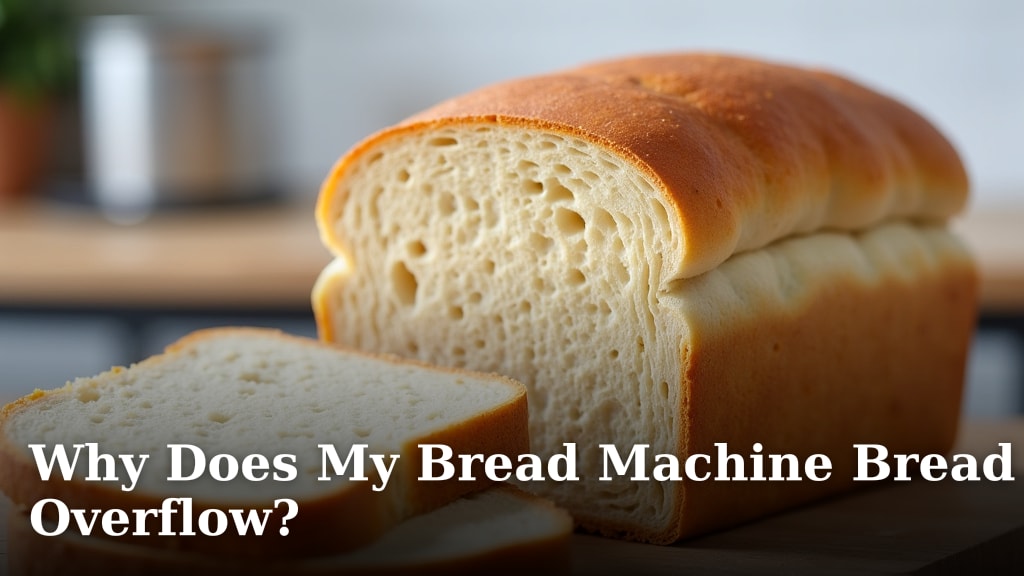
Your bread machine bread overflows because of an improper liquid to flour ratio or using too much yeast. Too much liquid makes the dough too sticky and expands it too fast. Too much yeast causes an overly aggressive rise that escapes the pan. Getting this balance right is key to perfect bread.
This common bread machine problem can be frustrating. It often happens when you’re trying a new recipe or haven’t measured precisely. Understanding the role of each ingredient helps prevent your delicious loaf from becoming a messy overflow disaster. We’ve seen it happen, and we’re here to help you avoid it.
- Liquid-to-flour ratio is vital.
- Yeast amount makes a big difference.
- Accurate measuring prevents overflow.
- New recipes require extra care.
Let’s look at the common culprits behind overflowing bread machine loaves and how you can fix them for next time.
“`htmlUnderstanding Your Bread Machine’s Overflow Problem
It’s a moment of kitchen dread. You peek into your bread machine, expecting a perfectly golden, domed masterpiece. Instead, you find dough clinging to the lid, spilling over the sides, and creating a baked-on mess. Don’t worry, this is a **common bread machine issue**. We’ve all been there, staring at the sticky aftermath. The good news is, it’s usually fixable with a little understanding.
The main reason your bread machine loaf overflows is an imbalance in the ingredients. Think of it like a science experiment gone slightly awry. Too much of one thing, or not enough of another, can send your dough into a runaway rise. Let’s break down the most common culprits and how to avoid them.
The Mighty Yeast: Too Much of a Good Thing
Yeast is the magic behind your bread’s rise. It eats sugar and produces carbon dioxide gas. This gas inflates the dough, making it light and airy. But, like a party guest who has too much fun, too much yeast can cause your dough to expand too aggressively. This is especially true in the warm, controlled environment of your bread machine.
How Much Yeast is Too Much?
Recipes are usually tested to get the yeast amount just right. However, if you’ve been a little generous with your measuring spoon, you might have overdone it. Even an extra quarter or half teaspoon can make a difference. If your dough seems to be rising at warp speed, the yeast is likely the star of the show. It creates a rapid, enthusiastic rise that can easily escape the confines of your bread pan.
Environmental Factors Affecting Yeast
Did you know that the temperature of your ingredients can affect yeast activity? If your water or milk is warmer than the recipe suggests, it can wake up the yeast more than intended. This leads to a **faster and more vigorous rise**. Many experts recommend using lukewarm liquid, around 105-115°F (40-46°C) for active dry yeast. Too hot, and you risk killing the yeast. Too cold, and your rise will be sluggish. But too warm, and you get an overflow.
Liquid to Flour Ratio: The Delicate Balance
This is arguably the **most critical factor** in bread making, whether in a machine or by hand. Flour absorbs liquid. The right amount of liquid hydrates the flour, creating gluten. Gluten is the protein network that gives bread its structure. Too little liquid, and your bread will be dry and dense. Too much liquid, and your dough becomes very wet and sticky.
Sticky Dough is Runaway Dough
When your dough has too much liquid, it’s less able to hold its shape. It becomes a super sticky, amorphous blob. This wet dough can spread outwards rather than rising upwards. It can also trap more air, leading to a bigger, faster expansion. A sticky dough is often the first sign that your bread machine loaf might try to make a break for it. You’ll often see it sticking to the sides of the pan and even the machine’s lid.
Measuring is Key: Liquid
How you measure your liquids matters. Are you using a liquid measuring cup placed on a flat surface? This is important for accuracy. Scooping liquid with a dry measuring cup can lead to overfilling. We’ve found that most bread machine recipes rely on precise liquid measurements for success. Double-check your measuring cups and techniques. Even a tablespoon or two of extra liquid can cause problems.
Measuring is Key: Flour
Flour measurement is just as important, if not more so. Too much flour can make your dough dry and dense, but too little flour can contribute to the overflow issue if the liquid ratio is still off. The best way to measure flour is to **lightly spoon it into a dry measuring cup** and then level it off with a straight edge, like a knife. Scooping directly from the bag can pack too much flour into the cup, leading to an incorrect measurement and an unbalanced dough.
The Role of Different Flour Types
Different types of flour absorb liquid differently. Whole wheat flour, for instance, tends to absorb more liquid than all-purpose flour. If your recipe calls for a blend and you use all one type, you might alter the hydration. Always stick to the flour type specified in your recipe. If you’re experimenting, be prepared to adjust liquid amounts. Many experienced bakers suggest starting with the lower end of the liquid range when using whole grains.
Beyond Yeast and Liquid: Other Contributing Factors
While yeast and the liquid-to-flour ratio are the primary culprits, other elements can contribute to an overflowing loaf. It’s good to be aware of these less common, but still impactful, issues.
Sugar and Salt: More Than Just Flavor
Sugar feeds the yeast, as we know. It also affects the texture and browning of your crust. Salt, on the other hand, controls yeast activity and strengthens the gluten structure. Too much sugar can give the yeast too much food, leading to a faster rise. Too little salt means the yeast can run wild without being controlled. Be precise when measuring these ingredients. They play a vital role in the overall behavior of your dough.
The Pan and the Machine
Your bread machine pan has a specific volume. Recipes are designed with this in mind. If you’re trying to make a loaf significantly larger than the machine is designed for, it’s bound to overflow. Also, ensure you’re using the correct pan for your specific machine model. Older machines might also have heating elements that are more intense, potentially affecting rise times.
High-Altitude Baking Adjustments
If you live at a high altitude (above 3,000 feet), the lower atmospheric pressure affects how dough rises. You might need to **adjust your recipes**. Typically, this involves using less liquid and less yeast. Gases expand more easily at higher altitudes. This can cause dough to rise too quickly and potentially overflow. Many baking resources offer specific high-altitude baking charts and tips.
Quick-Rise or Rapid Bake Cycles
These cycles are designed for speed. They often use a bit more yeast and a faster rise time. While convenient, they can be more prone to overflow if your measurements aren’t perfect. The dough doesn’t have as much time to develop structure before it’s pushed to expand rapidly. If you’re consistently having issues on these cycles, consider using the normal cycle.
Checklist for Preventing Overflow: Your Next Loaf’s Best Friend
Ready to bake with confidence? Keep this handy checklist by your bread machine:
- Measure Liquids Accurately: Use a liquid measuring cup on a flat surface.
- Measure Flour Correctly: Spoon and level, don’t scoop and pack.
- Check Yeast Freshness: Old yeast can be less predictable.
- Room Temperature Ingredients: Avoid overly warm liquids.
- Follow the Recipe: Especially when trying a new one.
- Know Your Machine: Understand its pan size and cycle times.
Conclusion
It’s incredibly frustrating when your bread machine loaf overflows. You’ve put in the effort, and you end up with a mess instead of a masterpiece. Remember, the most common culprits are an improper liquid-to-flour ratio and using too much yeast. Environmental factors and how you measure can also play a big role. By carefully measuring your ingredients, using the right temperatures, and understanding your machine, you can absolutely avoid these overflows. For your next bake, make sure to double-check those measurements and perhaps start with a simple, well-tested recipe. Happy baking!
Frequently Asked Questions
Why is my bread machine dough expanding so fast?
Fast expansion is usually a sign of too much yeast or liquid that’s too warm. Warmer liquids activate yeast more quickly, leading to a rapid rise. Over-measuring your yeast can also give it too much “food,” causing it to produce gas at an accelerated rate. Ensure your liquid is lukewarm, not hot, and measure your yeast precisely.
Can using the wrong flour cause my bread machine loaf to overflow?
Yes, different flours absorb liquid differently. If you substitute a flour that absorbs less liquid than the recipe calls for, your dough might be too wet. This excess moisture can lead to a sticky dough that spreads too much and overflows the pan. Always try to stick to the flour type specified in your recipe.
How can I tell if I’ve used too much liquid in my bread machine recipe?
Your dough will likely be very sticky and wet, clinging to the sides of the pan and the kneading paddle. It might not form a cohesive ball during the kneading cycle. A dough that’s too wet lacks structure and can spread out uncontrollably during rising, leading to an overflow. You might even see it touching the lid.
Is it possible to fix a loaf that’s already overflowing during the bake cycle?
Unfortunately, once the dough starts overflowing significantly, there’s little you can do to stop it during the bake cycle. The expanding dough will continue to spread. Your best bet is to stop the machine to prevent a huge mess. You can try to salvage some of the baked portion, but the texture and shape will be compromised.
What’s the best way to measure flour for my bread machine to prevent overflow?
Always use the “spoon and level” method. Lightly spoon flour into your dry measuring cup until it’s overflowing, then use a straight edge, like the back of a knife, to sweep off the excess. Never scoop directly from the flour bag, as this packs too much flour into the cup, leading to an incorrect ratio and potentially overflow.
