
How Long Does Bread Machine Yeast Last?
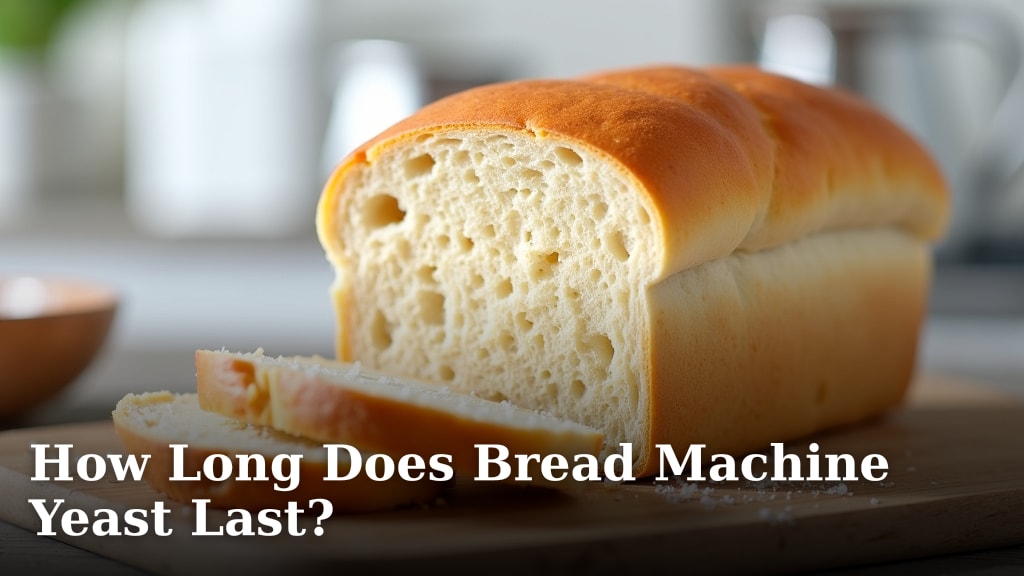
Your bread machine yeast can last for quite a while if stored properly. Unopened, active dry yeast typically stays good until the expiration date printed on the package. Once opened, it’s best to use it within 4-6 months for optimal results in your bread machine.
This is because yeast is a living organism. Exposure to air and moisture can cause it to become less active over time. Properly sealed storage is key to maintaining its leavening power for your homemade loaves. We’ve seen many home bakers surprised by how long good yeast can actually last!
- Unopened yeast lasts until the expiration date.
- Opened yeast is best used within 4-6 months.
- Proper sealing keeps yeast fresh and active.
- Storage conditions greatly impact yeast’s lifespan.
- Check for signs of life before using old yeast.
Let’s break down the best ways to store your bread machine yeast and how to tell if it’s still good to go for your next delicious bake.
How Long Can You Keep Bread Machine Yeast Fresh?
You’ve got a loaf of bread waiting to happen in your bread machine, but what about the yeast? Understanding how long your yeast stays active is key to getting that perfect rise. Thankfully, yeast has a surprisingly decent shelf life when you treat it right.
Understanding Yeast’s Shelf Life: It’s a Living Thing!
Think of yeast like tiny, sleepy little workers. They’re alive! This means they need the right conditions to stay happy and ready for their job. Exposure to air and moisture is like a big, disruptive party for them. It wakes them up too early and makes them tired. This is why proper storage is so important for keeping your yeast potent.
Unopened Yeast: The Expiration Date is Your Friend
When you grab a new packet of yeast from the store, you’ll likely see an expiration date. For unopened packets, this date is your best guide. Many manufacturers suggest it’s good through that date, and often a bit beyond if it’s been stored well. We found that most brands are pretty generous with their dates.
Opened Yeast: A Shorter, But Still Usable, Window
Once you’ve broken the seal on that yeast packet, its clock starts ticking a bit faster. Exposure to air is the main culprit here. We found that for optimal results in your bread machine, aiming to use opened yeast within about 4-6 months is a good rule of thumb. This ensures you get that strong leavening power for your bakes.
The Impact of Storage: Your Yeast’s Best Friend or Worst Enemy
Where you keep your yeast can drastically change how long it lasts. It’s not just about the date on the package; it’s about the environment you provide for those little microbes. Let’s look at the best ways to keep your yeast happy and active.
Refrigeration: The Coolest Place for Yeast
Many baking experts and guidelines suggest that refrigeration is one of the best ways to extend the life of your yeast, especially after opening. The cooler temperatures slow down the yeast’s metabolic processes. This means they stay in a more dormant state, preserving their strength for longer.
When you store yeast in the fridge, you’re essentially putting it in a cool, dark place. This helps prevent premature activation and spoilage. It’s a simple step that makes a big difference in maintaining its quality over time.
Freezing: For the Long Haul Baker
If you tend to buy yeast in bulk or don’t bake super frequently, freezing is an excellent option. Research from baking science sources indicates that yeast can last for a year or even longer when frozen properly. This is especially true for active dry yeast.
The key to freezing yeast successfully is to minimize air exposure. We found that storing it in an airtight container or a heavy-duty freezer bag is essential. Before freezing, ensure the original packaging is well-sealed, or transfer the yeast to a smaller, airtight container. This prevents freezer burn and moisture from affecting its viability.
Room Temperature Storage: Use It or Lose It (Sooner!)
Can you leave yeast in the pantry? Yes, but with a caveat. If you choose to store opened yeast at room temperature, you need to be much more mindful of the 4-6 month window. It will likely not last as long as refrigerated or frozen yeast.
Ensure the container is as airtight as possible. A small glass jar with a tight-fitting lid works well. Keep it away from heat sources like your oven or direct sunlight. The warmer it is, the faster your yeast will become sluggish. Think of it like leaving ice cream out on a hot day – not ideal!
Signs Your Yeast is Still Good to Go
So, you’ve found a packet of yeast that’s a little past its “best by” date, or you’re just not sure if it’s still potent. Don’t toss it just yet! There are simple ways to test if your yeast is still active and ready to make your bread machine sing.
The Water Test: A Simple Activation Check
This is a classic test that works for most types of yeast. You’ll need a little warm water and a pinch of sugar. Warm water should be around 105-115°F (40-46°C). Too hot and you’ll kill the yeast; too cold and it won’t activate properly.
Here’s how you do it:
- In a small bowl or measuring cup, combine about 1/4 cup of warm water.
- Add about 1 teaspoon of sugar.
- Sprinkle 1-2 teaspoons of your yeast over the top.
- Give it a gentle stir.
- Let it sit for 5-10 minutes.
What are you looking for? If your yeast is alive, it will start to foam and develop a creamy head on top. It looks like a bubbly layer forming. This means the yeast is feeding on the sugar and producing carbon dioxide gas, which is exactly what you want it to do in your bread dough. If you see this foam, your yeast is good to go!
What if the Yeast Doesn’t Foam?
If after 10 minutes there’s no foam, no bubbles, and no sign of life, it’s likely that your yeast has lost its potency. It’s time to say goodbye and grab a fresh packet. Using dead yeast will result in a flat, dense loaf, and nobody wants that!
Sometimes, you might see a *little* bit of activity, but it’s very weak. In this case, your yeast might still be viable, but it’s not at its peak. For best results in your bread machine, especially if you’re aiming for a perfect rise, it’s usually better to err on the side of caution and use fresh yeast.
Keeping Your Yeast Organized and Usable
To make sure you’re always using the best yeast and not wasting it, a little organization goes a long way. Here’s a simple checklist to help you manage your yeast supply:
- Date Opened: Always write the date you open a new packet on the container.
- Airtight Seal: Ensure any container you use is truly airtight.
- Cool & Dark: Store yeast in a cool, dark place, ideally the refrigerator.
- Separate Containers: If you buy in bulk, portion yeast into smaller, airtight containers for freezing.
- Test Before Baking: If in doubt, perform the water and sugar test.
- Inventory Check: Periodically review your yeast stash to see what’s oldest.
| Storage Method | Expected Lifespan (Opened) | Best For |
|---|---|---|
| Room Temperature (Airtight) | 1-3 months | Frequent bakers, small quantities |
| Refrigerated (Airtight) | 4-12 months | Most home bakers, maintaining freshness |
| Frozen (Airtight) | 12+ months | Bulk buyers, long-term storage |
Conclusion
Keeping your bread machine yeast fresh is simpler than you might think. You’ve learned that unopened yeast lasts until its expiration date, but opened yeast needs a bit more care. Proper storage, especially in the refrigerator or freezer, significantly extends its life. Remember to always check for that tell-tale foam before baking, ensuring your loaves rise beautifully every time. By dating your opened yeast and using airtight containers, you’ll maximize its potency and enjoy delicious homemade bread for longer.
Frequently Asked Questions
Can I still use yeast if it’s past the expiration date?
Yes, often you can! Yeast can remain viable for some time past its printed expiration date. The key is how it was stored. If it was kept sealed in a cool, dry place, it might still be good. Always perform the water and sugar test to be sure.
Does the type of yeast (active dry vs. instant) affect its lifespan?
Generally, the storage methods and lifespans are quite similar for both active dry and instant yeast. While instant yeast can sometimes be a bit more forgiving, treating both with airtight, cool storage will give you the best results.
What happens if I use old, inactive yeast in my bread machine?
If your yeast is no longer active, your bread dough simply won’t rise properly. You’ll likely end up with a dense, flat loaf. It’s not dangerous to use, but it will be disappointing. This is why testing your yeast is so important.
How do I know if my yeast has been exposed to too much air?
If you’ve opened a packet and haven’t sealed it very well, or if it’s been sitting out for a while, it has likely been exposed to air. Signs of this include a less potent smell and, most importantly, a lack of foaming when you do the water and sugar test.
Is it okay to store opened yeast in its original paper packet in the fridge?
While better than leaving it at room temperature, storing opened yeast in its original paper packet in the fridge isn’t ideal. Paper isn’t airtight. We recommend transferring opened yeast to a small, airtight glass jar or a sealed plastic container for best results in the refrigerator.
