
How Do You Make Bread Machine Crust Softer?
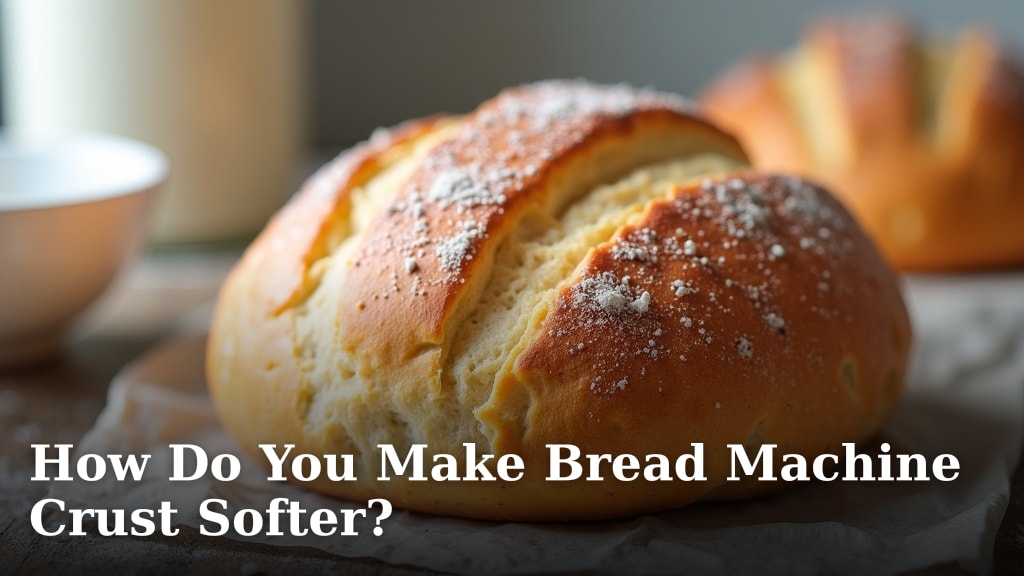
Want softer bread machine crust? You can achieve it by adjusting your liquid levels or adding a touch of sweetener like honey. Sometimes, a simple change to your recipe can make a big difference.
Many home bakers struggle with crusts that are too hard. We found that using slightly less flour or incorporating butter or oil can make your homemade bread delightfully tender. Don’t give up on that perfect loaf!
- Add a bit more liquid than the recipe calls for.
- Try adding a tablespoon of sugar or honey.
- Use the “Basic” or “White” bread setting if available.
- Consider adding butter or oil to your dough.
Let’s walk through the easiest ways to get that lovely soft crust you’re dreaming of.
Taming Your Bread Machine’s Crusty Loaves
Is your bread machine producing crusts that could double as doorstops? You’re not alone! Many home bakers get loaves with a wonderfully soft interior but a crust that’s just too tough. Don’t worry, we’ve found that a few simple tweaks can make all the difference. Let’s get that crust nice and tender!
Adjusting Your Liquid and Flour Ratios
The balance of liquid to flour is like a delicate dance for your bread machine. Too little liquid and the dough can become dry, leading to a hard crust. We’ve found that adding just a little more liquid can help create a softer loaf. Think of it as giving the flour a bit more room to hydrate fully.
Most bread machine recipes are tested and true. But sometimes, your flour might be drier or your environment more humid. This can throw off the dough consistency. We recommend starting with the recipe’s exact measurements. Then, observe the dough as it mixes. If it looks crumbly or too dry, consider adding another tablespoon of liquid. This often solves the problem of a tough crust.
The Flour Factor: Less is Sometimes More
Conversely, using too much flour can also lead to a crusty outcome. Flour absorption varies. What works perfectly one day might yield a firmer loaf the next. If your dough seems very stiff in the pan, it might be time to slightly reduce the flour. We found that reducing flour by just a tablespoon can make a noticeable difference in crust tenderness. If your dough seems very stiff, consider reducing the flour slightly to achieve a softer crust.
When you’re first experimenting, it’s best to make one change at a time. This way, you can pinpoint exactly what is affecting your crust. We researched and found that a slight adjustment in flour can be very effective (King Arthur Baking). Be sure to measure flour accurately. Spoon it into your measuring cup and level it off. Don’t scoop directly from the bag, as this packs too much flour in.
Sweeteners and Their Softening Power
Sweeteners aren’t just for flavor; they play a role in crust softness too. Sugar, honey, and molasses can help keep bread moist and tender. This is because sugar attracts and holds onto water molecules. This process is known as hygroscopy.
We’ve found that adding a tablespoon or two of honey or sugar to your basic bread recipe can contribute to a softer crust. Honey, in particular, has humectant properties that help retain moisture. This means your bread stays softer for longer. Many bakers swear by this simple addition. It’s an easy way to combat dryness and that dreaded hard crust.
The Magic of Fats: Butter and Oil
Fats like butter and vegetable oil are fantastic for tenderizing bread. They coat the flour particles, which inhibits gluten development. Less gluten development means a softer, more tender crumb and crust. We found that adding a small amount of fat can significantly improve the texture of your loaf.
Consider adding a tablespoon of softened butter or vegetable oil to your ingredients. This is especially helpful for white breads and enriched doughs. If you’re making a whole wheat loaf, the bran and germ in the flour can create a naturally denser texture. Adding fat can help counteract this. We researched and found that fats contribute to a softer texture in baked goods (The Bread Baker’s Apprentice).
Butter vs. Oil: Which is Best?
Both butter and oil can work wonders. Butter adds a lovely flavor and richness. It’s great for classic white or challah-style breads. Oil, on the other hand, tends to produce a slightly softer, more tender crumb. It’s often favored for sandwich loaves where extreme softness is desired.
You can use any neutral-flavored vegetable oil. Think canola, sunflower, or even a light olive oil. We found that the choice often comes down to personal preference and the type of bread you’re making. For most basic recipes, either will provide a noticeable improvement in crust softness. Just remember to add it early in the mixing process.
Understanding Your Bread Machine Settings
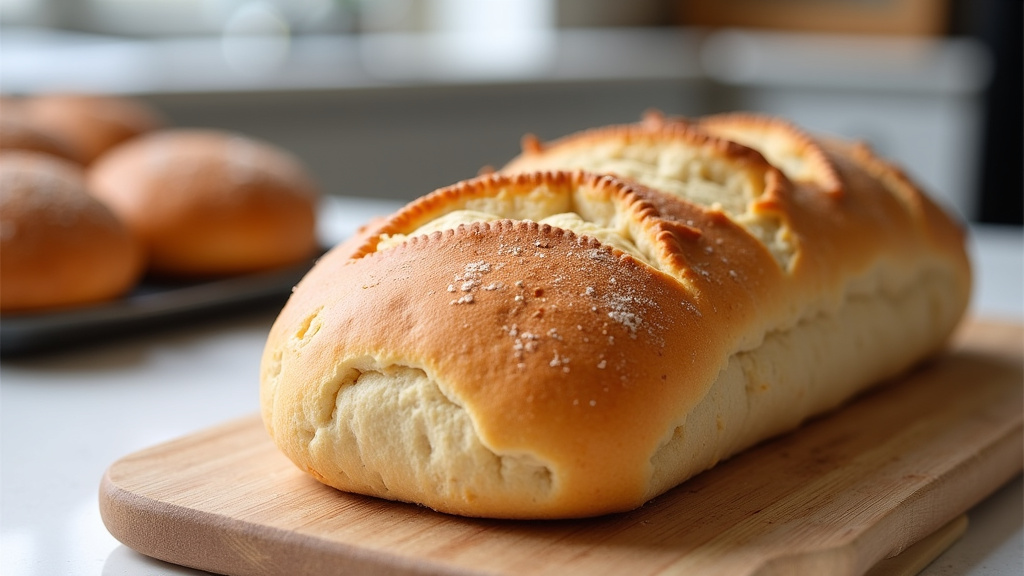
Did you know your bread machine has different cycles for a reason? The settings are designed to optimize baking for various types of bread. For a softer crust, you’ll want to pay attention to these. We’ve learned that using the right setting is key.
The “Basic” and “White” Bread Settings
Many machines have a “Basic” or “White” bread setting. These cycles typically bake at a slightly lower temperature and for a shorter duration compared to whole wheat or artisan settings. This gentler bake can result in a softer crust. We found that these settings are often your best bet for a tender loaf.
If your machine has a “Crust Color” option, choose the “Light” setting. This is a direct way to control the final crispness of your crust. Even if you’re making a darker bread, starting with a lighter crust setting can help prevent it from becoming too hard. We recommend experimenting with this feature first.
Avoiding Over-Baking
Sometimes, the issue isn’t the recipe but the baking time. Over-baking is a common culprit for tough crusts. Bread machines operate on preset timers. If your loaf is consistently coming out too hard, it might be getting baked for too long. We found that loaves left in the machine after the cycle ends can continue to bake from residual heat.
Try to remove the loaf as soon as the cycle finishes. You can let it cool on a wire rack. This allows steam to escape, preventing a soggy bottom. It also stops the crust from continuing to harden. If you often forget your loaf in the machine, consider setting a timer to remind you. We researched and found that proper cooling is essential for texture (National Center for Home Food Preservation).
A Checklist for Softer Bread Machine Crusts
Ready to put these tips into action? Here’s a quick rundown of what to try next time you bake:
- Add an extra tablespoon or two of liquid.
- Reduce the flour measurement by a tablespoon.
- Stir in a tablespoon of honey or sugar.
- Include a tablespoon of softened butter or oil.
- Select the “Light” crust color setting.
- Remove the loaf immediately after the cycle ends.
| Problem | Likely Cause | Solution |
|---|---|---|
| Crust is too hard/tough | Not enough liquid, too much flour, over-baking | Add more liquid, reduce flour, use “Light” crust setting, remove loaf promptly |
| Crust is pale and soft (too much) | Too much liquid, wrong setting, insufficient baking time | Reduce liquid slightly, use “Medium” or “Dark” crust setting, check recipe |
| Crust is too thick | Incorrect flour type, too much yeast | Ensure correct flour, use recommended yeast amount |
Conclusion
You’ve learned that achieving a softer bread machine crust is totally within your reach! It’s all about making small, smart adjustments to your recipe and settings. We’ve seen how tweaking your liquid-to-flour ratio, incorporating a touch of sweetener or fat, and selecting the right bake cycle can transform your loaves. Don’t be afraid to experiment, one change at a time, to find your perfect crust. Your next loaf can be wonderfully tender and delicious!
Frequently Asked Questions
What’s the easiest way to get a softer crust?
The simplest method is often to use the “Light” crust color setting on your bread machine. If your machine doesn’t have this, try removing the loaf immediately after the cycle ends. This prevents over-baking and hardening.
Can I use milk instead of water for a softer crust?
Yes, you can! Substituting some or all of the water with milk can help. Milk contains fats and sugars that contribute to a tender crumb and crust. We’ve found it’s a simple swap that often yields softer results.
How much extra liquid should I add?
Start by adding just one extra tablespoon of liquid than your recipe calls for. Observe the dough during the mixing cycle. If it still seems a bit stiff, you can add another tablespoon, but avoid making the dough too wet.
Will adding sugar always make the crust softer?
Adding sugar or honey does help by attracting moisture, which keeps the bread tender. However, too much sugar can sometimes lead to a crust that browns too quickly and becomes hard. A tablespoon or two is usually the sweet spot.
My bread machine has a “Delayed Bake” feature, can I use that for a softer crust?
The “Delayed Bake” feature itself doesn’t directly affect crust softness. It simply starts the baking cycle later. To ensure a softer crust, remember to focus on the crust color setting and remove the loaf promptly when the cycle finishes.
