
How to Make Bread Machine Bread with Seeds and Grains?
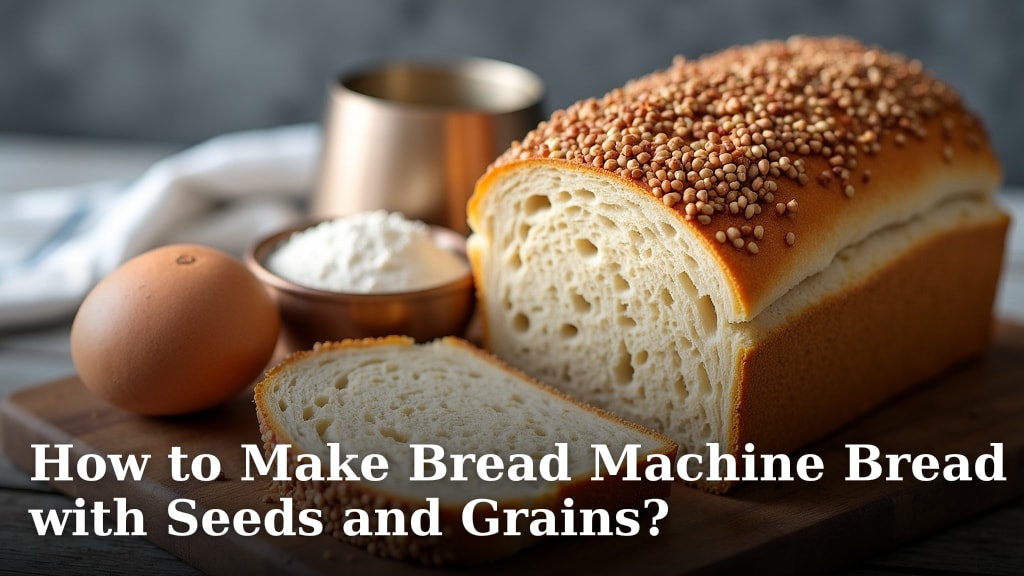
Yes, you can absolutely make delicious bread machine bread with seeds and grains right at home! It’s a fantastic way to add nutritional value and satisfying texture to your homemade loaves. This method is surprisingly simple and requires minimal effort on your part.
Adding seeds and grains like sunflower seeds, flax seeds, or even oats can transform your basic bread machine loaf into something truly special. We found that incorporating these wholesome ingredients not only boosts flavor but also makes your bread healthier. You can experiment with different combinations to find your perfect mix.
- Add seeds and grains for flavor and nutrition.
- Bread machines make the process super easy.
- Experiment with different seed and grain mixes.
- Enjoy healthy, homemade bread with minimal effort.
Ready to bake? Below, we’ll walk you through the simple steps to create your own amazing seed and grain bread machine loaf.
Baking Delicious Seed and Grain Bread in Your Machine
Making incredible bread machine bread with seeds and grains is simpler than you might think. Your bread maker does most of the work! You just need to add the right ingredients in the correct order. We’ve found this method consistently produces wonderful loaves. It’s a fantastic way to enjoy healthier, textured bread right from your kitchen.
Understanding the Basics of Seed and Grain Bread
Seed and grain breads offer a delightful chewiness and a nutty flavor. They also pack a nutritional punch. Seeds and whole grains are excellent sources of fiber, protein, and healthy fats. Many studies show that increasing fiber intake can support digestive health (National Institutes of Health). Adding them to your bread is an easy way to boost your daily nutrient intake. You’re not just making bread; you’re making a healthier choice.
Why Add Seeds and Grains?
Think of seeds and grains as your bread’s flavor and texture boosters. Sunflower seeds add a satisfying crunch. Flax seeds, when ground, add a subtle nutty taste and omega-3 fatty acids. Rolled oats contribute a soft chewiness and make the bread feel heartier. Even simple additions like sesame seeds can make a big difference. We found that a mix of different seeds and grains creates the most interesting and delicious result. It’s like adding a little personality to your loaf!
Choosing Your Seeds and Grains
The world of seeds and grains is vast and exciting! You can really let your creativity shine here. Consider what flavors and textures you enjoy most. Here are some popular and highly effective options for your bread machine.
Popular Seed Choices
- Sunflower Seeds: Offer a mild, nutty flavor and a good crunch. Shelled and unsalted are usually best.
- Flax Seeds: Either whole or ground. Ground flax seeds are easier for your body to absorb nutrients from.
- Sesame Seeds: Provide a delicate, nutty taste and a satisfying texture. Toasting them first can enhance their flavor.
- Poppy Seeds: Add a tiny crunch and a distinctive, slightly sweet flavor.
- Pumpkin Seeds (Pepitas): Similar to sunflower seeds, they offer a good crunch and a rich flavor.
Great Grain Options
- Rolled Oats: Also known as old-fashioned oats. They soften nicely during baking and add a wonderful chew.
- Wheat Berries: These whole grains need to be cooked before adding to the bread machine. They provide a substantial, chewy texture.
- Millet: Small, round grains that cook up fluffy and add a mild, slightly sweet taste.
- Quinoa: Cooked quinoa adds a tender texture and a boost of protein.
- Amaranth: Tiny grains that become slightly creamy when cooked.
Creating Your Seed and Grain Mix
You don’t need to use just one type! We found that combining 2-3 different seeds and grains often yields the best results. A common and delicious mix includes rolled oats, sunflower seeds, and flax seeds. Aim for a total of about 1/2 cup to 1 cup of seeds and grains per standard loaf. Too many can sometimes affect the bread’s rise, so start conservatively.
The Bread Machine Process: Step-by-Step
Your bread machine is designed for ease. Follow these steps for a perfect seed and grain loaf. The order of ingredients is important for how the machine mixes and kneads.
Gathering Your Ingredients
You’ll need your basic bread ingredients plus your chosen seeds and grains. Standard ingredients include flour, water, yeast, salt, and a little sugar or honey. For a 1.5 lb loaf, a typical recipe might call for:
- 1 cup warm water (around 105-115°F or 40-46°C)
- 1/4 cup oil or melted butter
- 1-2 tablespoons sugar or honey
- 1 teaspoon salt
- 3 cups bread flour
- 1 teaspoon instant or active dry yeast
- 1/2 cup to 1 cup of your seed and grain mix
Adding Ingredients to the Pan
This is where your bread machine shines. Most machines have a specific order for adding ingredients. Always check your machine’s manual, but a common sequence is:
- Liquids First: Pour your water, oil, and any liquid sweetener (like honey) into the bread pan.
- Dry Ingredients: Add flour on top of the liquids. Make sure it covers the liquid completely.
- Salt and Sugar: Sprinkle salt and granulated sugar (if using) over the flour, but try to keep them separate from the yeast at this stage.
- Yeast Last: Make a small well in the center of the flour and add your yeast. This keeps the yeast from activating too early by contacting the liquid.
Incorporating Your Seeds and Grains
This is the fun part! Most bread machines have a setting or an add-in signal. This is the fun part! Many machines have an “add-in signal” for seeds and grains.
Option 1: Add During Baking Cycle
The easiest method is to add your seeds and grains at the beginning, right on top of the flour before the yeast. Many machines will incorporate them during the kneading cycle. However, we found that some seeds might get a bit pulverized this way. For a better texture, use the machine’s “add-in” signal.
Option 2: Use the Add-in Signal
Many bread machines beep when it’s time to add mix-ins like seeds or nuts. This is usually partway through the first kneading cycle. When you hear the beep, carefully open the lid and evenly scatter your seeds and grains over the dough. Close the lid promptly. This ensures the seeds and grains are mixed in but don’t get over-kneaded.
Selecting the Right Cycle
Choose the cycle that best suits your ingredients. For most standard white or wheat breads, the “Basic” or “White” cycle works well. If you’re using whole wheat flour, select the “Whole Wheat” cycle. The machine adjusts the kneading and baking times accordingly. Many machines also have a “Rapid” or “Express” cycle, but we found that these can sometimes result in a less ideal texture, especially with added seeds and grains. A longer, slower cycle generally allows the flavors to meld better.
Troubleshooting Common Issues
Even with a bread machine, sometimes things don’t go perfectly. Don’t get discouraged! Most problems are easily fixed.
Bread Didn’t Rise Properly
This is a common issue. Ensure your yeast is fresh and wasn’t expired. Check that your liquid was warm enough but not too hot, as heat kills yeast. Also, verify you didn’t accidentally put salt directly on the yeast, as salt can inhibit its activity. Too many seeds and grains can sometimes weigh down the dough, so if this happens often, try reducing the amount slightly.
Seeds/Grains Sunk to the Bottom
This usually happens if the dough was too wet or if the seeds/grains were added too early and got pushed down during kneading. Ensure your dough consistency looks right. If using the add-in signal, try adding them just a bit later in the cycle. Sometimes, lightly coating the seeds in a tablespoon of flour before adding them can help them suspend better.
Crust is Too Light or Too Dark
Most bread machines have crust settings (Light, Medium, Dark). If your crust isn’t to your liking, simply select a different setting next time. For specific seeds like poppy or sesame, a darker crust might slightly toast them, which is often desirable.
A Simple Checklist for Success
Keep these points in mind for your next amazing loaf:
- Fresh Yeast is Key: Always check the expiration date.
- Correct Liquid Temperature: Warm, not hot!
- Ingredient Order Matters: Liquids first, yeast last.
- Seeds & Grains: Add via signal or early in kneading.
- Choose the Right Cycle: Basic or Whole Wheat usually works best.
- Observe Your Dough: Adjust water if needed for consistency.
Conclusion
You’ve learned how simple it is to make delicious bread machine bread packed with seeds and grains. Your bread maker takes the heavy lifting out of baking. You can easily boost your loaves with fiber, texture, and great flavor. Experiment with your favorite seeds and grains to find your perfect combination.
Ready to bake? Grab your bread machine and your favorite seeds. Your next amazing, homemade loaf is just a few simple steps away!
Frequently Asked Questions
What’s the best type of flour for seed and grain bread in a bread machine?
For most seed and grain breads, bread flour is your best bet. It has a higher protein content, which helps create a good structure for the heavier additions. You can also experiment with whole wheat flour for a heartier loaf, but you might need to adjust liquid slightly. You can also experiment with whole wheat flour for a heartier loaf.
Can I add seeds and grains to any bread machine recipe?
Generally, yes, you can add seeds and grains to most standard bread machine recipes. Just be mindful of the total amount you add. We recommend starting with about 1/2 cup to 1 cup for a standard loaf to avoid weighing down the dough too much.
Should I toast my seeds before adding them to the bread machine?
Toasting your seeds beforehand can really enhance their flavor and add a nice nuttiness. It’s an optional step, but we found it makes a noticeable difference in the final taste. Make sure they cool completely before adding them to the bread pan.
What if my bread machine doesn’t have an “add-in” signal?
If your machine lacks an add-in signal, don’t worry! You can add your seeds and grains toward the end of the first kneading cycle. Listen for when the dough looks well-mixed and is forming a cohesive ball. Carefully open the lid and add them then.
How do I prevent seeds and grains from sinking to the bottom of the loaf?
A common trick is to lightly coat your seeds and grains in a tablespoon of flour before adding them. This helps them suspend better in the dough. Also, ensure your dough consistency is correct – not too wet – and add the mix-ins at the right time during kneading.
