
How to Thaw Frozen Bread Machine Bread?
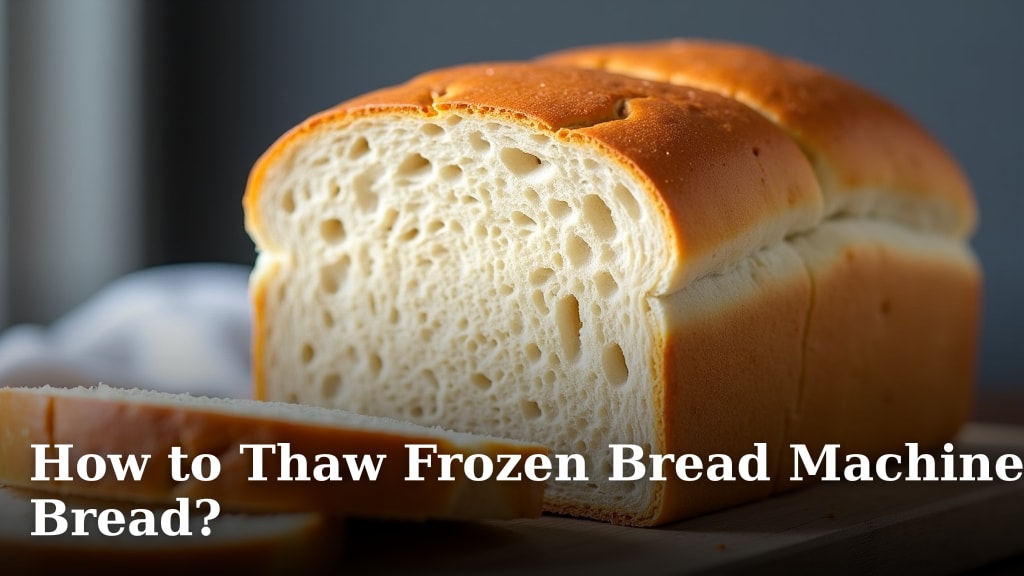
Yes, you can absolutely thaw frozen bread machine bread! The quickest way is to use your oven or toaster on a low setting. For a whole loaf, preheating your oven to Yes, you can absolutely thaw frozen bread machine bread; our guide explains how.300-350°F (150-175°C) for about 15-20 minutes should do the trick. Smaller pieces will thaw much faster. You’ll want to thaw it until it’s no longer frozen solid.
We know how frustrating it can be to forget to take bread out of the freezer. Luckily, there are several easy methods for thawing. You can also thaw it at room temperature, which takes a bit longer but is super simple. Just be sure to avoid using a microwave, as it can make the bread tough and chewy. We found this to be the most common pitfall.
- Thaw frozen bread machine bread in the oven or toaster.
- Use a low oven temperature (300-350°F) for whole loaves.
- Room temperature thawing is an option, though slower.
- Avoid using the microwave to prevent tough bread.
Ready to rescue that frozen loaf? Let’s walk through the best ways to get your delicious bread machine bread ready to enjoy again, step by step.
Reviving Your Frozen Bread Machine Loaf
So, you’ve got a delicious loaf of bread machine bread tucked away in the freezer. That’s great planning! But now you’re craving a slice, and it’s still as hard as a brick. Don’t worry, getting that bread back to its fresh-baked glory is easier than you think. We’ll walk you through the best methods to thaw it out without ruining its texture.
Quick Thawing Methods for Impatience
When you need bread fast, waiting for it to thaw at room temperature just won’t cut it. Luckily, a few quick methods can get you from frozen to fantastic in no time. These are perfect for when that bread craving hits hard and you don’t have hours to spare.
Using Your Oven for Speedy Thawing
Your oven can be your best friend for quickly thawing bread. It provides gentle, consistent heat that works wonders. We found this method to be incredibly effective for whole loaves or even larger pieces.
Thawing a Whole Loaf in the Oven
For a whole loaf, preheating your oven is the way to go. Aim for a temperature between 300-350°F (150-175°C). Place your frozen loaf directly on the oven rack or on a baking sheet. It usually takes about 15-20 minutes for a standard-sized loaf to thaw completely. You’ll know it’s ready when it no longer feels frozen solid to the touch. Some folks even suggest wrapping the loaf loosely in foil for the first part of the thawing process, then unwrapping it for the last few minutes to crisp up the crust.
Thawing Slices or Smaller Pieces
If you only need a slice or two, this method is even faster. You can toast them directly from frozen. Or, if you need them thawed but not toasted, lay them on a baking sheet and pop them into a 350°F (175°C) oven for just 5-10 minutes. Keep a close eye on them, as they can go from thawed to slightly dried out very quickly.
The Toaster Method for Single Servings
Got a toaster? That’s your quickest ticket to thawed and toasty bread! This is ideal for individual slices you want to enjoy right away. It’s like magic for breakfast.
Toasting From Frozen
Most modern toasters have a setting that’s perfect for this. Simply place your frozen slice into the toaster slot. Select a slightly longer toasting time than you normally would for fresh bread. You might need to experiment a little with your toaster’s settings to find the sweet spot. The heat from the toaster will thaw and toast the bread simultaneously. We found that often, one cycle is enough to get it perfectly thawed and golden brown. It’s a really convenient option.
When Not to Use Your Toaster
This method is best for slices. Trying to thaw a whole loaf in a toaster is, well, not possible! Stick to the oven for anything larger than a single serving. Also, be mindful of the bread’s sugar content; some breads might toast faster or burn more easily.
The Gentle Art of Room Temperature Thawing
Sometimes, you have the luxury of time. In those cases, allowing your bread to thaw at room temperature is a wonderfully simple and effective method. It requires minimal effort on your part.
Thawing a Whole Loaf at Room Temperature
Take your frozen loaf out of its freezer packaging. Place it on a wire rack on your kitchen counter. This allows air to circulate around the entire loaf, preventing sogginess. Depending on the size of the loaf and your room’s temperature, this can take anywhere from 2 to 5 hours. For best results, we found it helps to loosely tent it with foil, especially if your kitchen is warm, to prevent the crust from drying out too much before the inside is fully thawed. Once it’s no longer frozen in the center, you can remove the foil if you like a crispier crust.
Thawing Slices or Smaller Pieces
Individual slices or rolls will thaw much faster at room temperature. You can leave them on the counter, perhaps on a plate or a small rack, for about 30 minutes to an hour. They’ll be ready to eat or use in recipes before you know it. This is a great way to prepare bread for sandwiches or French toast without any fuss.
What About the Microwave? (Spoiler: Don’t Do It!)
You might be tempted to zap your bread in the microwave to speed things up even more. We strongly advise against this. While it might seem like a quick fix, microwaves tend to cook bread unevenly and can make the texture tough and rubbery. Many culinary experts agree that the heat from a microwave can alter the starch structure in bread, leading to an unpleasant, chewy consistency (Food Safety Magazine). It’s a shortcut that often leads to disappointment. Stick to the oven, toaster, or room temperature methods for the best outcome.
Checking for Doneness: Is It Fully Thawed?
How do you know when your bread is truly thawed and ready to eat? It’s quite simple, really. Gently squeeze the loaf. If you feel any hardness or coldness in the center, it’s still frozen. Give it more time. For whole loaves, you can also use a thin knife or skewer to gently poke into the center. If it goes in easily and feels soft, it’s thawed. You can also press the crust; it should feel soft, not stiff and frozen.
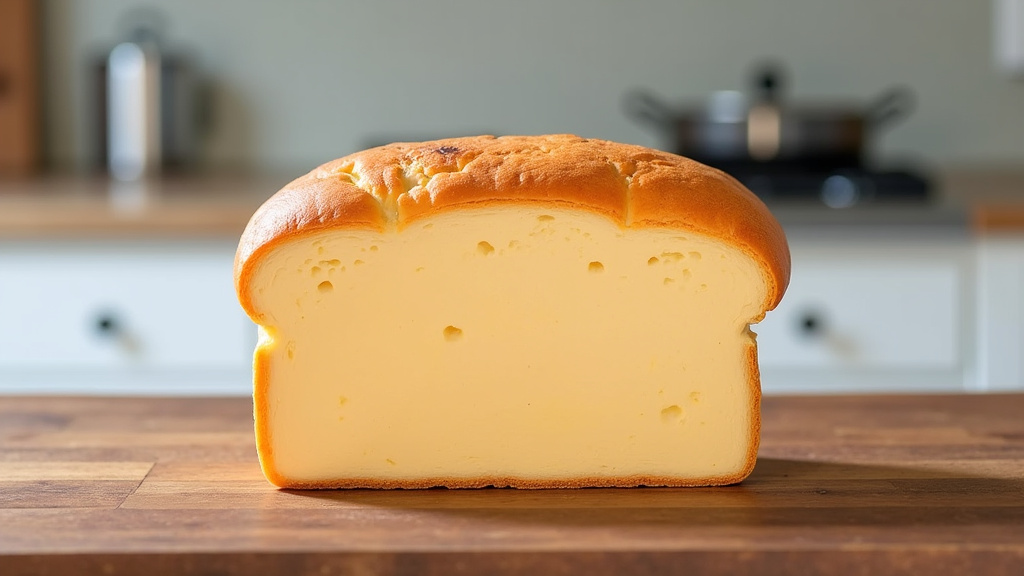
Tips for the Best Thawed Bread Experience
To ensure your thawed bread tastes as close to fresh as possible, keep these tips in mind:
- Cool Completely: If you’re reheating a fully thawed loaf to crisp the crust, let it cool slightly before slicing.
- Moisture Check: If the bread seems a little dry after thawing, a quick brush of melted butter or olive oil on the crust before a brief oven warm-up can work wonders.
- Storage is Key: Always ensure your bread is properly wrapped before freezing to prevent freezer burn. Double-bagging in freezer-safe bags or using plastic wrap followed by foil is a good practice.
- Don’t Refreeze: Once thawed, it’s best not to refreeze bread. The quality will degrade significantly with each freeze-thaw cycle.
Thawing Options at a Glance
Here’s a quick comparison to help you choose the best method for your needs:
| Method | Best For | Approximate Time | Effort Level | Texture Outcome |
|---|---|---|---|---|
| Oven (Whole Loaf) | Whole loaves, large pieces | 15-20 minutes | Low | Soft interior, potentially crisp crust |
| Oven (Slices) | Individual slices | 5-10 minutes | Low | Quickly thawed, slightly crisp |
| Toaster | Single slices | 2-4 minutes (per cycle) | Very Low | Thawed and toasted |
| Room Temp (Whole Loaf) | Whole loaves, larger pieces | 2-5 hours | Very Low | Soft, moist interior and crust |
| Room Temp (Slices) | Individual slices, rolls | 30-60 minutes | Very Low | Soft, ready to use |
Your Thawing Checklist
Ready to bring that bread back to life? Follow this simple checklist:
- Choose your thawing method based on time and loaf size.
- For oven methods, preheat to 300-350°F (150-175°C).
- Use a wire rack for room temperature thawing to allow air circulation.
- Gently squeeze or poke to check if the bread is fully thawed.
- Avoid the microwave at all costs!
- Enjoy your delicious, revived bread machine loaf!
Conclusion
You’ve learned how easy it is to rescue that frozen loaf of bread machine bread! We covered quick oven and toaster methods, plus the gentle touch of room temperature thawing. Remember, the microwave is a no-go for keeping your bread tender and delicious. By choosing the right method for your time and needs, you can enjoy your homemade bread anytime. So next time a craving strikes, just grab that frozen loaf and follow these simple steps to bring it back to life!
Frequently Asked Questions
Can I thaw frozen bread machine bread overnight?
Yes, you can thaw your frozen bread machine bread overnight at room temperature. Just take it out of the freezer packaging and place it on a wire rack on your counter. This allows for good air circulation and will result in a soft, ready-to-eat loaf by morning.
How long does it take to thaw bread machine bread slices in the oven?
Thawing individual slices or smaller pieces in the oven is very quick. Lay them on a baking sheet and place them in a preheated oven at 350°F (175°C). They should be thawed in about 5 to 10 minutes. Keep a close eye on them to prevent them from drying out.
What’s the best way to prevent freezer burn on bread machine bread?
Proper storage before freezing is key to preventing freezer burn. We found that double-bagging your bread in freezer-safe bags works well. Alternatively, wrapping it tightly in plastic wrap first, then covering it with aluminum foil, offers excellent protection.
Will my thawed bread machine bread be as good as fresh?
With the right thawing method, your bread machine bread will be wonderfully close to fresh. Using the oven or toaster can even give it a lovely crisp crust. Room temperature thawing preserves a soft texture. Avoiding the microwave is the most important step for maintaining a pleasant texture.
Should I reheat thawed bread machine bread?
Reheating is optional, but it can enhance your thawed bread experience. A brief warm-up in the oven (around 300-350°F for a few minutes) can refresh the crust and interior, making it even more enjoyable, especially if it feels a bit dry after thawing.
