
How to Score Sourdough Bread?
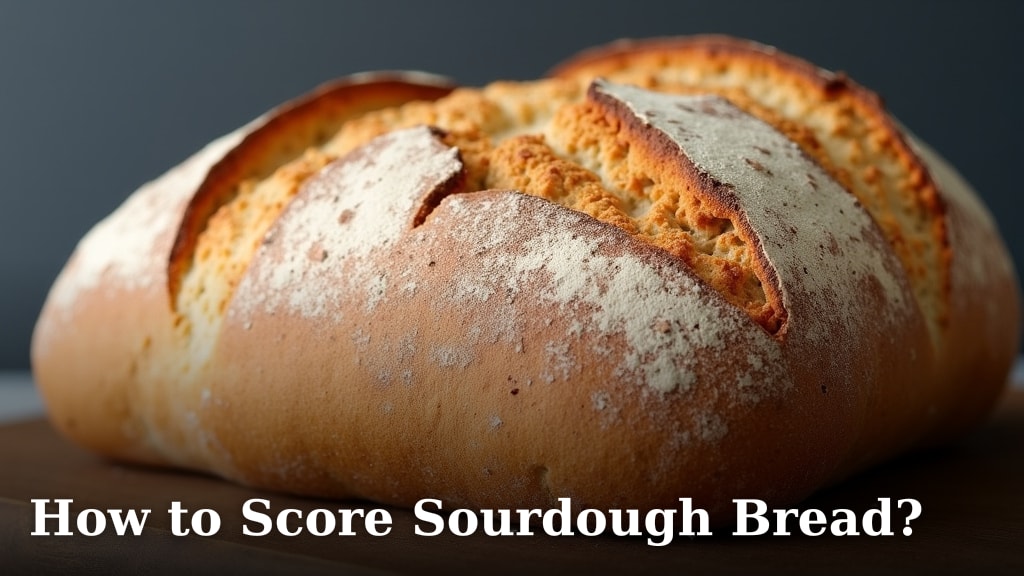
Scoring sourdough bread is all about creating the perfect score line on your dough before baking. This allows your bread to expand beautifully in the oven, giving it that signature open crumb and rustic look. You want to use a sharp blade at a slight angle for the best results.
Getting a good score can seem tricky, but it really comes down to a few key techniques. A well-scored loaf not only looks impressive but also bakes more evenly. Many bakers have found that practicing this step makes a huge difference in their final loaf’s appearance and texture. Proper scoring helps control where the bread expands, preventing blowouts.
- Use a sharp razor or lame.
- Score quickly and confidently.
- Aim for a depth of about 1/4 to 1/2 inch.
- Experiment with different scoring patterns.
Ready to master the art of sourdough scoring? Let’s dive into the simple steps that will have you baking gorgeous loaves in no time.
Mastering the Art of Scoring Your Sourdough Loaf
Scoring sourdough is more than just making pretty lines on your bread. It’s a functional step that guides how your bread expands during baking. This controlled expansion is what gives sourdough its signature “ear” and open crumb. Without proper scoring, your loaf might burst in unexpected places, leading to a less attractive and potentially denser bread.
Think of scoring like giving your dough a gentle roadmap for its oven spring. You’re telling it, “Here, expand *this* way!” It’s a surprisingly simple technique that makes a huge difference in your final bake. We’ve found that even a little practice with scoring can dramatically improve your sourdough results.
Why Scoring Your Sourdough Matters
You might be wondering, why bother with scoring? It’s not just for aesthetics, although beautiful scores do make for impressive loaves! Scoring serves a very important purpose in sourdough baking.
Controlling Oven Spring
When sourdough hits the hot oven, the yeast and steam inside the dough cause it to expand rapidly. This is called oven spring. If the dough can’t expand evenly, it will find the weakest point and burst, or “blow out.” Scoring creates a deliberate weak point for the dough to expand outwards, resulting in a more controlled and beautiful rise.
Achieving the Perfect Crumb
The way your bread rises directly impacts its crumb structure. A loaf that expands evenly due to good scoring will often have a more open, airy crumb. This means more of those delightful nooks and crannies that sourdough lovers crave. Research has shown that controlled expansion leads to a more consistent interior texture (Journal of Food Science).
Aesthetic Appeal
Let’s be honest, a well-scored loaf just looks fantastic! That beautiful “ear” that forms along the score line is a hallmark of artisan sourdough. It gives your bread a rustic, professional look that makes it a joy to serve and share. Many bakers find the scoring process to be a meditative and rewarding part of their baking routine.
Tools of the Trade: What You Need for Scoring
To get started with scoring, you don’t need much, but having the right tools makes a big difference. You want sharp, precise instruments to make clean cuts.
The Scoring Blade: Lame vs. Razor Blade
The most common tool for scoring sourdough is called a “lame.” A lame is essentially a razor blade holder designed for scoring dough. Many bakers prefer lames because they offer a comfortable grip and allow for precise control. You can find lames with single or double-edged blades.
Alternatively, a simple, clean razor blade can also work. Some bakers use the type of blade found in a utility knife or craft knife. Just be extra careful when handling these sharp blades. We’ve found that using a blade that is fresh and sharp is absolutely key, no matter which tool you choose.
Other Helpful (But Not Essential) Tools
While not strictly necessary, a few other items can make the scoring process smoother:
- A bench scraper: Useful for handling and shaping the dough before scoring.
- A bread lame holder or parchment paper: To protect your fingers if you’re not using a fancy lame.
- A light dusting of flour: This can prevent the blade from sticking to very wet dough.
The Scoring Technique: Step-by-Step
Now for the fun part! Getting the perfect score involves a few key actions. The most important thing is to be quick and confident.
Preparing Your Dough
Ensure your sourdough dough has completed its bulk fermentation and final proofing. It should be well-chilled from the refrigerator, as this makes it firmer and easier to score. Cold dough is less likely to tear or stick to your blade. Gently transfer your proofed loaf onto your baking surface or parchment paper.
Making the Cut: Angle and Depth
This is where the magic happens. You want to hold your scoring tool at a slight angle, typically around 30 degrees. Imagine you’re trying to shave a thin layer off the dough, not cut straight down. This angle helps create that lovely ear during baking.
The depth of your score is also important. Aim for about 1/4 to 1/2 inch deep. Too shallow, and it won’t open up properly. Too deep, and you might deflate the loaf or cause it to spread too much. Many experienced bakers find this depth to be the sweet spot for consistent results.
Speed and Confidence are Key
This is perhaps the most critical advice we can offer. When you score, do it in one swift, decisive motion. Hesitation can lead to jagged cuts or tearing. Take a deep breath, position your blade, and make your cut smoothly. You don’t need to press down excessively; let the sharp blade do the work. Confidence here is your best friend.
Common Scoring Patterns
While a simple single slash is effective, many bakers love to experiment with different patterns. Here are a few popular ones:
- The Single Slash: A basic, diagonal cut down the length of the loaf. Classic and effective.
- The Cross: Two intersecting slashes to create a simple cross shape.
- The Square: A score around the perimeter of the loaf, about an inch in from the edge. This encourages the center to puff up.
- Leaf or Swirl Patterns: More decorative cuts, often done with practice. These typically involve curved lines or overlapping slashes.
Don’t be afraid to try different patterns! Sometimes, the most beautiful loaves come from a moment of creative impulse. Just remember to keep your cuts clean and at the right angle.
Troubleshooting Common Scoring Issues
Even with the best intentions, sometimes things don’t go perfectly. Here are a few common problems and how to address them.
The Blade is Sticking
If your blade is sticking, the dough might be too wet or warm. Try chilling the dough for another 15-30 minutes. A tiny bit of rice flour dusted on the surface can also help prevent sticking without affecting the bake. Make sure your blade is also perfectly clean and sharp.
The Score Line Isn’t Opening Up
This can happen if the score is too shallow, not made at the correct angle, or if the dough wasn’t properly proofed. Ensure your score is deep enough (1/4 to 1/2 inch) and at that 30-degree angle. Sometimes, a loaf that is slightly over-proofed might not have enough “oomph” for a dramatic oven spring.
The Loaf Blows Out Elsewhere
This usually means the score wasn’t deep or confident enough, or there’s another weak point in the dough’s structure. Try making your score slightly deeper or more decisive next time. Also, ensure your dough has a good structure from strong gluten development during kneading and folds.
Your Sourdough Scoring Checklist
Ready to put this into practice? Keep this quick checklist handy for your next bake:
- Ensure dough is well-chilled.
- Use a very sharp blade or lame.
- Hold the blade at a slight angle (approx. 30 degrees).
- Score quickly and confidently in one motion.
- Aim for a depth of 1/4 to 1/2 inch.
- Experiment with patterns once you’re comfortable!
Conclusion
You’ve now learned how scoring your sourdough is more than just looks – it’s a functional art that controls oven spring and enhances crumb. Remember, a sharp blade, a slight angle, and a quick, confident motion are your best friends for that perfect “ear.” Don’t be discouraged by initial attempts; practice is key to mastering this technique. Grab your lame or razor, preheat your oven, and get ready to score your next loaf with newfound confidence. Your beautiful sourdough awaits!
Frequently Asked Questions
How deep should I score my sourdough bread?
Aim for a depth of about 1/4 to 1/2 inch. This depth is usually enough to allow for good oven spring without deflating the loaf. Too shallow, and it might not open properly; too deep, and you risk it spreading too much.
What’s the best way to hold a scoring lame?
Hold your scoring lame firmly but comfortably, much like you would hold a pen or a pencil. The angle of the blade is more important than how hard you grip. Proper grip allows for precise control and a clean, decisive cut.
Can I score my sourdough right before baking?
Yes, scoring is always done just before your sourdough goes into the oven. The dough should be well-chilled and firm from its final proof. This makes it easier to handle and score cleanly.
My bread didn’t develop an “ear.” What did I do wrong?
An absent “ear” can be due to a few things: the score might have been too shallow, not at the right angle, or perhaps the dough was too warm and sticky. Ensure you’re using a sharp blade and a confident, angled cut for best results.
Is it okay to use a kitchen knife for scoring?
While a specialized lame is recommended, you can use a very sharp utility or craft knife blade in a pinch. The most critical factor is that the blade is extremely sharp and clean to make a precise cut. Handle any sharp blade with extreme caution.
