
Is a Dutch Oven Better Than a Bread Machine for Crusty Bread?
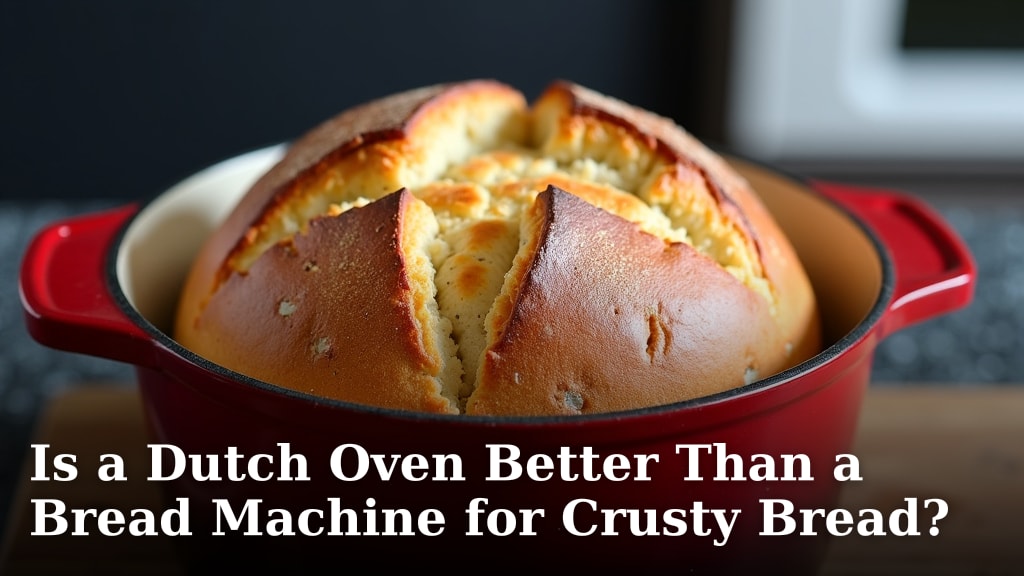
For that perfect crusty loaf, a Dutch oven often has the edge over a bread machine. While a bread machine automates the process, a Dutch oven provides the ideal environment for oven spring and a beautifully crisp crust. We found that the enclosed, humid space within a Dutch oven mimics a professional baker’s steam oven, giving your homemade bread that sought-after texture and golden-brown finish.
You might be wondering if the convenience of a bread machine can really compare to the results you can achieve with a Dutch oven. Many home bakers agree that while bread machines are great for simpler loaves, they often can’t replicate the deep, crackly crust a Dutch oven helps create. It’s about getting that restaurant-quality crust right in your own kitchen with a bit of hands-on effort and the right tool.
- Dutch ovens generally produce a superior crust.
- Bread machines offer convenience but less crust control.
- Dutch ovens create a humid environment for better oven spring.
- For artisanal crusty bread, a Dutch oven is often preferred.
Let’s break down why the Dutch oven typically wins for that amazing crusty bread you’re dreaming of.
Dutch Oven vs. Bread Machine: Which Reigns Supreme for Crusty Bread?
Many home bakers ask if a Dutch oven or a bread machine is better for achieving that perfect, crispy crust on their bread. We’ve found that for authentic, crusty loaves, the Dutch oven often takes the lead. It’s all about the environment it creates in your oven.
Understanding the Science Behind a Great Crust
What exactly makes a crust nice and crispy? It’s a combination of heat, steam, and time. When bread bakes, the crust forms as the water on the surface turns to steam. This steam keeps the dough elastic for a bit longer. This allows the loaf to expand fully, giving you that wonderful “oven spring.”
Once that initial expansion is done, the crust begins to brown and crisp up. A good crust needs intense heat and a way to trap moisture in the early stages. This is where the magic happens, and different tools perform this task differently.
The Role of Steam in Baking
Think about professional bakeries. They often use special steam ovens. These ovens inject steam, which is key to developing a bakery-worthy crust. The steam keeps the surface of the dough moist and pliable. This allows the bread to rise to its full potential before the crust sets.
Without enough steam, the crust can form too early. This can result in a dense loaf with a less desirable texture. The goal is to delay crust formation just long enough for maximum rise. Then, you want that crust to become wonderfully golden and crisp.
How a Dutch Oven Works Its Magic
A Dutch oven is essentially a heavy, lidded pot, usually made of cast iron. When you preheat it in your oven, it gets incredibly hot. You then place your shaped dough inside this hot pot. You bake it with the lid on for the first part of the cooking time.
This lid-on phase is where the Dutch oven shines for crusty bread. The trapped heat and moisture inside the pot create a super-steamy environment. It’s like giving your loaf a personal steam bath. This is what allows for that beautiful oven spring we talked about.
The Dutch Oven’s Impact on Oven Spring
During the first 20-30 minutes of baking, the lid of the Dutch oven seals in the moisture released from the dough. This builds up steam inside. Your dough can expand freely without drying out too quickly. We found that this controlled environment really helps develop a more open crumb structure too.
Many bakers report a noticeable difference in rise when using a Dutch oven. The initial burst of heat from the pot also helps. It gives the dough a strong push upward. This contributes to a taller, lighter loaf.
Achieving That Coveted Crust
After the initial covered baking period, you remove the lid. Now, the hot, dry air of your oven can directly hit the loaf. This is when the crust starts to develop its signature crispness and beautiful brown color. The cast iron also retains heat very well, providing consistent temperature.
This two-stage cooking process – first steamy, then dry and hot – is what gives Dutch oven bread its characteristic crackly crust. It’s a method that closely mimics professional baking techniques. Many experts suggest this is why the results are so consistently good.
What About Bread Machines for Crusty Bread?
Bread machines are fantastic for convenience. You toss in your ingredients, press a button, and walk away. They handle kneading, rising, and baking all in one unit. This makes them a popular choice for busy households.
However, when it comes to achieving a truly artisanal, crusty loaf, bread machines have limitations. Their design prioritizes ease of use over crust development. They typically bake the bread in a horizontal pan.
The Convenience Factor
Let’s be honest, the convenience of a bread machine is hard to beat. You can have fresh bread with minimal effort. The machine takes care of the entire process. You don’t need to worry about kneading technique or proofing times.
For simple sandwich breads or softer loaves, they are excellent. You get a decent loaf with very little work. This is a huge plus for anyone new to baking or short on time. We’ve seen many people enjoy this aspect greatly.
Limitations in Crust Formation
The main drawback of a bread machine for crusty bread is the baking environment. Most machines bake the bread in an open environment. They don’t create the high-humidity, enclosed space that a Dutch oven provides. Some machines have crust settings, but they can’t replicate the intense, steamy bake of a Dutch oven.
The vertical baking pan also means the crust can be a bit more uniform. It often lacks the irregular, crackly texture you get from a free-form loaf baked in a Dutch oven. We found that the crust is often softer and less robust compared to other methods.
Steam and Oven Spring in a Bread Machine
Bread machines generally don’t have a dedicated steam function during baking. They rely on the moisture within the dough itself. This means the oven spring might not be as dramatic as in a Dutch oven. The crust can also set faster, potentially leading to a denser loaf.
While some advanced models might offer slight variations, they typically don’t offer the same level of control over the baking environment. This is a key difference when you’re aiming for that specific, crackly crust.
Comparing the Results: A Side-by-Side Look
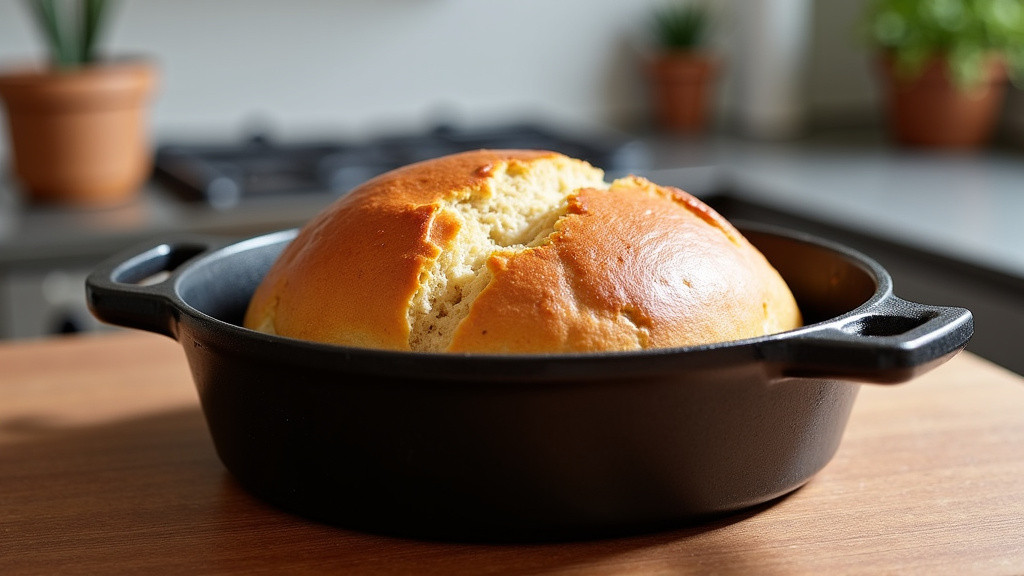
Let’s sum up what we’ve discussed. When your heart is set on that perfect, crackly crust, the Dutch oven has some distinct advantages. The bread machine offers unparalleled ease of use.
| Feature | Dutch Oven | Bread Machine |
|---|---|---|
| Crust Quality | Excellent, crackly, deep brown | Softer, more uniform, less robust |
| Oven Spring | Superior, due to trapped steam | Good, but often less dramatic |
| Ease of Use | Requires hands-on shaping and transfer | Automated, minimal effort |
| Environment | Controlled, steamy, then dry heat | Open air, less humidity control |
| Best For | Artisanal loaves, crusty breads | Convenience, sandwich breads, softer loaves |
Tips for Maximizing Your Crusty Bread Success
Whether you choose a Dutch oven or a bread machine, a few tips can help you get the best results. It’s about understanding the dough and the baking process.
- Preheat thoroughly: Make sure your Dutch oven is screaming hot before you add the dough. For a bread machine, ensure it’s at room temperature.
- Don’t overcrowd: If using a Dutch oven, ensure your dough has room to expand. Don’t make a loaf that’s too large for your pot.
- Experiment with recipes: Different recipes have different hydration levels. Some are better suited for specific baking methods.
- Cool completely: Always let your bread cool on a wire rack. This allows the crust to fully develop and prevents a soggy bottom.
- Listen for the crackle: A well-baked crust will often crackle as it cools. That’s the sound of success!
Is It Worth the Effort?
For many home bakers, the extra effort involved with a Dutch oven is absolutely worth it. The satisfaction of pulling out a beautiful, crusty loaf that you made yourself is immense. It’s a rewarding process that engages your senses.
While a bread machine simplifies things greatly, it can’t quite replicate that deep, satisfying crunch. If a perfect crust is your ultimate goal, investing a little more time and effort into using a Dutch oven will likely bring you closer to your baking dreams. Many food bloggers and recipe developers agree that the Dutch oven method is superior for rustic, crusty breads (Serious Eats). It’s a technique that has stood the test of time for good reason.
Conclusion
For that truly artisanal, crackly crust, your Dutch oven is likely your best bet. We found that its ability to create a humid, steamy environment in the initial baking phase allows for superior oven spring and that sought-after crisp exterior. While bread machines offer incredible convenience for simpler loaves, they simply can’t replicate the texture a Dutch oven provides. If you’re dreaming of that bakery-quality crunch at home, consider mastering your Dutch oven technique. Your next delicious, crusty loaf awaits!
Frequently Asked Questions
Can a bread machine *ever* make a crusty bread?
While bread machines are fantastic for convenience, they generally produce softer crusts. Their baking environment lacks the trapped steam that a Dutch oven provides. You might get a bit more crispness on certain settings, but it won’t be the same deep, crackly crust.
What kind of Dutch oven is best for baking bread?
A heavy-duty cast iron Dutch oven with a tight-fitting lid is ideal. The material retains heat exceptionally well, and the lid seals in moisture, creating the perfect steamy environment needed for a great crust and oven spring.
Is a bread machine better if I’m a beginner baker?
For absolute beginners or those prioritizing ease, a bread machine is a great starting point. It handles all the technical steps for you. However, if your goal is crusty bread, learning the Dutch oven method, while more hands-on, is more rewarding for that specific outcome.
How long should I bake bread in a Dutch oven?
Typically, you’ll bake bread in a Dutch oven with the lid on for the first 20-30 minutes, and then with the lid off for another 20-30 minutes, or until the crust is a deep golden brown and sounds hollow when tapped.
Can I bake crusty bread without a Dutch oven or bread machine?
Yes, you can! You can create steam in a conventional oven by placing a pan of water on the rack below your baking bread, or by using a preheated baking stone with a steam pan. This helps mimic some of the conditions a Dutch oven provides for better crust development.
