
How To Make Jam In A Bread Maker?
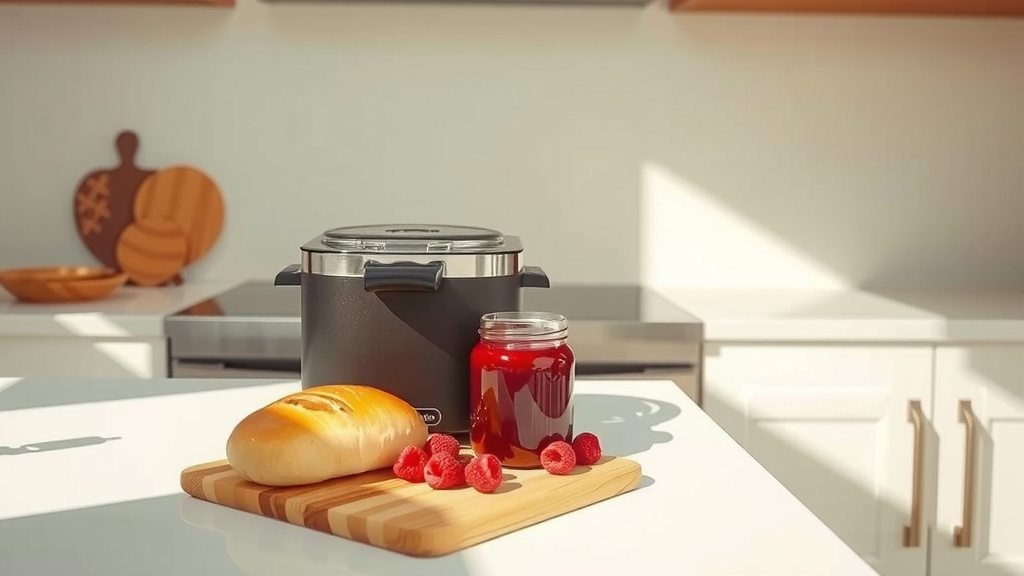
Making jam in a bread maker is surprisingly simple and requires minimal effort, as the machine mixes, cooks, and stirs for you.
You can create delicious homemade jam with fresh fruit, sugar, and pectin, often using a dedicated jam or marmalade cycle.
For those short on time, here’s the gist of making jam with your bread maker:
- Your bread maker simplifies jam-making by automating the stirring and cooking process.
- Gather fresh fruit, sugar, pectin, and a splash of lemon juice for the best results.
- Select the machine’s specific “Jam” or “Marmalade” setting to ensure proper cooking.
- Always sterilize your jars before filling them to keep your delicious jam fresh.
- Test your jam’s consistency using the “wrinkle test” to achieve the perfect set.
How To Make Jam In A Bread Maker?
Making jam in a bread maker is a fantastic way to enjoy homemade goodness with less fuss and continuous stirring.
The machine does the hard work, cooking and stirring your ingredients into a sweet, fruit-filled spread.
Why Use Your Bread Maker for Jam?
Ever wish jam-making was easier? Your bread maker answers that call!
It acts like a tiny, attentive chef, constantly stirring the fruit mixture, so you don’t have to stand over a hot stove.
This means less risk of scorching and a much more relaxed cooking experience for you.
Many busy individuals find this method a true time-saver (Research by food blogs often highlights this benefit).
What You’ll Need: Ingredients and Tools
Before you dive in, let’s gather our jam-making essentials.
You’ll need ripe fruit, sugar, and sometimes pectin. A little lemon juice also helps with flavor and setting.
For tools, grab measuring cups, spoons, and, of course, some clean jars ready for your delicious creation.
Choosing Your Fruit Wisely
The best jams start with the best fruit, wouldn’t you agree?
Look for fruit that is perfectly ripe and in season; it will give your jam the most vibrant flavor.
Berries like strawberries or blueberries are popular choices, as are peaches or apricots. We found that fresh, firm fruit yields superior jam quality.
Pectin or No Pectin? That Is the Question!
Pectin is a natural gelling agent that helps jam set. Some fruits, like apples and citrus, are naturally high in pectin.
Others, like strawberries, benefit from added pectin for a firmer set. Don’t worry if you choose to skip it; your jam might just be a little softer.
Many experts say that commercial pectin ensures a consistent set, especially for lower-pectin fruits.
Step-by-Step Guide to Jam-Making
Ready to transform fruit into fantastic jam? Here’s a simple process to follow:
- Prepare your fruit: Wash, hull, peel, or chop your chosen fruit into small pieces.
- Measure ingredients: Carefully measure your fruit, sugar, lemon juice, and pectin (if using).
- Add to bread maker: Place all ingredients into the bread maker pan in the order suggested by your machine’s manual.
- Select cycle: Choose the “Jam” or “Marmalade” setting on your bread maker.
- Start the machine: Press start and let your bread maker work its magic.
- Test for set: When the cycle finishes, test your jam for proper consistency.
- Jar and seal: Ladle hot jam into sterilized jars and seal them properly.
Prepping Your Fruit
Think of this as the warm-up act for your jam.
Wash your fruit thoroughly, then remove any stems, cores, or pits. For larger fruits, chop them into small, even pieces.
This helps them cook down evenly in the bread maker, giving you a smooth, consistent jam texture.
Loading the Bread Maker
Placing ingredients in the right order can sometimes matter for optimal mixing.
Typically, you’ll start with the fruit, then add the sugar and lemon juice, and finally, the pectin on top if you’re using it.
Always check your bread maker’s manual; it might have specific layering instructions for jam.
Selecting the Right Cycle
Most modern bread makers come with a dedicated “Jam” or “Marmalade” cycle.
This cycle is programmed to provide the correct temperature and stirring for jam. If your machine lacks this option, you might need a different approach (we’ll cover that later).
We found that using the specific jam cycle offers the best hands-free experience.
Testing for Set: The Wrinkle Test
How do you know if your jam is truly ready? The “wrinkle test” is your secret weapon.
Chill a small plate in the freezer. When the jam cycle is done, spoon a little hot jam onto the cold plate.
Let it sit for a minute, then push it with your finger; if the surface wrinkles, your jam is perfectly set!
Jarring Your Homemade Jam
Once your jam is ready, it’s time to preserve that fresh flavor.
Sterilizing your jars is a non-negotiable step to prevent spoilage and ensure your jam lasts.
Carefully ladle the hot jam into the hot, sterilized jars, leaving a little headspace, then seal them tightly.
Storing Your Jam for Freshness
Proper storage means enjoying your jam for months to come.
Once sealed and cooled, store processed jams in a cool, dark place. Opened jars, or those not processed for long-term storage, belong in the refrigerator.
Many guidelines point to refrigeration for up to 3 weeks once opened (USDA).
Common Jam-Making Troubleshoots
Even the best chefs face challenges. Here’s a quick look at common jam issues and how to fix them:
| Problem | Possible Cause | Solution |
|---|---|---|
| Jam is too runny | Not enough pectin, not cooked long enough | Add more pectin (if applicable) and recook briefly, or cook longer on the stovetop. |
| Jam is too thick | Too much pectin, overcooked | Heat gently with a little water or fruit juice to thin, then re-jar. |
| Fruit separation | Uneven cooking, not stirred enough initially | Stir well before starting the cycle; ensure fruit pieces are small. |
Bread Maker Jam vs. Stovetop Jam
Are you wondering which method is right for you? Both have their perks!
The bread maker offers convenience, while stovetop methods give you more control. Here’s a quick comparison:
- Bread Maker: Hands-free operation, consistent stirring, less mess.
- Bread Maker: Limited batch size, less precise temperature control.
- Stovetop: Full control over heat, consistency, and batch size.
- Stovetop: Requires constant stirring, higher risk of scorching.
- Stovetop: More active involvement in the cooking process.
Conclusion
Making jam in your bread maker is a wonderfully straightforward process that takes the work out of preserving seasonal fruits. You get to enjoy fresh, homemade preserves with minimal effort and cleanup.
By following these simple steps and tips, you’ll be spreading your own delicious jam on toast in no time. It’s truly a rewarding experience, transforming simple ingredients into something special with the help of your trusty bread machine.
Can I make jam in a bread maker without pectin?
Yes, you can make jam without added pectin, especially if you use fruits naturally high in pectin like apples, cranberries, or citrus peels. The jam might have a softer set, more like a fruit spread, but it will still be delicious. You may need to cook it a bit longer to reach a thicker consistency.
How long does it take to make jam in a bread maker?
Typically, the dedicated jam or marmalade cycle on a bread maker runs for about 1 hour and 20 minutes to 1 hour and 30 minutes. This includes the heating, stirring, and cooking time. Prep time for fruit is separate but usually only takes 10-15 minutes.
What kind of fruits work best for bread maker jam?
Berries like strawberries, blueberries, raspberries, and blackberries are excellent choices for bread maker jam due to their natural sweetness and ease of preparation. Soft fruits like peaches, apricots, or plums also work wonderfully when chopped into small pieces.
Do I need to sterilize jars for bread maker jam?
Absolutely! Sterilizing your jars is a crucial step to prevent bacterial growth and ensure your homemade jam stays fresh and safe to eat for an extended period. You can sterilize jars in boiling water, in the oven, or using a dishwasher’s sanitizing cycle.
Can I double a jam recipe in my bread maker?
Generally, it’s not recommended to double jam recipes in a bread maker. The pan has a limited capacity, and exceeding it can lead to overflowing during the cooking process. Sticking to the recipe’s specified yield ensures proper cooking and prevents a sticky mess.
