Can You Buy Extra Bread Maker Pans?
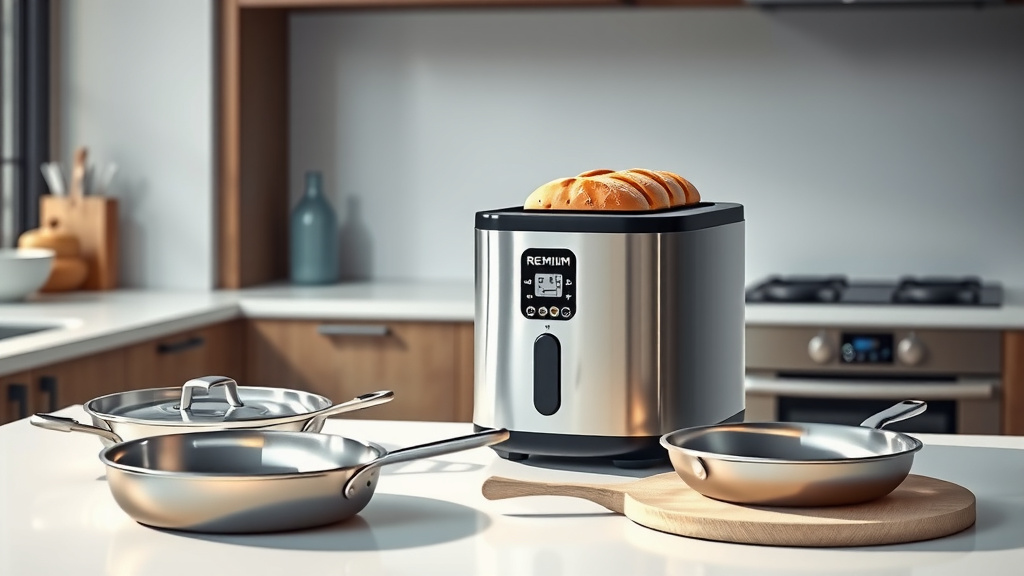
Yes, you can absolutely buy extra bread maker pans, often directly from the manufacturer or through various online retailers.
Having an extra bread maker pan is a smart move for bakers who use their machine frequently or want different pan sizes for various recipes.
Here’s the quick scoop on extra bread maker pans:
- You can buy spare pans from your machine’s maker or other sellers.
- Extra pans are handy for wear, different loaf sizes, or just a backup.
- Always match the pan to your bread maker’s specific model number for a good fit.
- Aftermarket pans exist, but check compatibility and user reviews carefully.
- Proper care can significantly extend the life of your bread maker pan.
Can You Buy Extra Bread Maker Pans?
Yes, you certainly can buy extra bread maker pans. Many bread machine owners find it a very practical choice for various reasons.
Finding a replacement or an additional pan is typically straightforward if you know where to look and what to consider.
Why Would You Need Another Bread Maker Pan?
You might wonder why someone would need more than one pan. Well, think about how often you bake!
An extra pan can be a real game-changer for enthusiastic home bakers. It offers flexibility and peace of mind.
Wear and Tear Happens
Just like any kitchen item, bread maker pans see a lot of action. The non-stick coating can wear down over time.
Frequent use, along with the constant mixing and kneading, puts stress on the pan. Having a spare means you are always ready to bake.
Different Loaf Sizes and Shapes
Some bread makers offer different pan sizes. Maybe you want a smaller loaf for just yourself, or a large one for a gathering?
An extra pan lets you switch between different capacities or shapes without needing a whole new machine.
Understanding Pan Types
Bread maker pans come in a few common types. Most are aluminum with a non-stick coating to prevent sticking.
Some might have ceramic coatings, or be designed for specific machine models. Knowing your pan type helps when seeking a replacement.
Where to Find Replacement Bread Maker Pans
So, you’ve decided an extra pan is a good idea. But where do you even start looking? Don’t worry, you have a few good options.
The key is to match your specific bread maker model. This ensures a proper fit and function, as we found through our research.
Direct from the Manufacturer
The most reliable place to start is often the bread maker’s manufacturer. Brands like Zojirushi, Cuisinart, or Panasonic often sell parts directly.
Visiting their official websites or contacting customer service is a sure way to find the exact pan for your model.
Online Retailers and Specialty Stores
Many popular online stores carry replacement bread maker parts. Think major e-commerce sites or dedicated appliance parts sellers.
These platforms often have a wide selection, sometimes even for older or discontinued models. Just be sure to double-check compatibility.
Tips for Buying the Right Pan
Buying an extra pan isn’t just about finding one that looks similar. A few important steps ensure you get the perfect match.
Taking a moment to verify details can save you time and the hassle of returns. We want your new pan to fit just right.
- Locate Your Model Number: This is non-negotiable. It’s usually on the bottom of your machine.
- Check Pan Dimensions: Even with a model number, comparing old pan dimensions to the new one is smart.
- Read Product Reviews: See what other buyers say about fit and quality.
- Verify the Manufacturer: Ensure the seller specifies it’s for your bread maker brand.
Considering Aftermarket Pans
Sometimes, original manufacturer pans can be pricey or hard to find. This is where aftermarket options step in.
Aftermarket pans are made by companies other than the original bread machine manufacturer. They aim to be compatible replacements.
Pros and Cons of Aftermarket Options
Is an aftermarket pan a good choice for you? Let’s weigh the benefits against the potential drawbacks.
Understanding these points helps you make a choice that best suits your needs and budget (Consumer Reports). It’s all about finding the right balance.
| Aspect | Original Manufacturer Pan | Aftermarket Pan |
|---|---|---|
| Fit & Compatibility | Guaranteed perfect fit for your specific model. | May vary; compatibility should be checked carefully. |
| Quality & Durability | Typically meets original factory specifications. | Can be good, but quality varies greatly between brands. |
| Price | Generally higher cost. | Often more budget-friendly. |
| Availability | Usually available for current models, older ones might be scarce. | Good for older models or hard-to-find originals. |
Caring for Your Bread Maker Pan
Whether you have one pan or several, proper care keeps them working well. This extends their life and saves you money in the long run.
A little attention after each bake goes a long way. This includes how you clean and store your valuable bread making tool.
Simple Cleaning Habits
Always let the pan cool completely before cleaning. Use warm, soapy water and a soft sponge or cloth.
Avoid abrasive scrubbers or harsh detergents, as they can damage the non-stick coating. A gentle approach is always best.
Protecting the Non-Stick Coating
Never use metal utensils inside your bread maker pan. Plastic or wooden tools are much kinder to the delicate surface.
Even small scratches can cause bread to stick over time, making future baking frustrating. Treat your pan with care, almost like a cherished possession.
What About Specialty Pans?
Beyond standard loaf pans, some bread makers offer unique options. Have you seen pans for gluten-free loaves, or even round ones?
These specialty pans let you experiment with different recipes and accommodate various dietary needs or preferences.
Is It Worth Getting a Second Pan?
So, after all this, are you still on the fence about an extra pan? Let’s quickly run through when it’s a truly smart buy.
Consider your baking habits and future plans. It often comes down to convenience and peace of mind for many home bakers.
- You bake multiple times a week.
- Your current pan shows signs of wear.
- You want to try different loaf sizes or shapes.
- You’d like a backup in case of damage.
- You often bake for special occasions.
Conclusion
You can absolutely buy extra bread maker pans, and it’s a decision that often brings great convenience to your kitchen. Whether it’s for wear and tear, different loaf sizes, or just a handy backup, the options are there.
Always remember to match the pan to your specific bread maker model. Look to manufacturers first, then reputable online sellers. With the right care, your pans will keep producing delicious homemade bread for years to come.
Are all bread maker pans interchangeable?
No, bread maker pans are generally not interchangeable between different brands or even models. Each machine has specific dimensions and paddle mechanisms, so a pan designed for one model will likely not fit or work correctly in another.
How long do bread maker pans typically last?
A bread maker pan’s lifespan varies greatly depending on usage frequency and care. With regular use and proper care (avoiding metal utensils, hand washing), a pan might last anywhere from 2 to 5 years, or even longer for some high-quality models.
Can I use a scratched bread maker pan?
While you can technically use a scratched pan, it’s not ideal. Scratches often mean the non-stick coating is compromised, which can cause bread to stick and become difficult to remove. It also may affect the even baking of your loaf.
What should I look for in an aftermarket bread maker pan?
When considering an aftermarket pan, prioritize exact compatibility with your bread maker’s model number, clear dimensions listed by the seller, and strong positive reviews from other users. Look for materials that feel robust and a good quality non-stick coating.
Is it better to hand wash or machine wash a bread maker pan?
It is always better to hand wash your bread maker pan. Dishwashers can be harsh on the non-stick coating due to high heat and strong detergents, which can cause the coating to degrade faster. Hand washing with warm, soapy water helps preserve the pan’s surface.