What Does Sugar Do For Yeast In Bread Making?
Sugar acts as a vital food source for yeast in bread making, fueling its metabolic activity to produce carbon dioxide gas.
This gas creates the airy texture and rise we all love in your freshly baked bread, directly impacting how sugar helps yeast.
- Yeast needs sugar for energy to become active and thrive.
- Sugar helps yeast produce carbon dioxide, which makes your bread dough rise.
- It significantly influences the bread’s crust color and overall flavor.
- The right amount of sugar is essential; too much or too little can affect yeast activity.
- Ultimately, sugar plays a key role in your bread’s final texture and delicious taste.
Have you ever watched your dough magically puff up, transforming from a dense mass into a light, airy cloud? That amazing transformation is often thanks to a tiny ingredient: sugar. While you might think of sugar just for sweetness, it’s actually a powerhouse for yeast in bread making.
Think of it this way: yeast are like tiny workers, and sugar is their lunch. Without that energy, they can’t do their job of making your bread light and fluffy. Understanding this relationship can truly change your baking game, helping you achieve perfect loaves every time.
What Does Sugar Do For Yeast In Bread Making?
Sugar provides the essential energy for yeast to grow and multiply, allowing it to produce carbon dioxide gas.
This process is crucial for making your dough rise, giving bread its signature light and airy texture.
Fueling the Fermentation Party
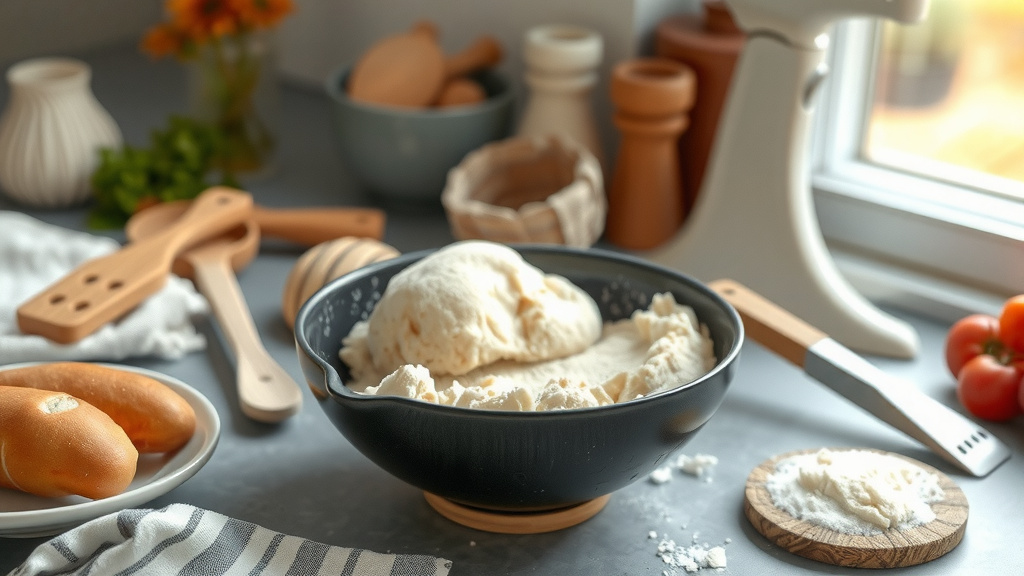
At its heart, sugar is the primary food source for yeast. Yeast organisms are microscopic fungi that feed on simple sugars. When you mix sugar into your dough, you’re essentially providing a feast for these tiny helpers.
Without sugar, yeast would struggle to activate and produce the necessary gases. Research often connects proper sugar levels with optimal yeast activity, ensuring a lively fermentation process.
The Rise of the Dough: Carbon Dioxide Production
As yeast consumes sugar, it undergoes a process called fermentation. During this process, yeast converts sugars into alcohol and, most importantly for bread, carbon dioxide gas. This gas gets trapped within the gluten structure of your dough.
These tiny gas bubbles are what cause your dough to rise. Imagine countless miniature balloons expanding inside the dough, creating that wonderful volume. The more active your yeast, the more gas it produces, leading to a beautifully risen loaf.
Beyond the Rise: Impact on Flavor and Aroma
Sugar doesn’t just help with lift; it also plays a significant role in the overall taste and smell of your bread. As the yeast ferments the sugar, it produces a range of byproducts that contribute to the bread’s complex flavor profile.
Even a small amount of sugar can enhance the natural, earthy notes of your bread. We found that it adds a subtle sweetness that balances other flavors, making each bite more enjoyable. It’s truly about creating depth of flavor.
Achieving That Golden-Brown Crust
Have you ever noticed how some homemade breads have a perfectly golden-brown crust? Sugar helps achieve this too. During baking, the sugars remaining in the dough undergo a process called Maillard reaction.
This reaction, along with caramelization, gives the crust its appealing golden color and contributes to its unique aroma. Without sugar, your bread crust might appear paler and less inviting. It’s all about visual appeal and taste.
The Delicate Balance: Too Much or Too Little Sugar
While sugar is essential, getting the amount just right is key. Too much sugar can actually slow down yeast activity. It draws moisture out of the yeast cells through osmosis, making it harder for them to function. This can lead to a dense, heavy loaf.
On the other hand, too little sugar means the yeast doesn’t have enough fuel. This results in a weak rise and a less flavorful bread. Finding the sweet spot is crucial for consistent results.
Choosing the Right Sugar Type
Many people wonder if all sugars work the same for yeast. Generally, common sugars like granulated white sugar, brown sugar, and honey are all excellent food sources for yeast. However, some types might have slight differences in how they perform.
For instance, honey contains additional enzymes and traces of minerals that can sometimes boost yeast activity, while molasses can add a more robust flavor. It’s about personal preference and desired outcome for your bread.
Comparing Sugars for Yeast Activity
Let’s look at how different common sugars generally interact with yeast in typical bread recipes. This isn’t an exact science for every recipe, but it provides a good guideline (NIH).
| Sugar Type | Yeast Interaction | Impact on Bread |
|---|---|---|
| Granulated White Sugar | Standard fuel, reliable activation. | Good rise, neutral sweetness, golden crust. |
| Brown Sugar | Good fuel, adds molasses notes. | Good rise, richer flavor, darker crust. |
| Honey | Excellent fuel, can slightly accelerate. | Soft texture, distinctive flavor, good browning. |
| Maple Syrup | Good fuel, adds unique flavor. | Good rise, distinct maple taste, good browning. |
Working with Sugar in Bread Machines
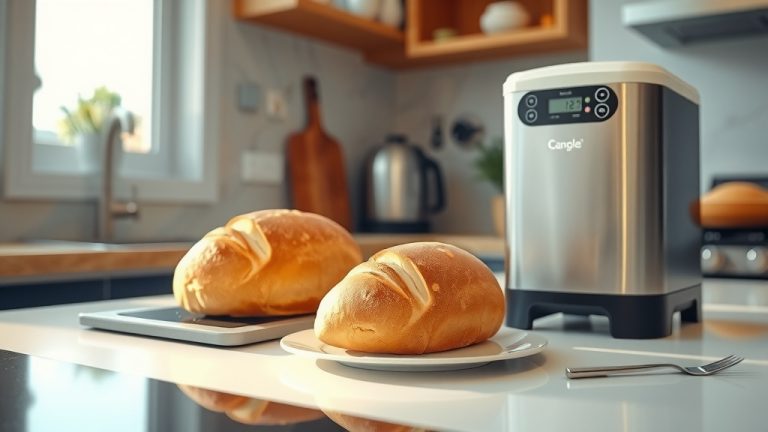
When you use a bread machine, the role of sugar remains just as vital. Most bread machine recipes call for a precise amount of sugar to ensure your yeast performs optimally within the machine’s programming. Your machine will mixes and kneads everything perfectly.
Always measure your sugar accurately according to your recipe. Bread machines rely on consistency, so small changes can affect the final loaf. We found that keeping to the recipe’s guidelines for sugar leads to the best bread machine results.
Tips for Sugar and Yeast Success
Getting the most out of sugar for your yeast in bread making is straightforward with a few simple tips. These can help you ensure a consistently good rise and a delicious loaf every time.
- Always use fresh, active yeast for best results.
- Measure sugar accurately; don’t guess the amounts.
- Ensure your water temperature is correct for activating yeast.
- Mix sugar into the liquid first to help it dissolve, feeding yeast evenly.
- Store yeast properly to maintain its potency.
- If using a bread machine, follow the recipe’s sugar ratio closely.
Observing Yeast Activity with Sugar
You can actually see the sugar at work! After mixing warm water, yeast, and a little sugar, you’ll notice foam or bubbles forming within 5-10 minutes. This is often called “proofing the yeast”.
If you see plenty of bubbles, your yeast is active and ready to make your bread rise beautifully. This visual cue confirms the sugar is doing its job, providing energy for the yeast. It’s a rewarding part of the baking process.
When to Use Less or No Sugar
Some recipes, especially for very rustic or sourdough breads, use very little or no added sugar. In these cases, the yeast (or sourdough starter) feeds on the natural sugars present in the flour itself. This process is often slower but yields a distinctive flavor profile.
If you’re making a savory bread and want to reduce sweetness, remember that a small amount of sugar is still beneficial for yeast activation and crust development. You can simply reduce the quantity rather than eliminating it completely. It’s about balancing function and taste preferences.
Conclusion
Sugar is far more than a sweetener in bread making; it’s the lifeblood for your yeast. It fuels fermentation, generates the carbon dioxide gas that makes your bread rise, and contributes significantly to both flavor and that beautiful golden crust. Understanding this vital partnership helps you become a more confident and successful baker.
Whether you’re hand-kneading or using a bread machine, respecting the role of sugar ensures your yeast has what it needs to create delightful, airy loaves every time. So, the next time you bake, remember the sweet secret to success in your kitchen!
What if I forget to add sugar to my bread dough?
If you forget sugar, your yeast will have limited or no food source. This means very little carbon dioxide will be produced, resulting in a dense loaf that doesn’t rise well and lacks crust color and flavor development.
Can I use artificial sweeteners instead of sugar for yeast?
No, artificial sweeteners do not provide the necessary carbohydrates for yeast to feed on. Yeast needs real sugar to ferment and produce gas, so artificial sweeteners won’t help your dough rise.
Does sugar make bread sweeter?
While some sugar is consumed by yeast during fermentation, the remaining sugar does contribute to the bread’s sweetness. The amount of sweetness in the final product depends on the total sugar added and the extent of fermentation.
How much sugar is typically needed for a loaf of bread?
The amount varies greatly by recipe, but most standard bread recipes call for anywhere from 1 teaspoon to 2 tablespoons of sugar per loaf. Enriched breads or sweet breads will, of course, use more.
Does the type of sugar affect how fast the yeast works?
Simple sugars like glucose and fructose are consumed quickly by yeast. Granulated sugar (sucrose) is broken down into these simpler forms. While different sugars may slightly vary in their breakdown speed, the overall impact on rise time for common bread sugars is often similar (Mayo Clinic).