Bread Flour vs Cake Flour: How Are They Different? (November 2026)
Bread flour makes stronger, chewier dough, while cake flour makes softer, lighter cakes. You can substitute one for the other in some recipes, but the crumb, rise and handling will change.
On this page (11 sections)
- Bread flour vs cake flour: what is the main difference?
- How does bread flour change a recipe?
- How does cake flour change a recipe?
- Can bread flour be used for cakes?
- Can cake flour be used for bread?
- Which flour works best for pasta, pizza and mixed baking?
- What is the best gluten-free cake flour option?
- How should you choose between bread flour and cake flour?
- What should you do when substituting flour?
- Can you bake a cake in a bread maker?
- Bread flour vs cake flour: which should you use?
Bread flour makes stronger, chewier dough, while cake flour makes softer, lighter cakes. In a bread flour vs cake flour comparison, the key difference is how much structure the flour can develop when mixed with liquid and worked.
Bread flour suits yeast loaves, pizza dough and other recipes that need stretch and strength. Cake flour suits sponge, chiffon and other cakes where a delicate crumb matters more than chew.
The right substitution depends on the result you want. A flour can work outside its main use, but it won't give the same texture automatically.

Bread flour vs cake flour: what is the main difference?
Bread flour is the stronger choice for elastic dough, while cake flour is the better choice for tender cake batter. Protein content, milling and mixing all affect the final result.
See bread flour label details to compare these details before buying.
When flour meets water, its proteins can form gluten. Kneading and mixing develop that gluten, which helps yeast dough hold its shape and trap gas as it rises.
Bread flour is made for that structure. It helps produce dough that can stretch, hold a loaf shape and create a chewier bite.
Cake flour is milled for a fine texture and has lower protein content than all-purpose flour. That makes it easier to create a soft crumb when the batter is mixed carefully.
The difference isn't simply that one flour is better. Each one is designed around a different baking goal.
How does bread flour change a recipe?
Bread flour adds strength and chew, so it works best when a recipe needs dough that can rise and hold its shape. It is a practical choice for sandwich loaves, rolls, pizza and many enriched breads.
A stronger flour can absorb liquid differently from a softer flour. If you change the flour in a dough recipe, watch the dough rather than adding all the liquid at once.
The dough should become cohesive and workable without turning dry or stiff. Give it time to rest if it feels tight, then knead until it becomes smoother.
Our guide to bread flour explains how flour strength fits different bread recipes. For more detail on flour choices, see which type of bread flour suits the dough you plan to make.
What happens when bread flour is used for cake?
Bread flour can make cake firmer or chewier than intended. Extra mixing can develop more gluten, which may reduce the soft, delicate texture associated with cake flour.
This doesn't mean every cake made with bread flour will fail. A rustic snack cake or a recipe with a sturdy crumb may tolerate the change better than angel food, sponge or chiffon cake.
Use a light hand when combining the batter. Stop as soon as the dry ingredients disappear, and don't knead or work the batter like bread dough.
Antimo Caputo Chefs Flour is a finely milled Italian Tipo 00 flour with strong, elastic gluten. Its title and product information position it for pizza dough, bread, pasta and pastries, so it is more useful for versatile dough baking than delicate cakes.
How does cake flour change a recipe?
Cake flour gives cakes a softer, lighter texture because its lower protein content limits the strength developed during mixing. Its fine texture also helps it blend smoothly into batters.
Cake flour is a good fit for sponge, chiffon and angel food cakes. It also works for cupcakes, cookies and muffins when a softer bite is the goal.
It is less suitable when you want a chewy loaf or a dough that needs to hold a tight shape. A cake flour dough may feel less elastic and may not support the same rise as a bread flour dough.
Bob's Red Mill Cake Flour is a 3 lb super-fine cake flour with lower protein content. It is designed for light cakes and pastries, including sponge, chiffon and angel food cakes.
Can bread flour be used for cakes?
Yes, bread flour can be used for cakes, but cake flour is usually the better choice for a soft, airy crumb. The substitution is most reasonable when the recipe can handle a firmer texture.
If you only have bread flour, measure it carefully and mix the batter as little as possible. Avoid extra beating after the flour is added because more mixing can make the cake tougher.
Choose bread flour for cakes that include a sturdy filling, dense add-ins or a texture closer to a snack cake. For very light cakes, use cake flour if you have it.
If you want a flour with no additives for bread and other doughs, compare options in our guide to best bread flour without additives.
Can cake flour be used for bread?
Cake flour can be used in some bread recipes, but it may produce a softer loaf with less chew and structure. It is not the first choice for a crusty loaf or dough that must hold a strong shape.
You can blend cake flour with a stronger flour when you want to soften the crumb without removing all the dough strength. Make changes gradually and keep notes so you can repeat a result you like.
For a bread flour alternative, see what is a bread flour substitute. That guide can help when your recipe needs structure but bread flour isn't available.
Which flour works best for pasta, pizza and mixed baking?
Choose a stronger flour for pasta and pizza dough, and choose cake flour for delicate desserts. Some specialty flours can cover more than one use, but their texture and flavor still matter.
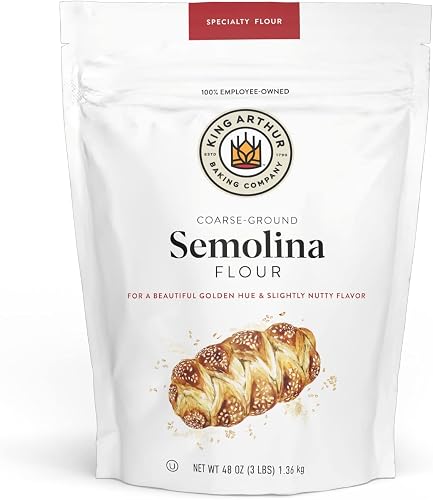
King Arthur Premium Semolina Flour is coarse-ground, high-protein durum wheat in a 3 lb resealable bag. It is suited to pasta, pizza and bread, and it adds a pale yellow color plus a nutty, sweet flavor.
Semolina is not a direct replacement for cake flour. Its coarse texture and durum wheat character can make a cake feel heavier or more textured than a fine cake flour would.
For pizza and bread, semolina can be used alone in some recipes or blended with another flour. The product information recommends 1/3 semolina and 2/3 all-purpose or bread flour in bread recipes.
What is the best gluten-free cake flour option?
A gluten-free cake flour blend is the better choice when you need cakes, muffins or cookies without wheat flour. Regular bread flour and standard cake flour contain wheat and aren't suitable for a gluten-free recipe.
Authentic Foods Steve's Gluten Free Cake Flour Blend is a 3 lb blend made for cup-for-cup replacement in cakes, muffins and cookies. It needs no xanthan gum and is also dairy-free, soy-free, nut-free and corn-free.
Use the blend for the recipes it is designed to replace. It is not a wheat bread flour, and a gluten-free cake blend should not be expected to create the same elastic dough as bread flour.
How should you choose between bread flour and cake flour?
Choose bread flour for chew and structure, and choose cake flour for softness and a fine crumb. Start with the finished texture you want, then select the flour that supports it.
Pick bread flour when you are making:
- Yeast bread
- Pizza dough
- Rolls
- Pasta dough
- Chewy or elastic baked goods
Pick cake flour when you are making:
- Sponge cake
- Chiffon cake
- Angel food cake
- Soft cupcakes
- Tender muffins and pastries
If you prefer flour without additives, our guide to best unbleached bread flour covers another buying point for bread-focused baking.
What should you do when substituting flour?
Change flour only when you can accept a texture change, and adjust mixing before changing the whole recipe. The biggest mistake is treating every flour as if it absorbs liquid and develops structure in the same way.
For bread flour in cake, reduce unnecessary mixing. For cake flour in bread, expect less strength and consider blending it with a stronger flour.
Keep the recipe's other ingredients unchanged on the first attempt. If the dough is too stiff, add liquid in small amounts; if batter becomes tough, check whether it was mixed too long.
Flour freshness and storage also matter. Keep flour sealed and dry, and follow the package directions for longer storage.
Can you bake a cake in a bread maker?
Yes, many bread makers can bake cake, but the machine's cycle and pan shape affect the result. Use a recipe intended for the appliance and follow its instructions for adding ingredients and selecting the cycle.
A bread maker is useful when you want the machine to mix and bake a simple cake in one pan. It won't turn bread flour into cake flour, so flour choice still affects the crumb.
Our guide to the best bread maker for cake focuses on machines suited to that use. You can also read what is a bread maker used for to compare cake baking with bread, dough and other functions.
Bread flour vs cake flour: which should you use?
Use bread flour when the recipe needs gluten strength, and use cake flour when the recipe needs a soft, delicate crumb. Bread flour can be used for some cakes, and cake flour can be used in some breads, but neither substitution is neutral.
Choose Antimo Caputo Chefs Flour for a versatile dough flour used across pizza, bread, pasta and pastries. Choose Bob's Red Mill Cake Flour for soft cakes, King Arthur Premium Semolina Flour for high-protein pasta and pizza dough, and Authentic Foods Steve's Gluten Free Cake Flour Blend for gluten-free cakes, muffins and cookies.
Frequently asked questions
Can bread flour be used for cakes?
Bread flour can be used for some cakes, but it usually creates a firmer, chewier crumb than cake flour. Its stronger gluten potential is useful in yeast dough, while cake flour's lower protein content and fine texture suit light cakes.
Avoid heavy mixing if you use bread flour in a cake.
Can cake flour be used for bread?
Cake flour can be used in some bread recipes, but the loaf may have less structure and a softer, weaker crumb. Yeast bread depends on gluten strength to hold gas during rising.
For a chewy loaf, use bread flour or blend cake flour with a stronger flour instead.
What is the difference between bread flour and cake flour?
Bread flour is made for stronger gluten development, so it supports stretchy dough and chewy bread. Cake flour has lower protein and a fine texture, so it produces softer, lighter cakes.
The difference affects mixing, water absorption, rise, shape and the final bite.
How do you substitute bread flour for cake flour?
You can substitute bread flour for cake flour by weight in some recipes, but the cake may be denser and chewier. Mix only until the batter comes together, and avoid extra stirring.
For a closer result, use a dedicated cake flour such as Bob's Red Mill Cake Flour.
Is bread flour the same as all-purpose flour?
Bread flour and all-purpose flour are not the same, although both can work in several recipes. Bread flour is chosen for stronger dough, while all-purpose flour sits between bread and cake flour in many baking uses.
Check the recipe before changing flour because texture and hydration can shift.


