
Can You Add Oats to Bread Machine Bread?

Yes, you can absolutely add oats to your bread machine bread! It’s a fantastic way to boost the fiber and give your loaves a wonderful, wholesome texture. You just need to make a few simple adjustments to your usual recipe for the best results. We found that adding oats can make bread more nutritious and delicious.
Incorporating oats can change the way your dough behaves. You might need a little more liquid, or perhaps a bit more flour, depending on the type of oats you use. Many home bakers have success with rolled oats or steel-cut oats. Experimenting with these additions can lead to a truly satisfying, hearty homemade bread.
- Yes, oats are a great addition to bread machine loaves.
- Adding oats boosts fiber and flavor.
- Minor recipe adjustments may be needed.
- Rolled oats and steel-cut oats work well.
- Enjoy your hearty, homemade oat bread!
Ready to give your bread machine loaves a wholesome upgrade? Let’s dive into how you can easily add oats to your next bake.
Upgrading Your Bread Machine Loaves with Oats
So, you’re curious about adding oats to your bread machine bread. That’s a fantastic idea! Oats can really transform your homemade bread. They add a lovely chewy texture and a wonderful nutty flavor. Plus, they pack a serious nutritional punch, bringing more fiber and essential nutrients to your daily bread. Many home bakers find it’s an easy way to make their favorite bread even better.
The good news is that it’s totally doable! You don’t need to be a master baker to make this work. Your bread machine is designed to handle doughs with a bit of variation. We’ve found that with just a few small tweaks, you can achieve delicious oat bread without any fuss. Think of it as giving your bread a wholesome makeover. It’s about simple adjustments for a more satisfying loaf.
Types of Oats and Their Role in Bread Machine Baking
When you think about adding oats, the first question is usually: which kind? Not all oats are created equal when it comes to baking. The type of oat you choose will impact the texture and moisture absorption in your bread dough. Understanding these differences will help you get the best results.
Rolled Oats (Old-Fashioned Oats)
Rolled oats are probably the most common type you’ll find. They are whole oat groats that have been steamed and flattened. This makes them cook faster and absorb liquid well. In bread, they give a pleasant, slightly chewy texture. They tend to hydrate nicely in the dough without making it too dense. You can often use them right out of the bag.
We found that rolled oats are a great starting point for beginners. They integrate smoothly into most bread machine recipes. They don’t require much pre-treatment. Just measure them out and add them with your other dry ingredients. The resulting bread has a hearty feel without being heavy. It’s a crowd-pleaser for sure.
Steel-Cut Oats
Steel-cut oats, also known as Irish oats, are groats that have been cut into two or three smaller pieces. They have a chewier texture and a more distinct nutty flavor. Because they are less processed, they absorb liquid differently than rolled oats. They can take longer to soften in the dough.
For bread machine baking, steel-cut oats might need a little extra attention. Some bakers find that they can make the dough a bit too firm or dry. We’ve found that pre-soaking steel-cut oats can be beneficial. This helps them soften up during the kneading and baking cycles. A short soak in warm water or even some of the liquid from your recipe can make a big difference. This prevents them from absorbing too much moisture too late in the process.
Oat Flour
Oat flour is simply oats that have been ground into a fine powder. It’s a gluten-free option if you’re looking for that, though bread machines typically use wheat flour. Oat flour adds a subtle sweetness and a tender crumb to bread. It’s more like adding another type of flour to your mix. It doesn’t add the distinct texture that whole or rolled oats do.
If you use oat flour, you’ll need to be mindful of its absorption properties. Like other flours, it can affect the dough’s consistency. We found that substituting a portion of your regular bread flour with oat flour works well. A common ratio is about 25% oat flour to 75% bread flour. This gives you the oat flavor and tenderness without compromising the dough structure. It’s a good way to introduce oats if you prefer a smoother crumb.
Instant Oats vs. Steel-Cut Oats: A Quick Comparison
While instant oats exist, they are highly processed and tend to break down too much in bread, potentially leading to a gummy texture. We generally recommend sticking to rolled oats or steel-cut oats for better texture and flavor.
| Oat Type | Texture Contribution | Moisture Absorption | Preparation Needed |
|---|---|---|---|
| Rolled Oats | Chewy, hearty | Moderate | None (usually) |
| Steel-Cut Oats | Chewy, nutty | Higher (can be) | Soaking recommended |
| Oat Flour | Tender crumb | Similar to flour | None (already ground) |
Adjusting Your Bread Machine Recipe for Oats
Adding oats isn’t always a simple 1:1 swap. Oats absorb liquid differently than flour. This means you might need to make some adjustments to your liquid and flour amounts. The goal is to achieve the right dough consistency for your bread machine.
The Liquid-to-Oat Ratio
Oats are like little sponges. They soak up more liquid than regular flour. Because of this, we often recommend adding a little extra liquid to your recipe. For every cup of oats you add, you might need to increase the liquid by one or two tablespoons. This is especially true if you’re using steel-cut oats.
Start with a small increase, maybe one tablespoon per cup of oats. You can always add a tiny bit more if the dough looks too dry during the kneading cycle. Your bread machine usually has a viewing window for this reason. Watch the dough – it should form a smooth, elastic ball. If it looks shaggy or dry, it needs more liquid. If it looks very wet and sticky, you might have added too much.
Flour Adjustments
Sometimes, adding oats can make the dough a bit too wet. This is more common if you haven’t increased the liquid enough, or if your oats are particularly absorbent. In these cases, you might need to add a bit more flour. It’s usually best to add flour incrementally, about a tablespoon at a time.
Add the extra flour slowly while the machine is kneading. You want the dough to form that nice ball shape. We found that too much extra flour can make the bread dense. So, go easy! The right balance is key to a good rise and texture. Think of it as fine-tuning your recipe.
Salt and Yeast Considerations
Oats can sometimes interfere with yeast activity. Some research suggests that oats might absorb some of the yeast’s food source. While this isn’t usually a major issue with bread machines, it’s worth noting. Ensure your yeast is fresh and active. Ensure your yeast is fresh and active for best results when adding oats.
The amount of salt in your recipe usually doesn’t need changing. Salt plays a crucial role in controlling yeast activity and strengthening gluten. Keep the salt amount consistent with your original recipe. We found that focusing on the liquid and flour adjustments is generally more impactful for oat bread.
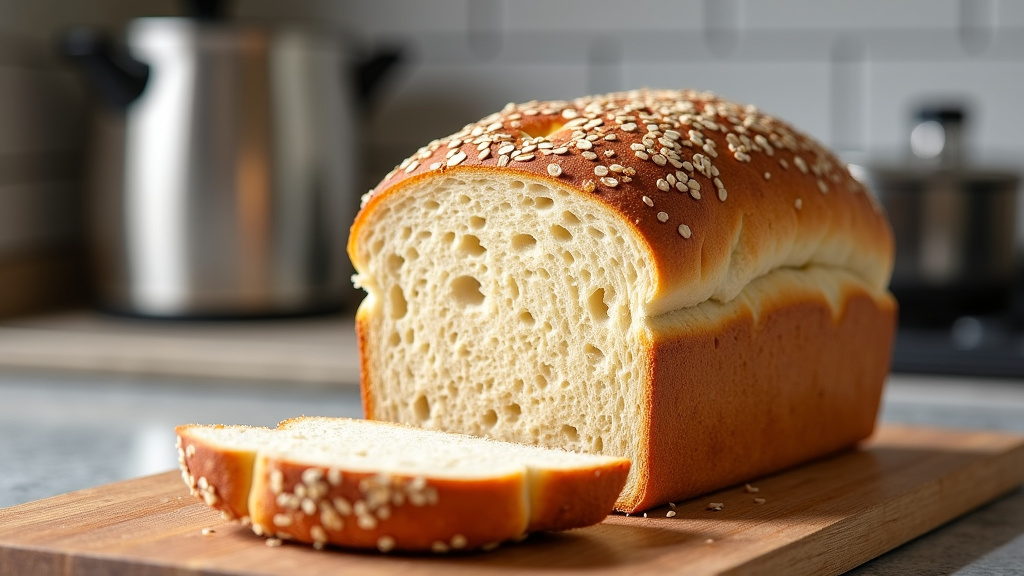
Getting the Best Texture with Oat Bread
The texture is where oats really shine. But getting it just right takes a little practice. Your bread machine will do the mixing and kneading, but you can help guide the process.
Pre-Soaking Oats (Especially Steel-Cut)
We mentioned this before, but it’s worth repeating for steel-cut oats. Soaking them for 15-30 minutes in warm water or milk helps them soften. This ensures they blend well into the dough and don’t leave hard bits in your finished loaf. For rolled oats, pre-soaking isn’t usually necessary, but it won’t hurt.
After soaking, drain any excess liquid before adding the oats to your bread machine. You’ve already accounted for some moisture. This step makes a noticeable difference in the chewiness and tenderness of the final bread. It’s a simple step that yields great results.
Watching the Dough Consistency
This is your most powerful tool! During the first few minutes of kneading, peek into the machine. Does the dough look like a cohesive ball? Is it too sticky or too crumbly? If it’s too sticky, add a tablespoon of flour. If it’s too dry, add a tablespoon of water or milk.
Repeat this adjustment once or twice if needed. You’re aiming for a smooth, slightly tacky ball of dough that cleans the sides of the pan. We found that this little bit of attention during kneading prevents most common issues. It helps ensure your oats integrate beautifully.
Choosing the Right Oats for Your Desired Texture
Do you like a soft, tender loaf? Oat flour might be your best bet. Do you prefer a bread with noticeable chewy bits? Rolled oats are perfect. For a really hearty, rustic loaf with a distinct chew, steel-cut oats (pre-soaked) are the way to go. Your preference dictates the type of oat you’ll use.
Experimentation is key here. Try rolled oats first, as they are the most forgiving. Once you’re comfortable, you can experiment with steel-cut oats or even a blend. You’ll discover your favorite combination for texture and flavor. Many bakers love the versatility oats offer.
A Simple Checklist for Oat Bread Success
Ready to bake your first oat bread? Here’s a quick checklist to keep you on track:
- Choose your oats: rolled, steel-cut, or oat flour.
- Consider pre-soaking steel-cut oats for about 20 minutes.
- Add oats with your dry ingredients.
- Increase liquid slightly (1-2 tbsp per cup of oats).
- Watch dough during kneading and adjust flour/liquid if needed.
- Ensure your yeast is fresh.
Conclusion
You’ve learned that adding oats to your bread machine bread is a rewarding way to enhance your loaves. By understanding the different types of oats and making simple adjustments to your liquid and flour, you can achieve fantastic results. Remember to watch your dough during kneading to ensure it has the perfect consistency. So, go ahead and try it! Your next batch of homemade bread can be more nutritious and satisfying than ever before. Enjoy your hearty oat bread!
Frequently Asked Questions
Will adding oats make my bread machine bread too heavy?
It can, if you don’t make adjustments. Oats absorb liquid differently than flour. Increasing your liquid slightly and watching the dough consistency during kneading helps prevent a heavy loaf. Rolled oats tend to be lighter than steel-cut oats.
Can I use instant oats in my bread machine?
While you can technically use instant oats, we don’t recommend it for the best texture. Instant oats break down too much during baking. This often results in a gummy or mushy texture rather than a pleasant chewiness.
How much extra liquid should I add for oats?
A good starting point is to add 1 to 2 tablespoons of extra liquid for every cup of oats you include. This helps the oats soften properly without making the dough too dry. You can adjust this based on the oat type and how the dough looks.
Do I need to change the amount of yeast when adding oats?
Generally, no. You don’t need to significantly alter your yeast amount. Just ensure your yeast is fresh and active. While oats can absorb some nutrients, it usually doesn’t impact the yeast’s ability to make your bread rise sufficiently.
What’s the best way to add oats to my bread machine?
Add your chosen oats along with your other dry ingredients at the beginning of the cycle. If you’re using steel-cut oats, consider pre-soaking them for about 15-30 minutes first. This helps them soften and integrate better into the dough for a more tender loaf.
