
Can You Use Coconut Flour in a Bread Machine?
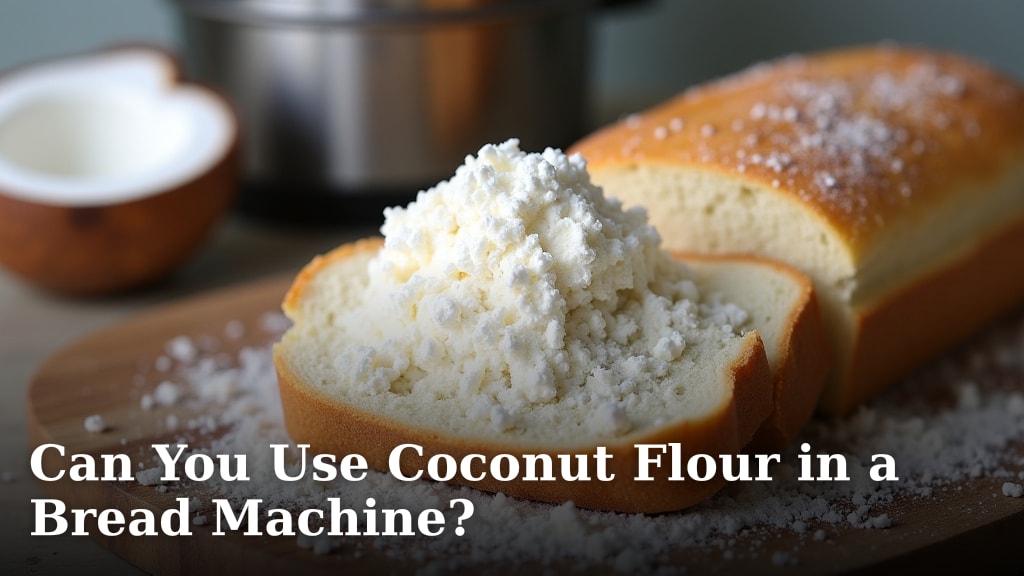
Yes, you can use coconut flour in a bread machine, but with a few important adjustments. Coconut flour is quite different from traditional wheat flour. It’s much more absorbent, which means you’ll likely need to adjust your recipe ratios. Expect a denser, moist loaf with a unique flavor profile.
If you’re looking for a gluten-free bread option, coconut flour is a great candidate. Bread machines are designed for wheat-based flours, so experimenting with alternatives like coconut flour requires understanding its properties. You’ll often need more liquid and eggs compared to a standard recipe. This helps create a workable dough and a tender crumb.
- Yes, coconut flour works in bread machines.
- Expect a denser, moister loaf.
- You’ll need to adjust liquid and egg amounts.
- It’s a great gluten-free option.
- Results vary; experimentation might be needed.
Ready to get baking? Below, we’ll walk you through exactly how to adapt your bread machine recipes for delicious coconut flour loaves.
Baking Bread with Coconut Flour in Your Machine
So, can you actually use coconut flour in your trusty bread machine? The short answer is yes, but it’s not quite a simple swap. Think of it like trying to substitute almond milk for dairy milk in a recipe – you can do it, but you might need to tweak things a bit. Coconut flour acts very differently from traditional all-purpose flour. It’s a super-absorbent powerhouse. This means it drinks up liquid like a sponge! You’ll definitely need to make some adjustments to get a good loaf. But don’t worry, we’ll walk you through it. This guide explains how to convert recipes for your bread machine, which is helpful for making coconut flour loaves.
Understanding Coconut Flour’s Unique Properties
Before we jump into the “how-to,” let’s chat about why coconut flour is so different. Unlike wheat flour, which has gluten that gives bread its structure, coconut flour has no gluten at all. That’s what makes it a popular choice for gluten-free baking. However, its high fiber content means it absorbs way more liquid than regular flour. Some sources suggest you might need up to five times more liquid for coconut flour compared to wheat flour. This is a big deal for bread making!
Why Absorption Matters for Bread Machines
Bread machines rely on a specific dough consistency. They have pre-programmed cycles for mixing, kneading, rising, and baking. If your dough is too dry, the machine might struggle to knead it properly, leading to a dense, heavy loaf. If it’s too wet, it can become a sticky mess or overflow. Coconut flour’s thirstiness can easily push your dough into the “too dry” category if you don’t compensate with extra moisture. This is why simply pouring coconut flour into a standard bread recipe won’t work well.
The Resulting Loaf: What to Expect
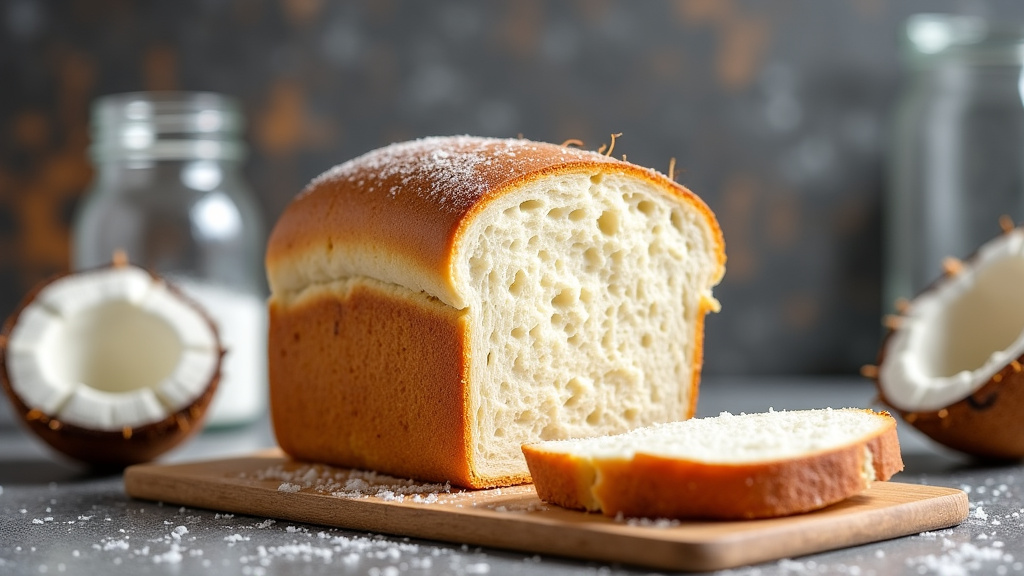
When you bake with coconut flour, don’t expect a light, airy sandwich bread like you’d get from wheat flour. Coconut flour loaves tend to be much denser and moister. They have a wonderfully rich, slightly sweet flavor that many people enjoy. The texture can be more cake-like or crumbly depending on the recipe. It’s a delightful alternative, but it’s important to go in with the right expectations. It’s a different kind of delicious!
Adapting Your Bread Machine Recipes for Coconut Flour
Ready to get your hands (or at least your measuring cups) dirty? The key to success lies in adjusting the liquid and egg ratios. Here’s how to start thinking about your recipe conversions.
The Crucial Role of Liquids and Eggs
Because coconut flour is so absorbent, you’ll need to increase the liquid. Water, milk, or milk alternatives can all work. However, you’ll also need more eggs. Eggs are vital in coconut flour baking. They provide structure, richness, and moisture, and they help bind the ingredients together, which is especially important without gluten. Many recipes call for a higher egg-to-flour ratio than traditional bread.
General Liquid and Egg Guidelines
While specific recipes will vary, a good starting point is to remember that you’ll need significantly more liquid and eggs. For every cup of coconut flour, you might need 1-2 cups of liquid. And for eggs, you might see recipes using 3-4 eggs for a standard loaf. We found that starting with a bit less liquid than the recipe calls for and gradually adding more during the mixing cycle is a smart strategy. You can always add more, but you can’t take it away!
Other Ingredients to Consider
Beyond the flour, liquids, and eggs, other ingredients can play a role. Fats like oil or butter help add moisture and tenderness. Sweeteners can enhance the natural flavor of coconut flour. Don’t forget leavening agents like baking soda or baking powder, especially if your recipe doesn’t rely solely on eggs for rise. Some people add a binder like psyllium husk or xanthan gum to help mimic the elasticity that gluten provides. Beyond flour, liquids, and eggs, other ingredients like fats can play a role in coconut flour bread.
The Power of Psyllium Husk
We’ve found that psyllium husk is a game-changer in gluten-free baking, especially with coconut flour. It acts like a sponge, absorbing liquid and forming a gel-like substance. This gel helps to give the dough structure and elasticity, making it easier for your bread machine to knead. It can result in a loaf with a better texture and less crumbliness. A common amount to start with is 1-2 tablespoons per cup of coconut flour.
Troubleshooting Common Coconut Flour Bread Machine Issues
Even with the best intentions, your first few attempts might not be perfect. That’s totally normal! Baking with alternative flours is a journey. Here are some common issues and how to tackle them.
My Dough is Too Dry and Crumbly
This is the most frequent problem. If you notice the dough isn’t coming together after a few minutes of kneading, your machine likely thinks the dough is too dry. Pause the machine and add liquid a tablespoon at a time. Let the machine knead for another minute or two to incorporate the extra moisture. You can also try adding a bit more fat (like oil or melted butter) to help with softness.
My Loaf is Dense and Heavy
A dense loaf often means the dough didn’t have enough rise or the structure wasn’t quite right. Ensure you’re using enough eggs and leavening agents. If you added psyllium husk, make sure it had enough time and liquid to gel. Sometimes, the issue is simply not enough liquid overall. For your next bake, try increasing the liquid or eggs slightly.
The Crust is Too Hard or Too Soft
The crust is often a matter of preference and machine settings. If it’s too hard, you might want to use a lower crust setting on your bread machine, or even remove the loaf after the baking cycle finishes and let it cool on a wire rack to prevent over-browning. If it’s too soft, try a darker crust setting. Coconut flour loaves can sometimes brown quickly due to their sugar content, so keep an eye on them!
Tips for Success with Your Coconut Flour Loaves
Here are some practical tips we’ve gathered to help you achieve the best results possible when using coconut flour in your bread machine. These are based on common recommendations and baking principles.
- Start with a Tested Recipe: Don’t try to convert a standard wheat bread recipe on your first go. Look for recipes specifically designed for coconut flour and bread machines.
- Measure Accurately: Coconut flour is tricky. Weighing your flour is often more accurate than using volume measurements.
- Don’t Over-Knead: Coconut flour dough doesn’t develop gluten, so excessive kneading isn’t necessary and can sometimes lead to a tough texture.
- Check Dough Consistency Early: Peek at the dough after the first few minutes of kneading. Is it coming together? Is it too sticky or too dry? Adjust as needed.
- Let It Cool Completely: This is crucial! Coconut flour baked goods continue to set as they cool. Slicing too early can lead to a gummy texture. Patience is key here.
- Embrace the Flavor: Coconut flour has a distinct taste. Enjoy it! It pairs wonderfully with sweet additions or savory herbs.
| Ingredient | Wheat Flour Equivalent | Coconut Flour Equivalent | Notes |
|---|---|---|---|
| Flour | 1 cup | 1/4 cup | Coconut flour absorbs much more liquid. |
| Liquid | 1 cup | ~1 to 1.5 cups | Start low and add more as needed. |
| Eggs | Typically 1 egg per ~1.5 cups flour | ~3-4 eggs per cup of flour | Eggs are essential for binding and moisture. |
| Fat (Oil/Butter) | 1 tbsp | 1-2 tbsp | Adds tenderness and moisture. |
This table gives you a rough idea, but always refer to a specific coconut flour bread machine recipe for the best results. Remember, these are starting points!
Is it Worth the Effort?
Baking with coconut flour in a bread machine does require more attention and often a bit of experimentation. You might not get the exact same results as a traditional loaf, but for those seeking gluten-free options or a unique flavor profile, it’s absolutely worth exploring. The process itself can be rewarding, and the end result is a delicious, nutrient-rich bread that you made yourself. Many people find the unique texture and taste to be a wonderful addition to their baking repertoire.
Conclusion
You absolutely can use coconut flour in your bread machine, but it’s definitely an adventure! Remember that coconut flour’s high absorbency means you’ll need to increase your liquids and eggs to get a workable dough. Expect a denser, moister loaf with a unique flavor that’s a delightful gluten-free alternative. Your first few tries might require adjustments, so don’t be afraid to experiment. For your next bake, try starting with a recipe specifically designed for coconut flour and your bread machine. Happy baking!
Frequently Asked Questions
How much more liquid do I need for coconut flour in a bread machine?
Coconut flour is very absorbent. You’ll typically need 1 to 1.5 cups of liquid for every cup of coconut flour, which is much more than traditional wheat flour. Always start with the lower amount and add more gradually if the dough seems too dry during the kneading cycle.
Can I use my regular bread machine recipe and just swap flours?
No, you shouldn’t simply swap flours. Coconut flour behaves very differently from wheat flour due to its absorbency and lack of gluten. You’ll need to adjust the liquid, egg, and potentially other ingredients to get a good result.
What’s the texture of bread made with coconut flour in a machine?
Bread made with coconut flour in a machine is usually denser and moister than wheat bread. It can also have a slightly more crumbly or cake-like texture. It’s a wonderful gluten-free option, but it won’t be as light and airy as a traditional loaf.
Do I need to add anything besides more liquid and eggs?
Many successful coconut flour recipes also benefit from added fats like oil or butter for tenderness. Some bakers find that adding a binder like psyllium husk or xanthan gum helps improve the dough’s structure and elasticity, making it easier for the machine to handle.
My coconut flour dough isn’t forming a ball in the machine. What should I do?
If your dough is too dry and crumbly, pause the machine. Add more liquid a tablespoon at a time, letting the machine knead for a minute or two between additions. You might also need a bit more fat to help create a softer dough consistency.
