How Long Do Panasonic Bread Makers Last?
A Panasonic bread maker can last for years, but its lifespan depends on use, care, and the condition of parts such as the pan, paddle, and drive system. Watch for changes in kneading, heating, or cycle completion.
On this page (8 sections)
- How long do Panasonic breadmakers last?
- What parts affect a Panasonic bread maker's lifespan?
- What are the signs a Panasonic bread maker is wearing out?
- Can you extend the life of a Panasonic bread maker?
- When should you repair or replace a Panasonic bread maker?
- Which replacement features matter most?
- What else should you consider before replacing it?
- How long should you expect a Panasonic bread maker to last?
A Panasonic bread maker can last for years, but use, care, and component wear determine how long it remains reliable. Pay attention to the pan, kneading paddle, drive system, heater, and controls as you use it.
There is no fixed lifespan that applies to every model or household. Frequent baking puts more cycles on moving parts, while careful cleaning and prompt attention to new problems can help you avoid extra wear.
How long do Panasonic breadmakers last?
Panasonic breadmakers don't have one guaranteed service life. The model, how often you bake, how you handle the pan and paddle, and the availability of replacement parts all matter.
A machine used for occasional weekend loaves has a different workload from one that runs daily. Age alone also doesn't tell you whether a bread maker is near the end of its useful life; the quality of its kneading, heating, and cycle control is more useful to track.
For broader context, compare this with how long a bread maker lasts across brands. If you're weighing another brand, see how long Cuisinart bread makers last for a similar set of lifespan factors.
What parts affect a Panasonic bread maker's lifespan?
The pan, kneading paddle, drive parts, heater, and controls have the biggest effect on everyday use. Wear in one area may reduce performance even when the rest of the machine still works.
The pan and paddle handle repeated mixing and baking. A worn coating can make bread harder to release, while a damaged or stuck paddle can leave ingredients unmixed or create a dense section in the loaf.
The drive system turns the paddle during kneading. New grinding, slipping, or irregular movement can point to a problem that needs attention; don't keep running the machine if the noise is severe or the paddle stops turning.
The heater and controls manage the baking cycle. If a loaf stays pale, bakes unevenly, or the machine stops at the same point each time, check the manual and support options before assuming the whole unit has failed.
How long do Panasonic bread maker pans and paddles last?
Pan and paddle life depends on handling, cleaning, and how often you bake. Look for peeling or scratched coating, persistent sticking, a bent paddle, or a paddle that no longer fits securely.
Use utensils that won't scrape the pan, and follow the model's cleaning instructions. Avoid soaking or scrubbing parts in ways the manual doesn't allow.
A worn pan or paddle doesn't always mean the motor or heater has failed. Check whether the correct replacement part is available for your model before deciding to replace the whole machine.
What are the signs a Panasonic bread maker is wearing out?
Changes in sound, kneading, loaf results, or cycle behavior are signs to investigate. A single poor loaf can come from ingredients or measurements, so look for a problem that repeats under the same conditions.
Watch for:
- A paddle that stalls, slips, or leaves ingredients unmixed.
- Grinding, squealing, or rattling that wasn't present before.
- Dough that repeatedly fails to knead evenly.
- Baking that stops early or produces consistently underbaked loaves.
- A cracked pan, damaged paddle, or coating that is coming off.
- Buttons, display, or cycle settings that respond inconsistently.
Check the recipe and ingredients first when results change. For a known recipe, Panasonic bread machine recipes can help you compare the machine's results using familiar dough and loaf settings.
If the problem follows the machine across more than one recipe, note the model number and symptoms. That makes it easier to check the manual, warranty, and service options.
Can you extend the life of a Panasonic bread maker?
Careful cleaning, sensible loading, and early attention to wear can help keep a bread maker in service. The model's instructions should guide every maintenance step.
Wipe the exterior after use and clean the pan and paddle as directed. Don't immerse the machine body or let water enter openings, vents, or controls.
Measure ingredients accurately and don't exceed the pan's capacity. Heavy or stiff dough can put extra strain on kneading parts, so use recipes and cycles suited to your machine.
Let the unit cool as its manual recommends, and keep the vents clear during operation. Store the bread maker in a dry place where the cord and pan won't be crushed or knocked around.
For the SD-YD250, use recipes suited to that model's cycle and ingredient order; see Panasonic SD-YD250 bread maker recipes. Different Panasonic models can have different capacities and instructions.
When should you repair or replace a Panasonic bread maker?
Repair makes sense when the fault is clear, the part is available, and the repair cost is reasonable. Replacement deserves a look when several major functions fail or a safe repair would cost close to a suitable new machine.
Start with the model number and manual. Check the warranty terms and contact Panasonic support for guidance before buying parts or attempting a repair.
A pan or paddle replacement may be simpler than addressing a motor, heater, or control fault. For electrical problems, overheating, smoke, or a burning smell, stop using the machine and seek qualified service.
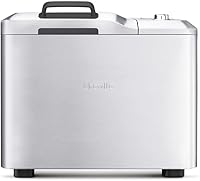
If you replace it, compare the features you actually use. The Breville BBM800XL has 13 automatic programs, 9 custom settings, and a collapsible kneading paddle for bread and dough settings.
For a side-by-side comparison, see Breville vs Panasonic bread makers.
Its 60-minute power interruption protection may also help when brief outages occur. Check that its capacity and programs suit your recipes before choosing it.
Which replacement features matter most?
Prioritize the loaf size, programs, and maintenance needs that match your routine. A feature-rich machine isn't automatically a better fit if you use only a basic cycle.
Look for a pan capacity that suits the amount of bread you eat, plus a dough cycle if you make rolls or pizza dough. A removable pan and paddle can make cleaning easier, though you should follow the care instructions for the exact model.
Don't buy a replacement based on assumed durability alone. Warranty terms, parts access, and the support available for the model can be more useful signals than a promise that any machine will last a set number of years.
What else should you consider before replacing it?
Compare the cost and effort of repair with the benefits of a replacement that fits your baking habits. If your current Panasonic still kneads and bakes consistently, a new machine may not solve a problem you don't have.
If it struggles only with one recipe, check ingredient amounts, yeast freshness, and the selected cycle first. If the same fault appears across recipes, get a service estimate and check parts availability.
How long should you expect a Panasonic bread maker to last?
Expect the useful life to vary by model, workload, care, and repair options. Keep using it while it kneads and bakes reliably, and investigate repeat problems before they damage other parts.
Choose repair when a replaceable part is the likely cause and the cost is sensible. To compare a replacement option, read Cuisinart CBK-110 review.
Consider replacement when major functions fail, safe service isn't practical, or the machine no longer meets your baking needs.
If you're still deciding whether to stay with Panasonic, read Are Panasonic Bread Makers Good? and compare the features that matter for your recipes.
Frequently asked questions
How long do Panasonic breadmakers usually last?
There isn't one dependable lifespan for every Panasonic breadmaker. How often you bake, how the machine is cleaned and stored, and whether wear parts remain available all affect how long it stays useful.
Look for changes in kneading, heating, or cycle completion, then compare repair costs with replacement.
What wears out first in a bread maker?
The pan coating, kneading paddle, and moving drive parts can show wear with repeated use. Check for sticking, damage, unusual noise, or a paddle that no longer turns as expected.
Follow the manual for care and replacement parts, since designs differ by model.
Can a Panasonic bread maker be repaired?
Some problems may be repairable if the needed part is available and the repair cost is sensible. Check the model number, warranty status, and Panasonic support guidance before opening the machine.
Electrical faults or heating problems are best assessed by qualified service personnel.
How can I make a bread maker last longer?
Use the machine according to its manual, keep the pan and paddle clean, and avoid scraping coated surfaces with metal tools. Let the unit cool between cycles if its instructions call for it, keep vents clear, and store it dry.
Address new noises or poor kneading early.