
How Much Electricity Does a Bread Machine Use?
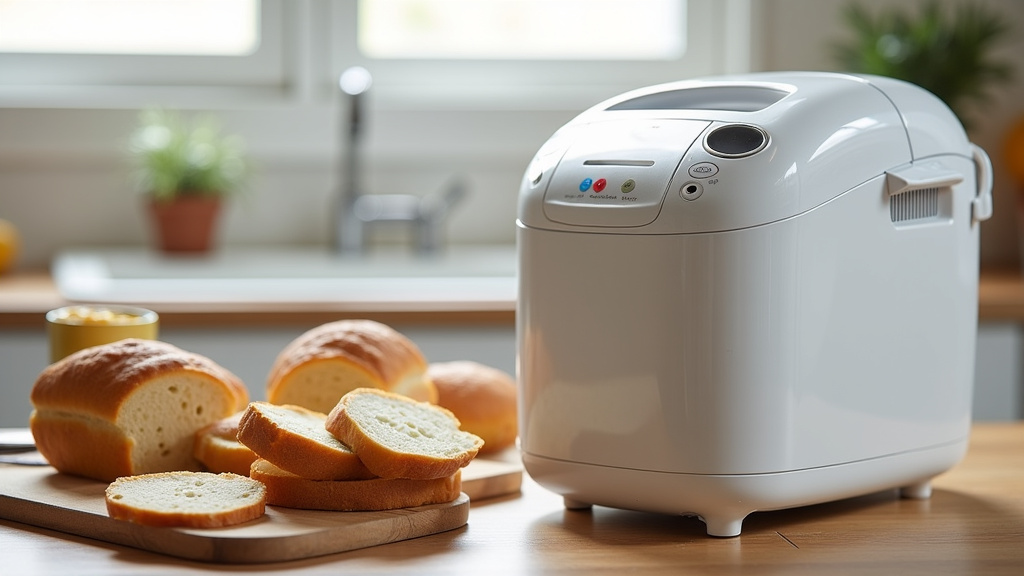
A bread machine typically uses between 400 and 700 watts of power while baking. This means it uses about as much electricity as a standard microwave oven. So, while it’s not a huge energy hog, your bread maker does draw a noticeable amount of electricity when it’s busy baking your delicious loaves.
When you’re curious about how much electricity your kitchen gadgets use, it’s smart to check. Understanding your bread machine’s power consumption helps you manage your home’s energy use. We found that the actual wattage can vary based on the bread machine’s model and the specific setting you select for your bake. For example, the kneading cycle generally uses less power than the baking phase.
- Bread machines use about 400-700 watts when baking.
- This is similar to a microwave’s power draw.
- Wattage depends on the machine’s model and cycle.
- Kneading uses less power than baking.
Let’s break down exactly how much electricity your bread machine uses for each cycle and what factors influence its power draw.
Understanding Your Bread Machine’s Power Needs
So, you’re wondering about the electricity your trusty bread maker uses, right? It’s a common question, especially when you’re trying to keep an eye on your energy bills. We’ve looked into it, and your bread machine isn’t exactly a power-guzzling monster. Think of it more like a helpful kitchen assistant.
We found that the average bread machine uses between 400 and 700 watts during its baking cycle. This is pretty comparable to many household appliances you probably use regularly. It’s helpful to know this so you can get a clearer picture of your home’s overall energy consumption.
How Bread Machines Use Electricity: A Cycle-by-Cycle Breakdown
Your bread machine goes through several distinct phases to turn simple ingredients into a warm, delicious loaf. Each of these phases requires a different amount of power. Understanding this can help you appreciate how your machine works and where the energy is going.
The Mixing and Kneading Phases
When your bread machine starts, it begins by mixing the ingredients. Then comes the kneading. This is where the motor works hard to develop the gluten in the dough. You’ll notice the paddle inside spinning and churning the dough.
During these initial stages, the power draw is generally lower than during baking. We found that the motor uses energy to turn the paddle, but it’s not constantly running at full power. It cycles on and off to knead the dough effectively. This phase typically consumes around 100 to 300 watts.
The Rising (Proofing) Phases
After kneading, your bread machine enters its rising, or proofing, stages. This is where the dough gets a chance to relax and expand. Your machine creates a warm environment to help the yeast do its work.
During proofing, the bread machine uses its heating element to maintain a consistent temperature. This isn’t as power-intensive as baking, but it does draw electricity. The wattage here is usually moderate, often similar to the kneading phase, around 150 to 300 watts. It needs enough power to keep things warm but not so much that it dries out the dough.
The Baking Phase: Where the Power Peaks
This is the main event! Once the dough has risen sufficiently, the baking cycle begins. This is when your bread machine truly shines, transforming the pale dough into a golden-brown loaf.
The baking phase requires the most electricity. Your machine uses its heating element to reach and maintain the temperature needed to bake the bread thoroughly. This is why you’ll see the highest wattage readings during this time. It’s actively cooking your bread.
As we mentioned, this is when your bread maker will typically use between 400 and 700 watts. The exact amount depends on the model and the temperature setting. Some machines might even have a “super-raise” or “quick bake” setting that could adjust these numbers slightly.
The Keep Warm Cycle
Once your bread is baked to perfection, many machines have a “keep warm” setting. This is a helpful feature that keeps your loaf at a pleasant serving temperature for a period after the baking cycle finishes.
The keep warm function uses much less electricity than the actual baking. It simply needs to maintain a low heat to prevent the bread from cooling down too quickly. You can expect this phase to use around 50 to 100 watts. It’s a gentle warmth, not an active bake.
Factors Influencing Your Bread Machine’s Wattage
While we’ve given you general ranges, it’s important to remember that not all bread machines are created equal. Several factors can influence how much electricity yours actually consumes. Knowing these can help you make more informed decisions about your appliance.
Model and Brand Differences
Just like toasters or blenders, bread machines come in a wide variety of models. Different brands and even different models within the same brand can have varying power requirements. Older models might be less energy-efficient than newer ones.
We found that some higher-end machines with more features or larger capacities might consume slightly more power. Conversely, more basic models designed for simplicity might be a bit more energy-frugal. Always check your owner’s manual for the most accurate wattage information for your specific machine.
Cycle Settings and Loaf Size
The specific cycle you choose also plays a big role. A basic white bread cycle might operate at a standard wattage. However, a whole wheat cycle or a gluten-free cycle could have slightly different temperature or time requirements, thus affecting power usage.
Furthermore, the size of the loaf you’re baking can sometimes influence energy consumption. A larger loaf might require the machine to work a bit harder or bake for a slightly longer period to cook through evenly. These small variations add up over time.
Ambient Room Temperature
This might surprise you, but the temperature of the room your bread machine is in can have a small impact. On a cold day, your machine might need to work a little harder to maintain the optimal temperature during its proofing and baking cycles. It has to overcome the colder surrounding air.
Conversely, in a very warm kitchen, the machine might not need to exert as much energy to reach and hold those required temperatures. This effect is usually minor but is something to consider for precise energy tracking.
Estimating Your Bread Machine’s Energy Cost
Now that you have an idea of the wattage, let’s talk about cost. How much does this power usage actually translate to on your electricity bill? It’s easier than you think to get a rough estimate.
To calculate the cost, you need to know three things: the wattage of your bread machine, how long you use it, and the price of electricity in your area. Most utility companies charge you by the kilowatt-hour (kWh). A kilowatt is 1000 watts.
Here’s a simple formula:
- Wattage / 1000 = Kilowatts (kW)
- Kilowatts (kW) x Hours Used = Kilowatt-hours (kWh)
- Kilowatt-hours (kWh) x Price per kWh = Total Cost
Let’s say your bread machine uses 500 watts (0.5 kW) and you bake bread for 3 hours total (including all cycles). That’s 0.5 kW * 3 hours = 1.5 kWh. If your electricity costs $0.15 per kWh, then 1.5 kWh * $0.15/kWh = $0.225, or about 23 cents to bake that loaf.
This example shows that the cost to bake bread at home with a bread machine is generally quite low. It’s often much cheaper than buying a pre-made loaf, especially when you factor in the quality and freshness of homemade bread.
Comparing Bread Makers to Other Kitchen Appliances
It’s helpful to put your bread machine’s energy usage into perspective by comparing it to other common kitchen appliances. This can help you understand its place in your home’s energy landscape.
| Appliance | Typical Wattage Range | Notes |
|---|---|---|
| Bread Machine (Baking) | 400-700 Watts | Highest usage during baking phase. |
| Microwave Oven | 600-1200 Watts | Varies greatly with power level and size. |
| Toaster Oven | 800-1500 Watts | Can use more power than a bread machine for heating. |
| Electric Kettle | 1000-1500 Watts | Boils water very quickly, high power draw for short periods. |
| Coffee Maker (Drip) | 800-1200 Watts | Uses heating element to keep coffee warm. |
| Blender | 300-700 Watts | Motor-driven, power depends on speed and ingredients. |
As you can see from the table, your bread machine’s power draw during baking is quite moderate. It’s similar to a blender and less than many other countertop appliances like microwave ovens or electric kettles, which often have higher wattage ratings.
Where your bread machine differs is in its duration of use. While a kettle might run for only a minute or two, your bread machine can be active for several hours. However, even with the longer run time, its peak wattage is manageable.
Tips for Energy-Conscious Bread Making
While bread machines are generally not huge energy hogs, you can still take a few steps to be more energy-conscious. These small habits can contribute to lower electricity bills and a more sustainable kitchen.
- Use the Right Size Loaf: Stick to the recommended loaf size for your machine. Baking a smaller loaf might not utilize the heating element as efficiently.
- Avoid Unnecessary Cycles: Only use cycles you need. Don’t use the keep warm cycle if you plan to eat the bread immediately.
- Location Matters: Place your bread machine away from drafts or direct sunlight if possible, to help it maintain temperature more easily.
- Regular Maintenance: Keep your machine clean. A well-maintained appliance often runs more efficiently.
- Batch Baking: If you love fresh bread, consider baking a couple of loaves at once if your machine allows. This doesn’t significantly increase energy use per loaf compared to baking separately.
- Check Your Manual: Familiarize yourself with your machine’s specific energy usage patterns and recommendations.
Conclusion
Your bread machine is a surprisingly energy-efficient appliance. We found that while it uses between 400 and 700 watts during its baking cycle, this is comparable to many other common kitchen gadgets. The energy used varies by cycle, with baking consuming the most power. Understanding these wattage ranges and how to estimate costs can help you feel confident about using your bread maker.
Ready to put this knowledge to use? The next time you’re craving fresh bread, check your machine’s manual for its specific wattage and the cost of electricity in your area. You might be surprised at how affordable and convenient homemade bread can be!
Frequently Asked Questions
Does a bread machine use a lot of electricity compared to an oven?
Generally, a bread machine uses less electricity than a conventional oven. While your oven’s wattage can go much higher, your bread machine typically peaks between 400-700 watts during baking. Ovens often range from 1,000 to 4,000 watts or more.
Is it cheaper to bake bread in a bread machine or by hand in the oven?
Based on our estimates, it is often cheaper to bake bread in a bread machine than in a traditional oven. The bread machine uses less energy per loaf because of its lower wattage and more controlled heating. Plus, you save on buying pre-made bread.
How can I find out the exact wattage of my bread machine?
The best way to find your bread machine’s exact wattage is to check your owner’s manual. Most manufacturers list the power consumption there. If you can’t find the manual, you might be able to find specifications on the manufacturer’s website or by using a plug-in power meter.
Should I unplug my bread machine when not in use?
While a bread machine doesn’t use much electricity when idle, unplugging it is a good habit for energy savings. This eliminates any minimal “phantom load” and is also a safety practice. It ensures no power is being drawn when the appliance isn’t actively working.
Does the “keep warm” setting on my bread machine use a lot of energy?
No, the “keep warm” setting uses very little energy. We found it typically uses only 50 to 100 watts. Its purpose is to maintain a gentle warmth for your bread, not to actively bake it, making it an efficient feature for keeping your loaf ready to eat.
