
Is Bread Maker Steam Dangerous?
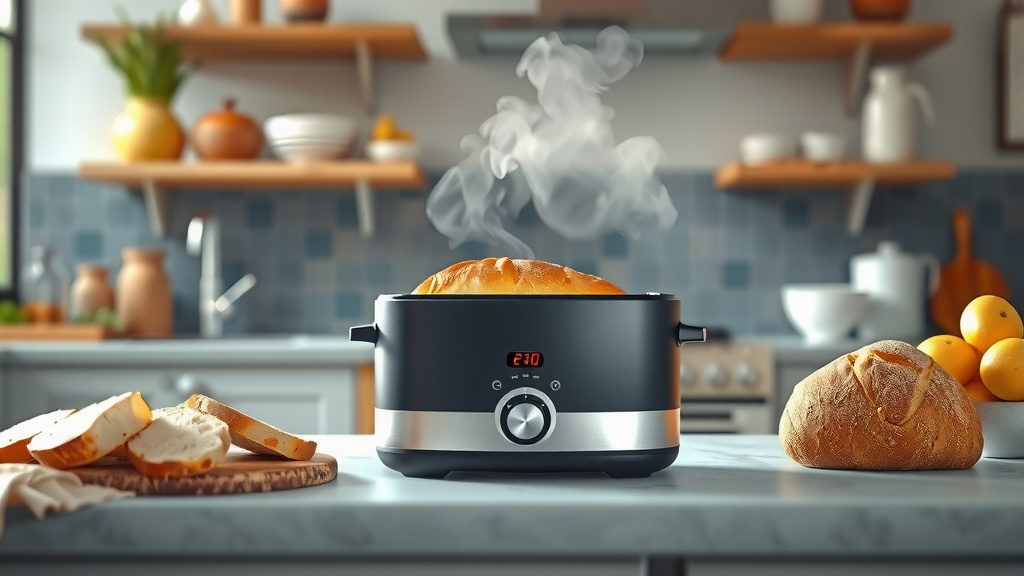
Is bread maker steam dangerous? Generally, no, but it is hot steam and can cause burns if you are not careful when the machine is operating or when opening the lid.
The steam from your bread maker is a natural part of the baking process, helping create that perfect crust, but it requires mindful handling.
Here’s a quick summary of what you need to know:
- Bread maker steam is usually not dangerous, but it is very hot.
- Always use caution when the machine is running or opening the lid.
- Proper kitchen ventilation is a simple, effective safety measure.
- The steam actually helps your bread bake beautifully and taste great.
- Simple safety habits keep you protected and your bread delicious.
Is Bread Maker Steam Dangerous?
Generally, bread maker steam is not dangerous in itself, but its heat demands respect. Think of it like steam from a boiling kettle.
It’s a natural part of baking, but direct contact can cause burns, so always keep a safe distance.
Why Does My Bread Maker Produce Steam?
Your bread maker generates steam for a good reason. As the dough cooks, moisture from the ingredients turns into vapor.
This trapped moisture helps keep the bread soft inside while giving it that lovely, crisp crust we all enjoy.
The Science of Bread Maker Steam
Research confirms steam is key to great bread (NIH). It slows crust formation, allowing the bread to expand fully.
Without steam, your bread might have a harder, less appealing crust right from the start of baking.
Is Bread Maker Steam Harmful to Breathe?
Breathing normal amounts of bread maker steam is generally not harmful. It’s just water vapor.
However, if you have a respiratory condition, any warm, moist air might feel a bit different, but it’s not toxic.
Understanding the Risks: Burns
The main risk from bread maker steam is burns. Steam coming directly from the vents or when you open the lid is very hot.
A quick puff of steam can cause a superficial burn. Always use oven mitts and stand back when opening the machine.
Preventing Steam Burns
Prevention is simple common sense. Experts recommend keeping your face and hands away from the steam vents.
When the baking cycle finishes, allow a few moments for the steam to dissipate before you open the lid carefully.
Is Condensation a Concern?
Yes, condensation can be an issue. Steam rises and can settle on nearby cabinets, walls, or even window sills.
Over time, this moisture might lead to damage or mold growth, especially in a poorly ventilated kitchen.
Addressing Condensation Issues
We found that placing your bread maker in an area with good airflow helps. Consider running a kitchen fan or opening a window.
Wiping down nearby surfaces after baking also prevents moisture buildup (CDC).
Keeping Your Kitchen Safe and Sound
Safety around any hot appliance is important. Your bread maker is no exception to this rule.
A few simple habits can ensure both your safety and the longevity of your machine. It’s about being mindful and prepared.
Optimal Placement for Your Bread Maker
Where you place your bread maker matters a lot for steam management. We suggest a spot with plenty of overhead clearance.
Avoid placing it directly under wooden cabinets that could be damaged by repeated exposure to hot, moist air.
Ventilation: Your Best Friend
Good ventilation is your ultimate ally against steam. It helps dissipate the moisture quickly and effectively.
Many experts suggest using your range hood fan if your bread maker is nearby. An open window works wonders too, we found.
Cleaning Up After Baking
Once your delicious bread is out, don’t forget a quick wipe down. This is especially true for the inside of the lid.
Any residual moisture can encourage mold or mildew over time. A dry, clean machine is a happy machine.
Regular Maintenance for Your Machine
Cleaning after each use is part of regular maintenance. This ensures your bread maker continues to function optimally.
Research shows proper care extends the lifespan of kitchen appliances, giving you many years of service.
Steam Safety Checklist
Here’s a quick list to keep you safe around your bread maker’s steam:
- Ensure good kitchen ventilation (fan, open window).
- Place the bread maker away from low cabinets.
- Use oven mitts when opening the lid or removing the pan.
- Stand back from the machine when steam is visible.
- Allow a few minutes for steam to clear before opening the lid.
- Wipe down condensation from surfaces after baking.
Comparing Steam Benefits to Potential Issues
Let’s look at the big picture. The benefits of steam for your bread are numerous, and the issues are easily managed.
This table summarizes how steam enhances your baking while highlighting straightforward solutions for any concerns.
| Aspect of Steam | Benefits for Bread | Potential Issues | Simple Solutions |
|---|---|---|---|
| Moisture Retention | Soft, tender bread interior | None directly | None needed |
| Crust Development | Crisp, appealing crust | None directly | None needed |
| Volume & Rise | Fuller, well-expanded loaf | None directly | None needed |
| Heat Energy | Efficient cooking process | Burns from direct contact | Use oven mitts, stand back |
| Vapor Output | Natural baking byproduct | Kitchen condensation | Ventilation, wipe surfaces |
Conclusion
Bread maker steam is a natural and helpful part of creating delicious homemade bread. It’s not dangerous in a scary way.
However, like any hot kitchen appliance, it requires respect and a few common-sense safety measures. Steam is hot and can burn.
By ensuring good ventilation, keeping a safe distance, and cleaning up condensation, you can enjoy your bread maker worry-free.
So, bake away! Enjoy that comforting aroma and that perfect loaf, knowing you are well-prepared for any steamy situations.
Can bread maker steam damage my kitchen cabinets?
Yes, prolonged exposure to hot, moist steam can potentially damage wooden cabinets above your bread maker, leading to warping or peeling. Always ensure good ventilation and proper clearance above the appliance to protect your cabinetry.
How do I know if my kitchen has enough ventilation for a bread maker?
If you notice significant condensation forming on nearby surfaces, or if the air feels very humid during baking, your ventilation might be insufficient. Running a range hood fan or opening a window usually provides adequate airflow.
Should I leave the bread maker lid open after baking to let steam out?
It’s generally a good idea to let the machine cool down with the lid slightly ajar for a few minutes after baking. This allows any trapped steam to escape and helps dry the internal components, preventing moisture buildup.
Can bread maker steam affect my indoor air quality?
For most people, the steam produced by a bread maker will not significantly affect indoor air quality. It’s just water vapor. However, for individuals with very sensitive respiratory conditions, excessive humidity from any source might be noticeable.
What’s the ideal placement for a bread maker to manage steam safely?
The ideal placement is on an open countertop, away from direct contact with low cabinets or walls. A location near a window or under a kitchen fan is even better to help naturally dissipate the steam produced during the baking cycle.
