
Is It Safe to Use a Bread Machine Every Day?
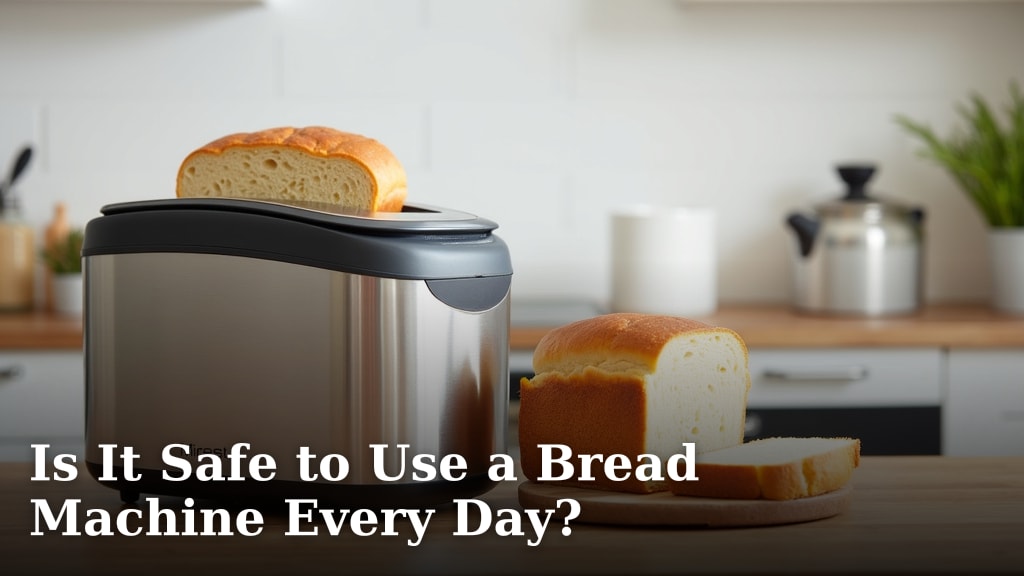
Yes, you can generally use your bread machine every day without issue. Most modern bread makers are designed for regular use. They are built with durable components that can handle daily baking cycles. You just need to keep up with basic cleaning and maintenance to ensure they run smoothly and make delicious bread for you consistently.
So, if you’re dreaming of fresh, homemade bread daily, your trusty bread machine can likely make that a reality. We’ve looked into what makes these appliances work day in and day out. Think of it like any kitchen tool; a little care goes a long way toward ensuring its longevity and performance.
- Your bread machine can usually handle daily use.
- Regular cleaning is key to its longevity.
- Most models are built with durable parts for frequent baking.
- Consistent use can save you money on store-bought bread.
Let’s break down what you need to know about using your bread machine every day to keep it running perfectly. Let’s break down what you need to know about using your bread machine every day to keep it running perfectly.
Making Daily Bread: Can Your Machine Handle It?
So, you’re thinking about firing up your bread machine every single day. That’s fantastic! The good news is, for most modern machines, the answer is a resounding yes. These appliances are generally built to withstand regular use, much like your trusty toaster or coffee maker. Think of them as sturdy kitchen workhorses.
We’ve looked into what makes these machines tick and what you need to know. You can absolutely enjoy fresh bread daily. It’s all about understanding your machine and giving it a little TLC. Let’s get into the details.
Understanding Your Bread Machine’s Durability
Most bread machines today are designed with durable components. This means they can handle the heat and the repeated cycles of kneading, rising, and baking. Manufacturers know that people love fresh bread and want to use their machines often. They aren’t typically built for occasional use only.
You’ll find that the motors, heating elements, and mixing paddles are usually quite robust. This allows for consistent performance, day after day. So, if your goal is daily baking, your machine is likely up for the task. It’s built for the job!
What Makes Them So Durable?
The internal parts of a bread machine are engineered for repeated cycles. The kneading action, while seemingly vigorous, is often managed by a motor designed for this specific purpose. The heating element is also built to withstand being turned on and off regularly.
We found that manufacturers test these components extensively. They aim for reliability over thousands of hours of use. This reassures us that your daily baking habit is well within the machine’s design limits. It’s like a car engine; it needs regular maintenance but is made to run often.
The Importance of Regular Cleaning and Maintenance
While your bread machine is built tough, daily use means it needs a little extra attention. Cleaning is probably the single most important thing you can do. It keeps everything running smoothly and prevents issues.
Think about it: flour, dough, and crumbs can accumulate. If left unchecked, this buildup can affect performance and even lead to problems down the line. A clean machine is a happy, productive machine!
Daily Cleaning Habits
After each use, it’s wise to clean the bread pan and the kneading paddle. Most bread pans have a non-stick coating. Wiping them out with a damp cloth while they are still a little warm (but not hot!) is usually best.
Make sure to remove any leftover dough or crumbs from the paddle. Sometimes, dough can get stuck under it. A gentle scrub with a soft brush or sponge can help. This simple step prevents food particles from baking on and becoming difficult to remove later.
Deeper Cleaning Routines
Beyond the daily wipe-down, you’ll want to do a more thorough cleaning every so often. This might mean cleaning the inside of the machine itself. You can usually wipe down the interior surfaces with a damp cloth.
Pay attention to any areas where flour dust might have settled. The exterior of the machine also benefits from a gentle cleaning. This keeps your appliance looking good and functioning well. Many manuals suggest a deeper clean once a month, depending on usage frequency (check your specific model’s guide).
Dealing with the Kneading Paddle
The kneading paddle is a common spot for residue. If it’s stuck in the pan, you might need to let the pan soak briefly. Some paddles are dishwasher safe, but many are not. Always check your manual first!
If the paddle is stuck inside the machine after a bake, wait for it to cool down. Then, gently try to wiggle it free. Sometimes, a tiny bit of oil around the central spindle can help loosen it for the next cycle. Never force it, as this can damage the mechanism.
Potential Issues with Daily Use (and How to Avoid Them)
While daily use is generally safe, there are a few things to watch out for. Overheating is a common concern with any appliance that has a heating element. However, most modern bread machines are designed with thermal protection.
This means they have safety features to prevent overheating. If the machine gets too hot, it will usually shut itself off or pause the cycle. This is a built-in safety measure to protect the components and prevent accidents.
Overheating Concerns and Solutions
If you plan to bake back-to-back loaves, it’s a good idea to let the machine cool down between cycles. This isn’t always strictly necessary, but it can help prolong the life of the motor and heating element.
A 15-30 minute rest period between bakes can make a difference. During this time, you can also clean the pan and prepare for the next batch. This gentle approach ensures your machine doesn’t get stressed. It’s like letting your car cool down after a long drive before heading out again.
Wear and Tear on Components
Like any machine with moving parts, some wear and tear is inevitable with daily use. The kneading paddle and its spindle are prime examples. Over time, the non-stick coating on the paddle might wear off, or the spindle could become a bit loose.
This is usually a sign that it’s time to consider replacing these parts. Many manufacturers sell replacement paddles and other accessories. Keeping an eye on these components can prevent bigger issues. It’s much easier to replace a worn-out paddle than to repair a damaged motor.
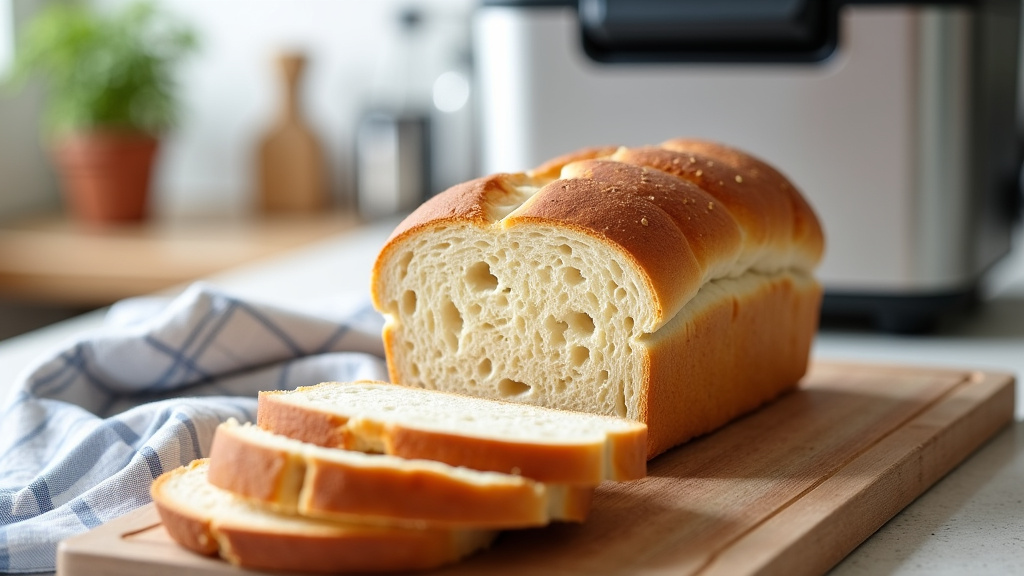
When to Consider a Break or Replacement Parts
You’ll know when it’s time for a break or when parts might need attention. Are you noticing the dough isn’t being kneaded as well? Does the bread sometimes have an undercooked bottom or a burnt top, even when using the same recipe?
These could be signs that your machine is working harder than it used to. It might be time to give it a rest or inspect its components. Don’t ignore these subtle changes; they are your machine’s way of telling you it needs a little help.
Signs Your Machine Needs Attention
Listen for unusual noises during the kneading cycle. Grinding or squeaking sounds can indicate a problem with the motor or spindle. Also, check the paddle itself. Is it wobbling excessively? Does it seem loose on the spindle?
Another sign might be inconsistent baking. If your loaves are suddenly coming out unevenly baked, even with the same ingredients and settings, it’s worth investigating. Check the heating element for any visible damage, though this is rare (Mayo Clinic).
Identifying Wear and Tear
The kneading paddle is often the first part to show significant wear. The non-stick coating can get scratched or worn away over time, especially if you use metal utensils around it. The spindle connection can also loosen.
If your paddle is visibly damaged or doesn’t spin freely, it’s probably time for a replacement. You can usually find these parts on the manufacturer’s website or through appliance parts retailers. Replacing a paddle is a simple fix that can restore your machine’s performance.
Cost Savings and Convenience of Daily Bread Making
Beyond the practicalities of machine durability, let’s talk about why you’re doing this: delicious, homemade bread! Using your machine every day can lead to significant cost savings. Store-bought bread, especially specialty loaves, can add up quickly.
The convenience factor is huge, too. Imagine waking up to the smell of freshly baked bread every morning without lifting a finger at 5 AM. Your bread machine handles all the hard work for you. This is a major perk for busy households.
Budget-Friendly Baking
We found that the cost of ingredients for homemade bread is often much lower than buying pre-made loaves. Flour, yeast, water, and salt are relatively inexpensive staples. Even with the cost of electricity, baking at home can be more economical (U.S. Department of Energy).
Over a year, the savings can be quite substantial, especially if you’re buying premium or organic breads from the store. Your bread machine can pay for itself through these savings in no time.
The Joy of Freshness and Control
There’s also the undeniable joy of freshness. Nothing beats the taste and texture of bread made just hours or even minutes before you eat it. Plus, you have complete control over the ingredients. You can avoid preservatives, artificial flavors, or excessive sodium.
This makes daily bread making a healthier option for many families. You know exactly what’s going into your food. This control is a major benefit that many people cherish when they switch to homemade.
Your Daily Bread Machine Checklist
To ensure your bread machine continues to serve you well day after day, keep these simple steps in mind:
- Wipe down the bread pan and paddle after each use.
- Ensure the paddle is clean and free from dough before the next cycle.
- Check the kneading paddle for signs of wear or damage regularly.
- Allow the machine a short break between back-to-back bakes if possible.
- Refer to your user manual for specific cleaning and maintenance advice.
- Inspect the interior and exterior of the machine for any crumb buildup.
Conclusion
You’ve learned that using your bread machine daily is generally safe and practical. These machines are designed for durability, meaning they can handle frequent baking cycles with ease. The key to consistent performance and a long lifespan lies in regular cleaning and simple maintenance. By following basic care routines, you can avoid common issues like overheating and ensure your machine keeps producing delicious loaves.
So go ahead and enjoy that fresh bread every day! Your next step is to incorporate these easy cleaning habits into your routine to keep your trusty bread maker in top shape for years to come.
Frequently Asked Questions
Will using my bread machine every day wear it out faster?
While daily use does mean more wear and tear, most modern bread machines are built to last with regular cycles. Consistent cleaning and allowing short breaks between bakes, especially if baking multiple loaves, can significantly extend the life of your appliance’s components.
How often should I deep clean my bread machine?
A good rule of thumb is to perform a deeper clean of the interior and exterior of your bread machine about once a month, especially if you’re using it daily. Always refer to your specific model’s user manual for the manufacturer’s recommendations on cleaning frequency and methods.
Can I bake two loaves back-to-back without issues?
It’s usually best to allow your bread machine a short cooling-off period, perhaps 15-30 minutes, between back-to-back bakes. This helps prevent the motor and heating element from overheating, which can prolong their lifespan and ensure consistent baking results.
What are the signs that my bread machine’s kneading paddle needs replacing?
Look for visible damage, like scratches or wear on the non-stick coating, or if the paddle seems loose or wobbles excessively on the spindle. If dough isn’t being kneaded effectively or you hear unusual noises from the spindle area, it might be time for a new paddle.
Is it more expensive to run a bread machine daily than to buy bread?
Generally, no. The cost of basic ingredients like flour, yeast, and water is often much lower than purchasing store-bought loaves, even when factoring in electricity costs. Over time, daily homemade bread can lead to significant savings, especially if you opt for specialty breads.
