
Should Bread Maker Ingredients Be At Room Temperature?
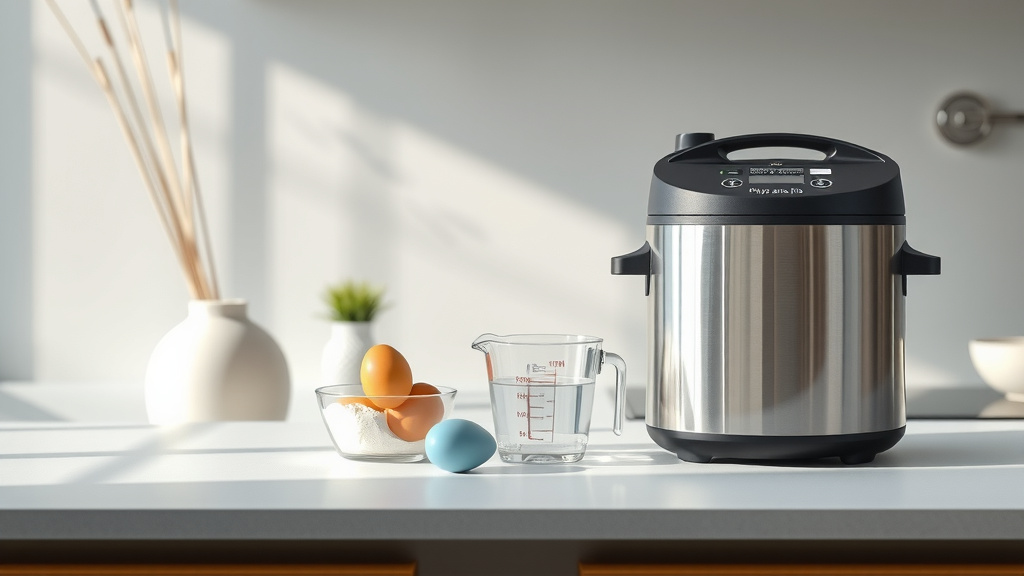
Yes, for the best bread maker results, using room temperature ingredients is generally the golden rule to promote ideal yeast activity and dough consistency.
Ensuring your bread maker ingredients are at a moderate temperature helps prevent issues with rising and gives your bread a superior texture and flavor.
Here’s the short and sweet on why ingredient temperature matters for your bread maker:
- Room temperature is often best for yeast activity and dough texture.
- Cold water or milk can slow down yeast, impacting your rise.
- Warm ingredients can over-activate yeast, leading to a quick, then collapsed, rise.
- Flour at room temperature helps with gluten formation.
- A little planning ensures your bread maker delivers a perfect loaf every time.
Should Bread Maker Ingredients Be At Room Temperature?
Yes, generally, using room temperature bread maker ingredients is highly recommended for achieving the best results in your homemade bread.
This careful approach helps create the perfect environment for yeast and dough development.
Why Ingredient Temperature is Your Secret Weapon
Think of your bread maker as a miniature bakery. Just like a professional baker, you want to give your ingredients the best possible start.
Temperature plays a massive role in how yeast behaves and how your dough develops its structure. It’s a bit like setting the stage for a great performance.
The Science of Yeast and Warmth
Yeast, the tiny living organisms that make your bread rise, are quite sensitive to temperature. Too cold, and they become sluggish, leading to a dense loaf.
Too warm, and they might activate too quickly, exhaust themselves, and then collapse, resulting in a poorly structured bread (NIH).
The Sweet Spot for Your Ingredients
Many experts say the ideal temperature range for most bread ingredients is between 68°F and 77°F (20°C to 25°C). This range keeps the yeast happy.
When everything is balanced, your yeast can work steadily, producing a beautiful, airy crumb texture.
What About Specific Bread Maker Ingredients?
Not all ingredients are created equal when it comes to temperature. Let’s break down the common ones you’ll use in your bread maker.
Understanding each one helps you fine-tune your process for a consistently good loaf.
Flour: The Foundation of Your Loaf
We found that flour stored at room temperature is usually best. Cold flour can lower the overall dough temperature, slowing down yeast activity.
It also mixes more easily, preventing clumps and ensuring even gluten development when it hydrates.
Water or Milk: The Liquid Lifeblood
This is perhaps the most critical component for temperature. Cold liquids shock the yeast, making it hard for them to get going.
Warm liquids, around 90°F to 105°F (32°C to 40°C), are often ideal for activating dry yeast directly (Mayo Clinic).
However, if using a delayed timer, some experts suggest using slightly cooler water to prevent premature yeast activation.
Yeast: The Mighty Raiser
Active dry yeast typically prefers warm water to “bloom,” but instant yeast can often be added directly with other ingredients.
Still, ensuring the surrounding ingredients aren’t too cold helps instant yeast wake up and start its work efficiently.
Eggs: Adding Richness and Structure
If your recipe calls for eggs, bringing them to room temperature is a good practice. Cold eggs can change the dough’s consistency.
Room temperature eggs blend more smoothly into the dough and contribute to a better overall texture.
Butter or Oil: For Flavor and Tenderness
Softened, room temperature butter is much easier for the bread maker to incorporate into the dough. Hard, cold butter can clump.
Oils are usually liquid at room temperature anyway, so they typically don’t require special attention.
The Downside of Incorrect Temperatures
Using ingredients that are too hot or too cold can throw your whole bread-making process off balance. It’s like a domino effect in your bread pan.
You might end up with bread that’s not quite what you hoped for, which can be a little disappointing.
Too Cold: A Sluggish Start
If your ingredients are too cold, the yeast will be slow to activate. This often leads to a poor rise, resulting in a dense, heavy loaf.
It can also extend the kneading and rising cycles, pushing your bread maker to work harder.
Too Hot: A Rapid, Unstable Rise
Ingredients that are too warm can over-activate the yeast. This might cause a rapid rise initially, making you think you’re on track.
But often, the yeast exhausts itself too quickly, and the dough collapses during baking, giving you a dense, sunken loaf.
Quick Tips for Achieving Room Temperature
Don’t worry, bringing your ingredients to the right temperature is super easy. A little planning goes a long way here.
These simple steps ensure you’re always ready to bake a perfect loaf of bread.
- Take eggs and milk out of the fridge about 30-60 minutes before you plan to bake.
- Use a microwave on a very low setting or warm water bath to gently warm liquids if needed.
- Measure flour and let it sit on the counter for a bit if it was stored in a cool place.
- Avoid using extremely hot liquids; they can kill the yeast immediately.
- Always check liquid temperatures with a thermometer for accuracy and peace of mind.
Comparing Ingredient Temperatures
Here’s a quick guide to common ingredient temperatures and their effects:
| Ingredient | Ideal Temp | Effect if Cold | Effect if Hot |
|---|---|---|---|
| Flour | Room Temp (68-77°F) | Slows yeast, clumpy dough | No major issue for flour |
| Water/Milk | Warm (90-105°F) | Sluggish yeast, poor rise | Kills yeast, no rise |
| Eggs | Room Temp (68-77°F) | Stiff dough, uneven texture | Cooks slightly, alters texture |
| Butter | Softened Room Temp | Clumps, poor incorporation | Greasy dough, structural issues |
Your Bread Maker Success Checklist
To ensure every loaf is a winner, keep this simple checklist handy. It helps you manage your baking prep like a pro.
Following these steps will make your bread-making experience both easier and more rewarding.
- Check your recipe for specific temperature recommendations.
- Plan ahead and remove cold ingredients from the fridge.
- Use a kitchen thermometer for liquids to ensure proper warmth.
- Measure all ingredients accurately before adding them.
- Place liquids in the bread pan first, then dry ingredients, with yeast on top.
Conclusion
Achieving the right temperature for your bread maker ingredients is more than just a suggestion; it’s a fundamental step for baking success.
While a bit of warmth works wonders for yeast, balancing all your ingredients at room temperature helps create the perfect dough environment.
By simply paying attention to these temperature details, you’re well on your way to enjoying consistently delicious, beautifully risen loaves from your bread maker.
Happy baking, and enjoy the wonderful aroma of freshly baked bread!
What happens if I use cold water in my bread maker?
Using cold water can slow down or even inhibit the yeast activity, leading to a much longer rise time and often a dense, heavy loaf of bread with poor volume.
Can I use warm milk directly from the stove in my bread maker?
No, milk that is too hot can kill the yeast instantly, preventing your bread from rising at all. Always aim for lukewarm temperatures, typically between 90-105°F (32-40°C).
Does the room temperature itself affect bread maker results?
Yes, the ambient room temperature can subtly affect your bread maker. A very cold kitchen might slow down the dough’s rise even with proper ingredient temperatures, while a very warm kitchen could speed it up.
Is it always necessary to bring eggs to room temperature for bread?
While not strictly mandatory for every recipe, bringing eggs to room temperature helps them incorporate more smoothly into the dough and can contribute to a lighter, more uniform texture in the final loaf.
What’s the best way to quickly warm up cold ingredients?
For liquids, you can gently microwave them for short bursts or place the container in a bowl of warm water. For eggs, submerge them in warm (not hot) tap water for 5-10 minutes. Avoid overheating anything.
