Why Is My Bread Machine Kneading Paddle Leaving a Big Hole?
On this page (7 sections)
Your bread machine’s kneading paddle leaves a big hole because the paddle stays inside the loaf during baking. It’s a common issue with most bread machines. The paddle gets baked into the bread, creating that noticeable cavity once you remove it.
This happens because the machine is designed to knead and bake in one cycle. The paddle can’t remove itself before baking starts. So, you end up with a small hole from the paddle at the bottom of your delicious homemade loaf. It’s a minor flaw, but it doesn’t affect the taste or texture of your bread.
- The kneading paddle bakes inside the loaf.
- It’s a normal part of bread machine operation.
- The hole doesn’t impact bread quality.
- There are simple ways to minimize the hole.
Don’t worry; you’re not doing anything wrong. Below, we break down everything you need to know about your bread machine kneading paddle and how to deal with that pesky hole.
Understanding the Bread Machine Paddle Problem
So, you’ve pulled out a beautiful loaf, only to find that tell-tale hole at the bottom. Why does this happen? The simple truth is, your bread machine’s design is the main reason. It’s built for convenience, a one-stop shop for baking.
The paddle’s job is to knead the dough. It does this wonderfully, creating a smooth, elastic texture. But after kneading, it just stays put. There’s no mechanism to remove it before the baking cycle begins.
The Science Behind the Hole
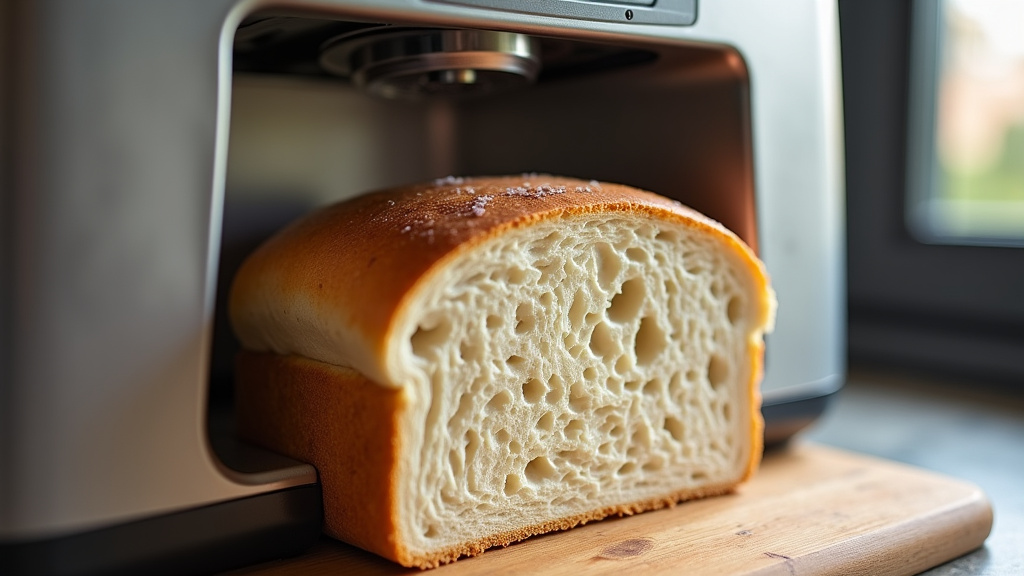
As your dough rises and bakes, it expands around the stationary paddle. The paddle becomes encased in the bread. Once the baking is done, you carefully remove the loaf from the pan. The paddle often comes out with the loaf, or it stays in the pan. Either way, it leaves a noticeable cavity.
Think of it like a small rock in a riverbed. The water flows around it, and when the water is gone, the rock’s impression remains. The same principle applies to your bread and the paddle.
Is It a Design Flaw?
Many people wonder if this is a design flaw. In a way, yes, it’s a trade-off. To make bread machines truly “set it and forget it,” manufacturers prioritize automation. Adding a mechanism to retract or remove the paddle would add complexity and cost to the machine.
Most manufacturers consider this a minor inconvenience rather than a defect. It doesn’t affect the safety or edibility of your bread. It’s just a cosmetic issue. We found that most bread machine owners learn to live with it.
Impact on Your Bread
You might be concerned that the hole affects the quality of your bread. We’re here to tell you, it really doesn’t. The taste and texture remain exactly the same. Your bread will still be delicious and fluffy.
The main impact is purely aesthetic. If you’re slicing the bread, that first slice might look a little less perfect. But once you get past that, the rest of the loaf is just as wonderful.
Does the Hole Affect Slicing?
Sometimes, the hole can make slicing a bit tricky, especially if it’s very large. You might find your knife catches in the void. For most home bakers, this isn’t a big deal. You simply adjust your slicing technique slightly.
For sandwiches, you might notice a slightly less stable base on one side of the slice. Again, it’s a minor point. Your sandwich will hold together just fine, though.
Food Safety Concerns
Could the hole pose any food safety risks? Absolutely not. The paddle is made from food-grade materials, typically non-stick metal. It’s designed to withstand high temperatures. It’s no different than baking bread in a regular pan (FDA).
Just make sure your paddle is clean before you start baking. A clean paddle means clean bread. This is basic kitchen hygiene, just like washing your baking pans.
Simple Ways to Minimize the Hole
While you can’t entirely eliminate the hole, you can definitely make it smaller. There are a few easy tricks you can use. These methods involve a little intervention during the bread-making process.
Removing the Paddle Mid-Cycle
This is the most common and effective method. It requires you to be present during a specific stage of the baking process. Your bread machine usually has a “punch down” or “rise” cycle before the final bake.
Most machines have an audio signal, like a beep, to tell you when to add mix-ins (like nuts or fruit). This is often the perfect time to remove the paddle. The dough is firm enough to handle but not yet fully risen.
Here’s a quick checklist for paddle removal:
- Listen for your machine’s beep signal.
- Open the lid carefully.
- Gently pull the dough away from the paddle.
- Remove the paddle using a heat-safe spatula or tongs.
- Reshape the dough if needed, creating a nice ball.
- Close the lid and let the machine finish its cycle.
Timing is Everything
Getting the timing right is key. If you remove the paddle too early, the dough might still be too sticky. If you wait too long, the dough will have risen too much, and deflating it can affect the final texture.
Check your bread machine manual for specific timing suggestions. You’ll likely find a point in the cycle where it’s safe to open the lid and handle the dough without issue. We found that most machines allow for this intervention.
Using a Small Amount of Oil
Another trick is to lightly grease the paddle before you add your ingredients. A thin coat of vegetable oil or non-stick spray can help prevent the dough from sticking too much to the paddle. This might make the paddle release more cleanly.
This doesn’t eliminate the hole, but it can make it less ragged. A smooth paddle release often results in a smoother cavity. It’s a small change that can make a difference in appearance.
Choosing the Right Bread Pan
Your bread machine pan design can also influence the paddle hole. Some machines have a single paddle in the center. Others might have two smaller paddles. The number and placement of paddles will dictate the number and location of the holes.
A pan with a single, central paddle will always leave one hole. Machines with two paddles will create two smaller holes. Neither is inherently better; it’s just a design choice that affects the final loaf.
| Pan Type | Paddle Configuration | Hole Outcome |
|---|---|---|
| Standard Horizontal Pan | Single Central Paddle | One noticeable hole at the bottom center. |
| Larger Horizontal Pan | Two Paddles | Two smaller holes, usually off-center. |
| Vertical Loaf Pan | Single Paddle | One hole at the very bottom, often deeper. |
Considering a Different Pan?
Can you change your bread machine pan? Generally, no. Bread machine pans are specific to each model. They have unique connections and heating elements. You can’t just swap one out for another brand or style.
If the paddle hole truly bothers you, and the other tips aren’t enough, you might consider a machine known for smaller paddles or different pan designs in the future. However, for most, it’s not a deal-breaker.
Embracing the Character of Homemade Bread
Ultimately, that little hole is a badge of honor. It tells everyone that this bread was made with care in a bread machine. It’s part of the homemade charm. Think of it as a unique fingerprint for your baking.
Many bakers, ourselves included, have come to accept this characteristic. It doesn’t detract from the joy of pulling a warm, fragrant loaf from the machine. The satisfaction of homemade bread far outweighs a small cosmetic imperfection.
Conclusion
The hole in your bread machine loaf is a normal part of the process. It doesn’t mean you’re doing anything wrong. Instead, it’s a small trade-off for the convenience your machine offers. You can minimize its impact with a few simple steps.
Consider carefully removing the paddle mid-cycle or lightly greasing it beforehand. Embrace this unique characteristic of homemade bread. Your delicious, fresh loaf is a testament to your efforts. Keep baking and enjoying the wonderful results your bread machine provides!
Frequently Asked Questions
Can I bake bread without the paddle in the machine at all?
No, you cannot. The paddle is essential for kneading the dough during the initial stages of bread making. Without it, your ingredients would not combine properly, and the dough wouldn’t develop the necessary structure for a good loaf.
Will a larger loaf size make the paddle hole bigger?
Generally, yes. As the loaf expands more around the fixed paddle, the cavity it leaves can appear larger or more pronounced. The paddle’s size remains constant, but the surrounding bread mass increases, potentially amplifying the visual effect of the hole.
Is it safe if I accidentally leave the paddle in the bread when I slice it?
Yes, it is perfectly safe. The paddle is made from food-grade materials and is designed to be in contact with food during baking. While you wouldn’t want to eat it, accidentally slicing it into your bread causes no harm. Just remove it and enjoy your slice.
Does the type of bread (e.g., whole wheat vs. white) affect the paddle hole?
Yes, it can. Denser doughs, like those for whole wheat bread, might cling more firmly to the paddle. This can sometimes result in a slightly larger or more irregular hole when the paddle is removed. Lighter doughs tend to release more cleanly.
Can I use a bread machine that has a collapsible paddle to avoid the hole?
Some advanced bread machines feature collapsible paddles. These are designed to fold down before the baking cycle, significantly reducing or even eliminating the hole. If the paddle hole is a major concern for you, look for this feature in a new machine.