
What Is a Sourdough Starter?
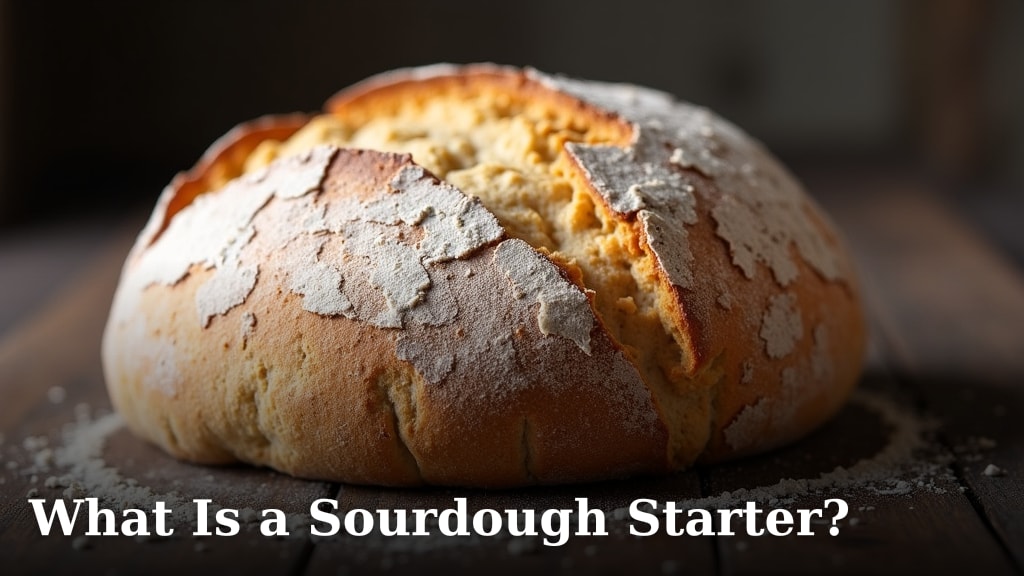
A sourdough starter is a living mix of flour and water that creates natural yeast. It captures wild yeast and bacteria from its surroundings. This fermentation process gives sourdough bread its unique tangy flavor and airy texture.
Think of it as a pet you feed regularly; it needs consistent care to thrive. This active culture helps your bread rise without needing commercial yeast. Many bakers love the tradition and the deep flavors a starter provides to their baking.
- A sourdough starter is a live culture of flour and water.
- It harnesses wild yeast and bacteria for fermentation.
- This mixture helps bread rise and adds a distinct tangy taste.
- Starters need regular feeding and care to stay active.
- It’s a natural alternative to store-bought yeast for baking.
Ready to bake some amazing bread? Let’s explore exactly what makes a sourdough starter tick and how you can get one going.
What Exactly Is a Sourdough Starter Made Of?
A sourdough starter is a simple mixture, yet it holds a complex world of microbiology. You only need two basic ingredients to begin this exciting journey.
These ingredients, combined with time and warmth, become a living, breathing entity. It’s truly amazing how something so simple can create such delicious bread.
The Essential Ingredients for Your Starter
Creating a starter is quite accessible. You likely already have what you need in your kitchen.
Flour: The Food Source
Flour is the primary food for the wild yeast and bacteria in your starter. The type of flour matters, influencing how your starter behaves and tastes.
- Unbleached All-Purpose Flour: This is a common and easy-to-find choice. It works well for many bakers.
- Whole Wheat Flour: Many experts say whole wheat flour can give your starter a great boost. It often has more nutrients for the microbes (Journal of Cereal Science). This can help it get active quickly.
- Rye Flour: Rye is another popular option for jumpstarting a starter. It’s known for its robust microbial content.
You can also use a mix of flours. Some bakers swear by a 50/50 blend of whole wheat and all-purpose flour. This combines the benefits of both.
Water: The Hydrator
Water is crucial for activating the flour and allowing microbial growth. But not just any water will do.
- Unchlorinated Water: Chlorine in tap water can harm the delicate microbes in your starter. If your tap water is chlorinated, let it sit out for 24 hours. This allows the chlorine to evaporate.
- Filtered Water: Using filtered water is an excellent option. It removes impurities that might affect your starter’s health.
- Spring Water: Bottled spring water is also a safe bet. Just make sure it’s not distilled, as distilled water lacks the minerals microbes need.
The right water ensures a happy and thriving starter. Think of it like giving your pet the best food and water.
The Science Behind Your Bubbly Starter
What makes a sourdough starter bubble and rise? It’s all about teamwork between tiny organisms.
This natural process turns a simple flour and water mix into a powerful leavening agent. It’s a fascinating example of natural fermentation.
Wild Yeast: The Rising Agent
Wild yeast is everywhere around us, even in the air you breathe. Your starter captures these airborne yeasts.
Once captured, they feast on the sugars in the flour. As they eat, they produce carbon dioxide gas. This gas is what creates bubbles and makes your bread rise. It’s the same principle as commercial yeast, just from a natural source.
Lactic Acid Bacteria: The Flavor Makers
Alongside wild yeast, lactic acid bacteria (LAB) are essential partners. These bacteria are also naturally present on flour and in the environment.
LAB produce lactic acid and acetic acid. These acids give sourdough its signature tangy flavor. They also help preserve the starter and contribute to the bread’s texture (Food Microbiology).
The balance between yeast and bacteria is key. It affects how your starter smells, tastes, and performs. This balance changes depending on factors like temperature and feeding schedule.
Understanding the Fermentation Process
Fermentation is the magical conversion happening inside your starter. It’s a continuous cycle of feeding and activity.
This cycle is vital for keeping your starter healthy and active. Understanding it helps you become a better sourdough baker.
How Your Starter Develops Over Time
When you first mix flour and water, not much happens. But over several days, your starter will come alive.
You’ll see small bubbles at first, then more vigorous activity. The smell will change too, from doughy to pleasantly sour.
The first few days are about establishing the right microbial colony. It’s like building a tiny, invisible ecosystem in a jar.
The Role of Temperature
Temperature plays a huge role in starter activity. Warm temperatures speed up fermentation; cold temperatures slow it down.
Many bakers aim for a room temperature between 70-78°F (21-25°C). This range encourages robust growth. Too cold, and your starter might be sluggish. Too hot, and it could ferment too quickly and become too acidic.
Finding the sweet spot for your home environment is part of the fun. It’s a little like being a scientist in your own kitchen.
The Life Cycle of Your Sourdough Starter
Your starter has a rhythm, a cycle of rising and falling. Knowing this rhythm helps you feed it at the right time.
Imagine it like a wave, reaching a peak and then receding. You want to use it at its strongest point.
Feeding Your Starter: The Essential Routine
Feeding is the most critical part of starter care. It provides fresh food for the microbes and keeps them active.
Typically, you feed your starter a mixture of equal parts flour and water by weight. This is after discarding a portion of the old starter. Don’t worry, discarding sounds harsh, but it’s important!
Here’s a simple checklist for feeding:
- Measure your starter.
- Discard a portion (or use it in another recipe!).
- Add fresh flour.
- Add fresh unchlorinated water.
- Mix until combined.
- Cover loosely and let it rest.
Regular feeding prevents your starter from becoming too acidic or sluggish. It’s like giving your plant water and sunlight.
Active vs. Dormant Starter
An active starter is bubbly, smells pleasantly sour, and has grown significantly since its last feeding. It’s ready to bake with.
A dormant starter is one you keep in the refrigerator. It’s fed less often, usually once a week. This slows down its metabolism. Think of it as putting your starter to sleep for a bit.
When you want to bake, you’ll take your dormant starter out. You’ll feed it a few times at room temperature to wake it up. This process ensures it’s strong enough to make your bread rise.
Why Bother with a Sourdough Starter?
With commercial yeast readily available, why go through the effort of maintaining a starter?
Many bakers find the rewards far outweigh the effort. It’s more than just baking; it’s a connection to an ancient craft.
Taste and Texture Benefits
Sourdough bread has a distinctive flavor profile. It’s a complex tanginess you can’t get from commercial yeast.
The acids produced by LAB break down starches and proteins. This creates a unique texture, often with a chewy crumb and a crispy crust. It’s a true sensory experience.
Digestibility and Nutritional Aspects
Some research suggests sourdough bread can be easier to digest for certain people. The long fermentation process breaks down complex carbohydrates and gluten (Journal of Agricultural and Food Chemistry).
While not a cure for gluten intolerance, it may be gentler on some digestive systems. It also increases the bioavailability of certain nutrients.
It’s a more traditional way of making bread. Many people appreciate knowing exactly what goes into their food.
Commercial Yeast vs. Sourdough Starter: A Quick Look
Both commercial yeast and sourdough starter help bread rise. But they achieve it in different ways, leading to different results.
Understanding these differences can help you choose the best leavening agent for your baking goals.
| Feature | Sourdough Starter | Commercial Yeast |
|---|---|---|
| Components | Wild yeast, lactic acid bacteria, flour, water | Single strain of active dry yeast |
| Flavor | Tangy, complex, nuanced | Mild, yeasty |
| Rising Time | Slower, longer fermentation (hours to days) | Faster, usually 1-2 hours |
| Maintenance | Needs regular feeding and care | Shelf-stable, no ongoing care |
| Digestibility | Potentially easier for some due to fermentation | Standard digestibility |
| Cost | Initial flour/water, ongoing feeding | Inexpensive packets/jars |
As you can see, a sourdough starter is a commitment, but it offers unique rewards. It’s a living ingredient that brings deep character to your baking.
Conclusion
You’ve seen that a sourdough starter is much more than just flour and water. It’s a vibrant ecosystem that brings incredible flavor and unique texture to your baking. Understanding its simple ingredients and the fascinating science behind its bubbles helps you nurture it. This allows you to bake delicious, digestible bread right in your own kitchen.
Embracing a sourdough starter is a rewarding journey, connecting you to ancient baking traditions. So, why not begin your own starter today? Your taste buds, and perhaps even your gut, will thank you.
Frequently Asked Questions
How long does it take to create a sourdough starter from scratch?
Typically, it takes about 5 to 10 days to establish a strong, active sourdough starter. This depends on factors like your environment’s temperature and the type of flour you use. You’ll know it’s ready when it consistently doubles in size after feeding.
Can I use any type of flour for my sourdough starter?
While you can use various flours, unbleached flours like whole wheat or rye are often recommended for starting. They contain more natural microbes that help kickstart the fermentation process. Once established, you can maintain your starter with all-purpose flour.
What does a healthy sourdough starter look and smell like?
A healthy, active starter will be bubbly and have a light, airy texture. It will smell pleasantly sour, often described as yeasty, fruity, or like ripe yogurt. If it smells like nail polish remover, it might be hungry and need a feeding.
Do I have to name my sourdough starter?
While not required, many bakers enjoy naming their sourdough starters! It’s a fun tradition that helps build a connection to this living ingredient. Think of it as a culinary companion that helps you bake amazing bread.
What if my sourdough starter isn’t bubbling or rising?
Don’t worry, this is common for new starters. Ensure you’re using unchlorinated water and feeding it regularly. Try moving it to a warmer spot in your home (around 75°F). Sometimes, switching to a whole grain flour for a few feedings can give it a boost.
