What Is the Best Flour for Gluten Free Bread Machine Bread?
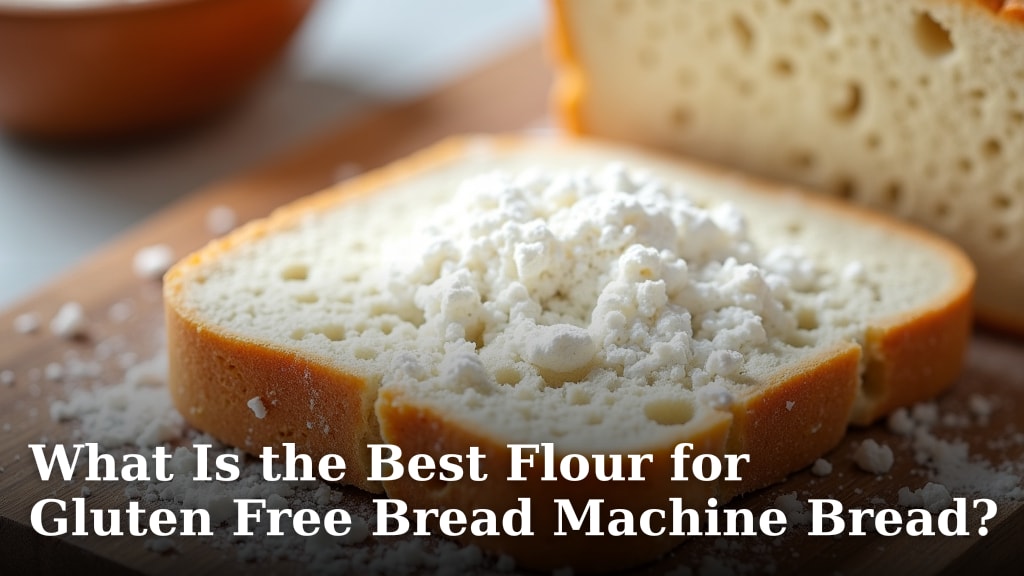
For the best gluten-free bread machine bread, a blend of flours often works best. We found that a combination of rice flour, tapioca flour, and potato starch creates an ideal texture. This mix helps mimic the elasticity of traditional gluten.
You’re probably looking for a loaf that’s not gummy or crumbly, right? We understand the struggle of gluten-free baking. Achieving that perfect rise and soft crumb takes the right ingredients, especially when using a bread machine. The correct flour choice is key to your baking success.
- Achieve great texture with blended flours.
- Rice flour, tapioca flour, and potato starch are top choices.
- These flours help with structure and elasticity.
- Avoid gummy or crumbly gluten-free loaves.
Let’s dive into why these flours are so effective and how to use them for your perfect gluten-free bread machine loaf.
Choosing the Best Flours for Your Gluten-Free Bread Machine Loaf
To get that perfect gluten-free loaf from your bread machine, you need a thoughtful blend of specific flours. No single flour can replicate the magic of wheat gluten.
We’ve found that a combination of several flours provides the best structure, texture, and taste. Think of it like a symphony; each instrument plays a vital role.
The Power Trio: Your Core Gluten-Free Flours
Our research consistently points to a core group of flours that perform exceptionally well together. These are your foundational building blocks for a successful loaf.
You’ll want to focus on a primary starch, a binding agent, and often, a lighter, neutral flour. This balance prevents dense, gummy results and encourages a good rise.
Rice Flour: The Foundation
Rice flour is often the base of gluten-free bread for a good reason. It provides structure without being too heavy.
You’ll find two main types: white rice flour and brown rice flour. White rice flour has a finer texture and a more neutral flavor, making it excellent for bread.
Brown rice flour offers more nutrients and a slightly nuttier taste. You can use it, but start with white rice flour for a more consistent outcome.
Tapioca Flour (or Starch): For Chewiness and Stretch
Ever wonder how to get that slight chewiness in gluten-free bread? Tapioca flour is your secret weapon. It comes from the cassava root.
This light, starchy flour helps create a desirable elasticity. It prevents your bread from being too crumbly. Think of it as mimicking some of the gluten’s stretchiness.
It also contributes to a slightly crispy crust, which is always a bonus!
Potato Starch: For Lightness and Moisture
Potato starch is another key player in the gluten-free bread machine world. It’s different from potato flour, which is heavier.
This fine white powder helps lighten the loaf’s texture. It also aids in moisture retention, keeping your bread from drying out too quickly.
Combined with tapioca, it creates a wonderfully balanced crumb. You’ll notice a softer, more palatable texture.
Beyond the Basics: Enhancing Your Gluten-Free Blend
While the power trio is a great start, you can further refine your bread by adding other flours or ingredients. These additions can boost flavor, nutrition, or texture.
Think about what you want your bread to achieve. Do you want more protein? A richer flavor? There’s a flour for that!
Sorghum Flour: A Wholesome Option
Sorghum flour is a whole grain gluten-free flour. It adds a slightly sweet, earthy flavor to your bread.
It’s also high in fiber and protein, making your bread more nutritious. We find it works well when used in moderation, usually as a partial substitute for rice flour.
Too much sorghum can make your bread dense, so balance is key (Academy of Nutrition and Dietetics).
Millet Flour: Mild and Nutritious
Similar to sorghum, millet flour is another whole grain option. It has a mild, slightly sweet flavor and a fine texture.
It’s a good source of minerals and can add a lovely golden hue to your bread. Many bakers appreciate its versatility in blends.
Oat Flour: For Softness and Flavor
If you love the taste of oats, oat flour is a fantastic addition. Ensure it’s certified gluten-free to avoid cross-contamination.
It imparts a subtle, comforting flavor and can contribute to a softer crumb. However, use it sparingly, as too much can make your bread heavy.
The Role of Gums: Essential Binders for Gluten-Free Bread
Without gluten, your bread needs something to hold it together. This is where hydrocolloid gums come in. They mimic gluten’s binding properties.
These gums prevent your bread from crumbling. They help trap gases, allowing your bread to rise beautifully.
Xanthan Gum vs. Guar Gum
You’ll typically use either xanthan gum or guar gum. Xanthan gum is made through fermentation, while guar gum comes from guar beans.
Xanthan gum is generally preferred for gluten-free baking. It offers superior elasticity and consistency (Journal of Food Science).
If you’re using a recipe that calls for one, stick to it. Otherwise, xanthan gum is a safe and effective choice for most bread machine recipes.
Use sparingly, usually 1/2 to 1 teaspoon per cup of gluten-free flour blend. Too much can make your bread gummy.
Why Blending Flours is Crucial for Bread Machines
You might be wondering, “Why can’t I just use one gluten-free flour?” The answer lies in the unique properties of each flour.
Wheat flour has gluten, a protein network that provides structure, elasticity, and helps bread rise. Gluten-free flours lack this.
By blending various gluten-free flours, you combine their individual strengths. One provides structure, another elasticity, and another moisture. It’s like building a team where each member has a specific skill.
Bread machines work differently than oven baking. The consistent kneading and rising cycles benefit immensely from a well-balanced flour mix.
Creating Your Own Gluten-Free Flour Blend: A Checklist
Ready to try mixing your own? Here’s a simple checklist to guide your flour choices. This ensures you cover all the bases for successful bread machine baking.
Consider the total amount of flour your recipe calls for. Then, use these proportions as a starting point:
- About 60% neutral, lighter flour (e.g., white rice flour)
- About 20% starchy flour for elasticity (e.g., tapioca starch, potato starch)
- About 10% whole grain flour for flavor/nutrition (e.g., sorghum, millet, oat flour)
- About 10% protein-rich flour (e.g., almond flour, but use sparingly)
- Don’t forget your binder: 1/2 to 1 teaspoon xanthan gum per cup of flour blend
- A little sugar and yeast are also key for activation!
Troubleshooting Common Gluten-Free Bread Issues
Even with the right flours, you might encounter some common challenges. Don’t worry, these are usually easy to fix once you understand the cause.
Is your bread too dense? Too crumbly? Let’s look at why these things happen and how to correct them.
Dense or Gummy Bread
If your bread is dense, you might have used too much heavy flour or not enough starch. A lack of proper rise can also cause this.
Gummy texture often means too much liquid or not enough gum. Or, it could be under-baked. Ensure your bread machine’s setting is appropriate.
Try reducing liquid slightly or increasing starches like tapioca. Also, make sure your yeast is fresh and active.
Crumbly Bread
Crumbly bread often indicates a lack of binder. Not enough xanthan gum can lead to this issue. It needs something to hold it together.
It could also mean too little moisture. Gluten-free flours absorb liquid differently than wheat flours.
Increase your xanthan gum slightly (a pinch at a time). You might also need to add a tablespoon or two more liquid in your next batch.
Flour Comparison Table for Gluten-Free Baking
To help you visualize the roles of different flours, here’s a quick comparison. This can guide you in making informed choices for your blends.
Remember, each flour brings something unique to the table. Combining them is where the magic happens.
| Flour Type | Key Contribution | Texture Impact | Flavor Profile |
|---|---|---|---|
| White Rice Flour | Base/Structure | Fine, light | Neutral |
| Tapioca Flour | Elasticity, Chewiness | Starchy, slightly sticky | Neutral |
| Potato Starch | Lightness, Moisture | Very fine, powdery | Neutral |
| Sorghum Flour | Nutrition, Whole Grain | Slightly grainy | Mild, earthy, slightly sweet |
| Millet Flour | Nutrition, Mild Flavor | Fine | Mild, slightly sweet |
| Xanthan Gum | Binding, Structure | (Not a flour) | None |
Conclusion
Achieving delicious gluten-free bread machine bread really comes down to the right flour blend. You’ve learned how a combination of rice flour, tapioca flour, and potato starch creates that ideal texture. Remember, adding a binder like xanthan gum is essential for structure. Don’t be afraid to experiment with other flours to fine-tune flavor and nutrition. With these insights, you’re now ready to bake a perfectly soft and satisfying gluten-free loaf every time.
Frequently Asked Questions
Do I always need to use xanthan gum in gluten-free bread?
Yes, xanthan gum is highly recommended for gluten-free bread machine recipes. It acts as a binder, mimicking gluten’s ability to provide elasticity and prevent crumbling. Without it, your bread will likely be dense and fall apart.
Can I substitute one gluten-free flour for another directly?
It’s generally not recommended to substitute gluten-free flours cup-for-cup. Each flour has unique properties regarding absorption and structure. If you need to make a change, try substituting only a small portion and see how it affects your recipe.
Why is my gluten-free bread gummy even with the right flours?
Gummy gluten-free bread can be caused by too much liquid, too much xanthan gum, or underbaking. Try slightly reducing the liquid in your next batch or ensure your bread machine’s setting allows for a full baking cycle.
How can I make my gluten-free bread more nutritious?
You can boost nutrition by incorporating whole-grain gluten-free flours like sorghum or millet flour into your blend. Just remember to use them in moderation, typically around 10-20% of your total flour, to avoid a dense loaf.
What’s the difference between potato starch and potato flour?
Potato starch is a fine, white powder that helps lighten the texture and retain moisture in bread. Potato flour, on the other hand, is made from whole dried potatoes and is much heavier and more absorbent. Always use potato starch when a recipe calls for it in bread.