What Is the Best Flour for Keto Bread Machine Bread?
On this page (3 sections)
For making keto bread in your bread machine, the best flour to use is a blend of almond flour and coconut flour. This combination gives you the right texture and crumb, keeping your loaf low-carb. It also helps replicate the qualities of traditional wheat flour.
You want a flour blend that is super low in carbs, of course. We found that almond flour offers a neutral taste and good structure. Coconut flour helps with absorption and creates a lighter texture, balancing the denser almond flour. It’s all about finding that perfect balance.
TL;DR
- Almond flour and coconut flour are your top picks.
- They create the best texture for keto bread machine loaves.
- Almond flour provides structure and a mild taste.
- Coconut flour helps with moisture and crumb.
- Blending them gives you balanced results.
Ready to bake some delicious keto bread in your machine? Let’s walk through how these flours work and what else you’ll need to make a perfect loaf every time.
Choosing the Best Flours for Your Keto Bread Machine
When you’re aiming for that perfect keto bread in your machine, the right flour blend makes all the difference. We’ve found that a combination of almond flour and coconut flour consistently delivers the best results. They each bring unique properties that mimic traditional wheat flour without the carbs. You can also compare ready-made keto bread machine mixes.
Understanding Almond Flour for Keto Baking
Almond flour is a staple in keto baking, and for good reason. It’s made from finely ground blanched almonds, meaning the skins are removed before grinding. This gives it a light color and a very fine texture, similar to wheat flour.
Why Almond Flour Works
You’ll love almond flour because it’s low in carbs and high in healthy fats and protein. It also has a mild, slightly nutty flavor that doesn’t overpower your bread. Importantly, it provides structure to your loaf. Think of it as the building block that holds everything together (National Institutes of Health).
- Texture: It creates a tender crumb.
- Flavor: Mild and versatile.
- Nutritional Punch: Rich in vitamin E and magnesium.
- Density: Can make bread a bit dense if used alone.
However, using 100% almond flour can result in crumbly keto bread that is a bit too heavy. That’s where its partner, coconut flour, comes into play.
Coconut Flour: The Perfect Keto Baking Companion
Coconut flour is another star in the keto baking world. It’s made from dried, ground coconut meat after most of the oil has been extracted. This flour is incredibly absorbent, which is its superpower in keto bread.
The Benefits of Coconut Flour
Coconut flour is an excellent choice for keto because it’s extremely low in carbs and very high in fiber. Just a small amount goes a long way. It helps to lighten the texture of your bread and adds a subtle sweetness, which can be lovely in certain recipes.
- Absorption: Soaks up a lot of liquid, preventing a gummy texture.
- Lightness: Adds an airy quality to your bread.
- Fiber Content: Great for digestive health.
- Flavor: A hint of coconut, which usually bakes out or blends well.
Because it’s so absorbent, you can’t substitute coconut flour 1:1 for almond flour or wheat flour. It needs much more liquid.
The Power of Blending Flours for Keto Bread
So, why not just pick one? We’ve found that the real magic happens when you combine almond and coconut flours. They complement each other beautifully, creating a balanced dough that works well in a bread machine.
Almond flour provides the bulk and tender structure, while coconut flour lightens it up and helps manage moisture. This blend mimics the gluten structure of traditional flour surprisingly well, without any actual gluten!
| Flour Type | Key Benefit | Common Drawback (if used alone) |
|---|---|---|
| Almond Flour | Structure, mild taste, tender crumb | Can be dense or crumbly |
| Coconut Flour | Lightens texture, absorbs moisture | Too dry, dense, or crumbly |
| Almond & Coconut Blend | Balanced texture, good rise, improved crumb | Requires precise ratios |
Other Keto-Friendly Flours to Consider (and Why They’re Secondary)
While almond and coconut flours are our top picks, you might encounter other low-carb flours. It’s good to know what they are and why they typically aren’t the primary choice for bread machine keto bread.
Psyllium Husk Powder
Psyllium husk powder is not a flour in the traditional sense, but it’s a crucial ingredient in many keto bread recipes. It acts as a binder and helps with elasticity, mimicking gluten. It gives your bread a chewier texture. You usually use it in small amounts alongside your main flours.
Flaxseed Meal
Flaxseed meal, made from ground flaxseeds, is another low-carb option. It’s high in fiber and omega-3 fatty acids. It can add a nutty flavor and helps bind ingredients. However, using too much can make your bread heavy and sometimes give it a slightly gummy texture. It’s best used as a minor addition rather than a primary flour.
Lupin Flour
Lupin flour is gaining popularity. It’s made from lupin beans and is very low in carbs and high in protein and fiber. The challenge with lupin flour is its distinct, sometimes bitter taste, which many find overpowering in bread. It also has a different texture profile that can make bread dense. You might see it in small quantities in some specialty keto recipes.
What About Gluten?
You might wonder about vital wheat gluten. If you’re strictly keto, you’re avoiding wheat. But vital wheat gluten is a concentrated protein extracted from wheat flour. It’s mostly gluten, so it’s very low in carbs. Some keto recipes use it to provide extra elasticity and chew, especially if you miss that traditional bread feel.
However, if you’re gluten-intolerant or strictly avoiding wheat products, then skip it. For most keto bakers, the almond and coconut flour blend with psyllium husk does a fantastic job without needing vital wheat gluten.
Tips for Success with Your Keto Bread Machine
Making keto bread in a bread machine is a little different than traditional baking. These machines are designed for gluten development, which keto flours don’t have. So, you’ll need to adapt your approach slightly.
- Accurate Measuring: Keto baking is a science. Use a kitchen scale for flours for best results.
- Liquid Balance: Pay close attention to the liquid amounts. Keto flours absorb differently.
- Yeast Activation: Ensure your yeast is active. Sometimes a pinch of sweetener (like erythritol) can help, but it’s not always necessary.
- Scrape Sides: During the initial mixing cycle, you might need to scrape down the sides of the pan with a spatula to ensure all ingredients are incorporated.
- Adjusting Programs: Some bread machines have a “low carb” or “gluten-free” setting. These are usually shorter cycles with less kneading, which is ideal for keto doughs. If not, use the “basic” or “whole wheat” setting and monitor it.
- Cooling is Key: Let your bread cool completely on a wire rack before slicing. This prevents it from being gummy and helps it firm up.
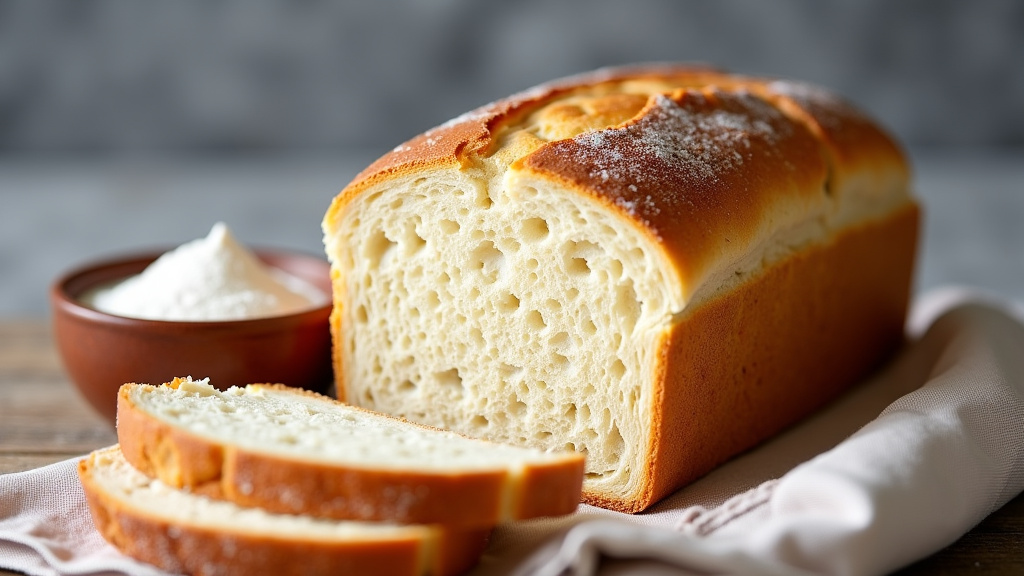
You’ll find that a little patience and a careful eye will lead to some truly satisfying keto loaves right from your bread machine.
Conclusion
You’ve seen how blending almond and coconut flours creates the ideal base for your keto bread machine loaves. This combination brings structure, texture, and the low-carb profile you need. Remember that careful measuring and understanding your machine’s settings are key to success.
Don’t be afraid to experiment a little with these flour ratios to find your perfect loaf. With these tips, you’re ready to bake delicious, healthy keto bread right from your kitchen. Start baking your next batch today!
Frequently Asked Questions
Can I use only coconut flour for keto bread machine bread?
We don’t recommend using only coconut flour for bread machine bread. It’s extremely absorbent and would result in a very dry, dense, or crumbly loaf. It works best when combined with other flours like almond flour.
Do I need to activate yeast for keto bread machine recipes?
Yes, you still need to activate your yeast for keto bread machine recipes. While keto flours don’t offer much for yeast to feed on, active yeast is still important for any lift you can achieve in your bread. Make sure your water is the correct temperature.
My keto bread is too dense. What can I do?
If your keto bread is too dense, you might need to adjust your liquid-to-flour ratio. Try slightly increasing the liquid or reducing the denser almond flour next time. Adding a bit more psyllium husk powder can also help with a lighter, chewier texture.
Can I add seeds or nuts to my keto bread machine recipe?
Yes, you can absolutely add seeds or nuts to your keto bread machine recipe! Chia seeds, flax seeds, sunflower seeds, or chopped walnuts work well. Add them during the “mix-in” cycle if your machine has one, or during the initial mixing stage.
How should I store keto bread machine bread?
Store your keto bread machine bread in an airtight container at room temperature for 2-3 days. For longer storage, slice the bread and freeze it. You can then toast individual slices as needed, keeping it fresh for several weeks.