Can You Use Bread Flour in Place of All Purpose Flour?
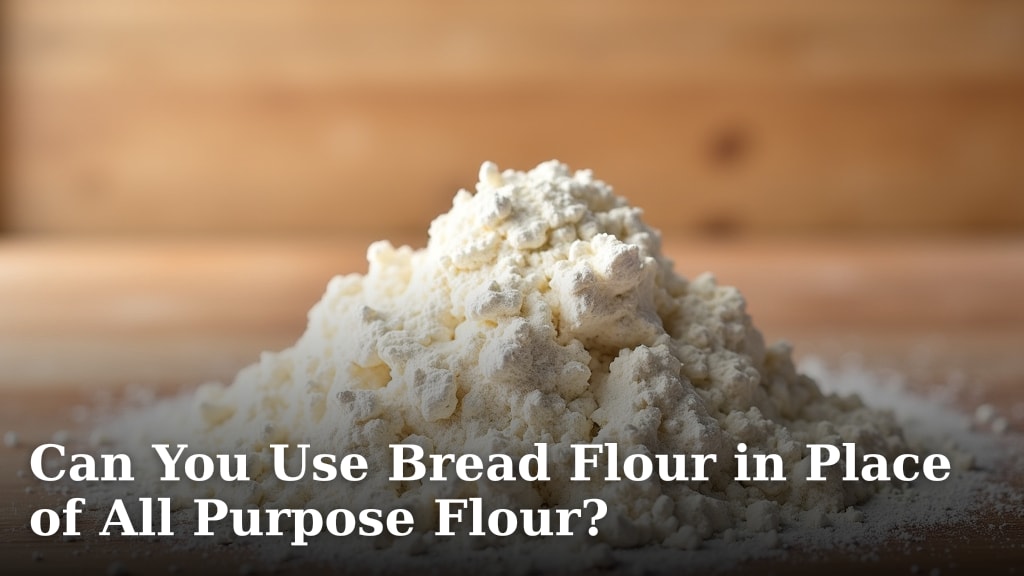
Yes, you can use bread flour in place of all-purpose flour in most recipes, but expect some differences in texture. Bread flour has more protein. This means it creates a stronger gluten structure in your baked goods.
When you swap flours, consider what you are baking. For chewy items like bread, it often works well. For delicate cakes or pastries, it might make them tougher and less tender than you’d like. Understanding these differences helps you decide if it’s the right choice for your recipe.
- Bread flour has higher protein content.
- This leads to a chewier texture.
- Good for yeast breads and pizza dough.
- Can make cakes and cookies denser.
- You might need to adjust liquids slightly.
Let’s walk through everything you need to know about swapping these two common flours and what to expect from your baking.
Swapping Bread Flour for All-Purpose: What Happens?
When you swap bread flour for all-purpose flour, you are primarily changing the protein content of your recipe. This might seem like a small detail, but it can have a big impact on your final product.
Bread flour typically contains 12-14% protein. All-purpose flour usually falls between 10-12% protein (King Arthur Baking Company). This difference matters because protein forms gluten when mixed with water.
Understanding Gluten’s Role in Baking
Gluten is a protein network that gives dough its elasticity and strength. Think of it like tiny, stretchy rubber bands throughout your dough.
A higher protein content means more gluten can form. This results in a stronger, chewier texture. This is exactly what you want for a rustic loaf of bread or a chewy pizza crust.
How Protein Levels Affect Texture
More protein means a firmer, more substantial crumb. Less protein gives a softer, more tender result. Understanding this helps you predict how your baked goods will turn out.
For something like a delicate cake, too much gluten can make it tough and dense. For a crusty baguette, strong gluten is absolutely essential.
Comparing Bread Flour and All-Purpose Flour
Let’s look at the key differences side-by-side. This will help you decide when a swap is a good idea and when it might lead to disappointment.
| Feature | Bread Flour | All-Purpose Flour |
|---|---|---|
| Protein Content | Higher (12-14%) | Lower (10-12%) |
| Gluten Development | Strong, elastic | Moderate, tender |
| Texture Result | Chewy, airy, structured | Soft, tender, crumbly |
| Ideal Uses | Yeast breads, pizza, bagels | Cookies, cakes, pastries, quick breads |
When Bread Flour Shines
Bread flour is the star for anything requiring a good chew. Do you love a crusty loaf of sourdough? Want a pizza dough that stretches without tearing? Bread flour is your friend.
It provides the structure needed to trap gas produced by yeast. This creates those lovely air pockets you see in artisanal breads. Without enough protein, your bread might not rise as much or could collapse (The Spruce Eats).
When All-Purpose Flour is Preferred
All-purpose flour is the versatile workhorse of the pantry. It’s great for recipes where you want a tender, soft texture. Think about your favorite chocolate chip cookies or a fluffy yellow cake.
Using bread flour in these recipes might make them tough or dense. You might end up with a cookie that’s too firm or a cake that feels heavy.
Adjusting Recipes When Swapping Flours
You can often use bread flour in place of all-purpose flour, but some adjustments are usually helpful. This helps balance the stronger gluten development.
Hydration Adjustments
Because bread flour has more protein, it can absorb more liquid than all-purpose flour. This is a crucial point many bakers overlook.
If you swap bread flour for all-purpose flour cup for cup, your dough might be drier and stiffer than intended. You might need to add a little more liquid to achieve the right consistency.
Start by adding an extra tablespoon or two of liquid (water, milk, etc.) per cup of bread flour used. You can always add more if the dough still feels too stiff.
Kneading Time Considerations
With more gluten-forming protein, bread flour often requires a bit more kneading to fully develop that strong network. This is especially true for yeast breads.
You might need to knead your dough for a minute or two longer than the recipe suggests for all-purpose flour. Watch for the “windowpane test” – when a small piece of dough can be stretched thin enough to see light through it without tearing.
Expectations for Different Baked Goods
What specific changes can you expect in your favorite recipes?
Yeast Breads (Loaves, Rolls, Pizza Dough)
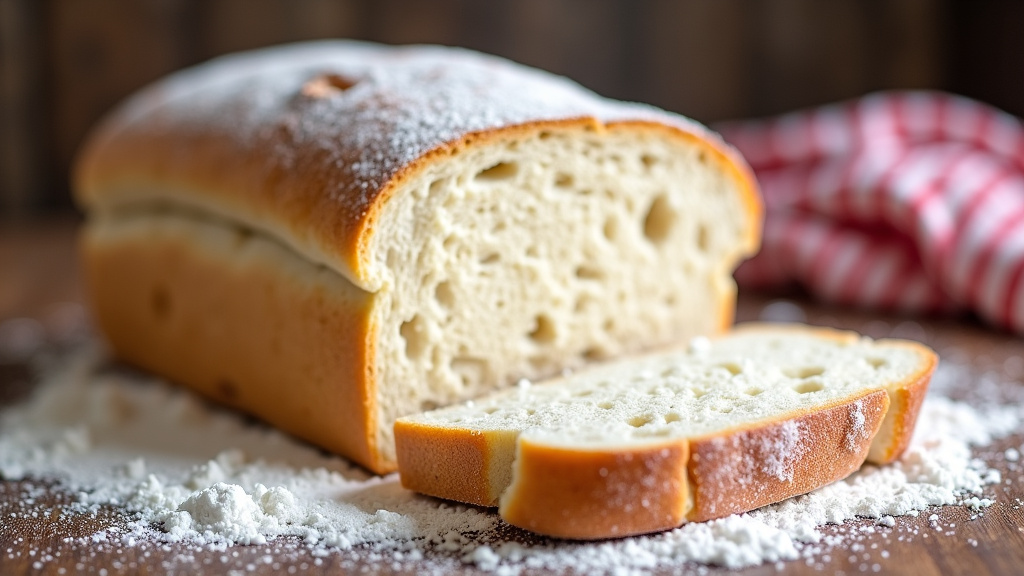
This is where bread flour truly excels. If you use it in a recipe calling for all-purpose flour, you’ll likely get a chewier crust and a more structured crumb. Your bread will probably have a better rise and more defined air pockets.
Many bakers actually prefer using bread flour for these items, even if the recipe specifies all-purpose. It often leads to a superior result.
Cakes and Muffins
Using bread flour here will likely result in a denser, chewier texture. Cakes might not be as light and fluffy. Muffins could feel a bit tougher than you expect.
It’s generally not recommended to substitute bread flour for all-purpose in delicate cake recipes. If you do, consider using a lighter hand with mixing to minimize gluten development. You can also explore how to make cake in a bread maker for a different approach to baking.
Cookies
Cookies made with bread flour will probably be chewier and less tender. Think of a very chewy chocolate chip cookie compared to a crisp shortbread. Bread flour will push your cookies towards the chewy end of the spectrum.
If you like a soft, melt-in-your-mouth cookie, sticking with all-purpose flour is usually the best bet.
Pancakes and Waffles
You might get a slightly chewier pancake or waffle if you use bread flour. They might also be a bit heavier than those made with all-purpose flour. For a light, fluffy stack, all-purpose flour is usually preferred.
However, some people enjoy the added chewiness! It’s a matter of personal preference here. You won’t ruin your breakfast, just change the texture a bit.
A Quick Checklist for Swapping Flours
Before you make the switch, consider these points to ensure your baking adventure is a success:
- Evaluate the desired texture: Do you want chewy or tender?
- Consider the recipe: Is it a bread or a delicate pastry?
- Adjust liquid: Have extra liquid on hand for bread flour.
- Mind the mixing: Knead bread dough more, mix cakes less.
- Be flexible: Your results might be slightly different.
Remember, baking is also about experimentation. Don’t be afraid to try a swap and see how it works for you. You might discover a new favorite texture for an old recipe.
Conclusion
So, can you use bread flour instead of all-purpose flour? Yes, you absolutely can, but always consider the final texture you desire. Bread flour offers a chewier, stronger result, ideal for yeast-leavened goods. All-purpose flour delivers tenderness and softness, perfect for delicate baked items.
By understanding protein content and making small adjustments, you can successfully swap flours. Don’t be afraid to experiment in your own kitchen. Grab that bag of bread flour and see how it transforms your next baking project!
Frequently Asked Questions
Will bread flour make my cookies hard?
Using bread flour in cookies can make them chewier and less tender than desired. If you prefer a soft, melt-in-your-mouth cookie, sticking with all-purpose flour is usually a better choice.
Do I need to add more water when using bread flour?
Yes, bread flour has a higher protein content, allowing it to absorb more liquid. You might need to add an extra tablespoon or two of liquid per cup of bread flour to achieve the correct dough consistency.
Can I make a cake with bread flour?
You can, but the cake will likely be denser and chewier. Bread flour develops more gluten, which can make delicate cakes tough. For a light and fluffy cake, all-purpose flour is preferred.
What is the main advantage of using bread flour?
The main advantage of bread flour is its higher protein content. This creates a strong gluten structure, leading to excellent elasticity and a chewy texture, which is perfect for breads and pizza dough.
Is there a difference in taste when using bread flour?
The taste difference is usually minimal or imperceptible. The primary change you’ll notice is in the texture of your baked goods, due to the increased gluten development from the bread flour.