How Much Should I Spend on a First Bread Machine?
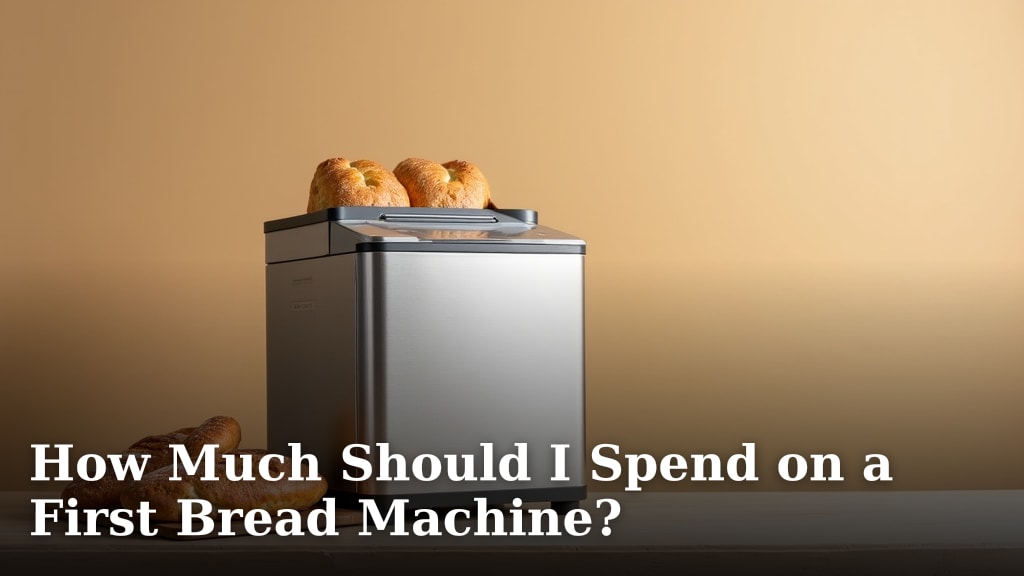
For your first bread machine, we found that you should expect to spend between $70 and $150 for a good quality model. This price range offers a great balance of features and value for beginners.
You’re probably wondering what kind of bread machine you can get for that price. These models typically include essential cycles like basic white, whole wheat, and dough, perfect for getting started with homemade bread. They are also usually compact and easy to use, which is great for new bakers.
- Expect to pay $70-$150 for your first bread machine.
- This range offers good features for beginners.
- You’ll get basic and whole wheat settings.
- Look for easy-to-use, compact models.
Let’s walk through exactly what you should look for in your first bread machine, and how to get the best value for your money. Our guide to the best bread maker for first-time users offers specific model recommendations.
What’s the Right Budget for Your First Bread Machine?
For your initial plunge into bread making, we found that spending between $70 and $150 is your sweet spot. This range gives you a reliable machine without breaking the bank. Think of it as a starter kit for your baking adventures.
Understanding Bread Machine Price Tiers
Bread machines come in a few different price brackets. Knowing these tiers helps you understand what you’re getting for your money. It’s like buying a car; you wouldn’t expect a luxury sedan for the price of a compact car, right?
Entry-Level Bread Machines (Under $70)
These machines are typically the most basic. They usually offer just a few essential settings like basic white bread and dough. You might find them in smaller sizes, good for individuals or couples. We found that these can be a bit of a gamble in terms of durability and consistent results. While tempting for the price, they might leave you wanting more down the road.
Mid-Range Bread Machines ($70 – $150)
This is where you’ll find the best value for your first bread machine. Models in this range often have a wider variety of settings, like whole wheat, French bread, and even gluten-free options. They tend to be more robust and offer better consistency in baking. You’ll likely get a delay timer and different crust settings, which are super handy features for a new baker.
High-End Bread Machines ($150 and Up)
Once you cross the $150 mark, you’re looking at machines with advanced features. These might include automatic ingredient dispensers for nuts or fruit, custom program settings, and often a more premium build quality. While fantastic, these machines can be overkill for a beginner. You might not use all those extra bells and whistles right away, making them a less cost-effective first purchase.
Key Features to Look for in Your Price Range
So, what should you actually expect your $70-$150 to get you? Focus on core functionalities that make baking easier and more enjoyable. You want a machine that simplifies the process, not complicates it.
Essential Baking Programs
Your first machine should definitely have the basics covered. Look for these crucial settings:
- Basic White Bread: A must-have for classic loaves.
- Whole Wheat: Essential for healthier options.
- Dough Cycle: Perfect for making pizza dough, rolls, or cinnamon buns that you can bake in your oven.
- Rapid Bake: Great for when you need bread in a hurry.
Many models in our recommended price range will also include settings for French bread, sweet bread, and sometimes even gluten-free. More options are nice, but the first three are non-negotiable for a beginner.
Loaf Size and Shape
Most machines in the $70-$150 range offer 1.5-pound and 2-pound loaf options. The 2-pound size is quite standard and usually enough for a small family or a couple who enjoys bread regularly. Some machines might offer a 1-pound option, which is great for single servings or smaller households. Consider how much bread you typically eat to pick the right size for your needs.
User-Friendly Design
As a beginner, you want something straightforward. Look for:
- Intuitive Control Panel: Easy-to-read buttons and a clear display.
- Non-Stick Pan: Absolutely crucial for easy bread removal and cleanup.
- Viewing Window: A little peek-a-boo window lets you check on your dough without opening the lid, which can affect baking (National Institutes of Health).
Anything that makes the process simpler means you’ll be more likely to use your machine consistently. We found that overly complex machines can sometimes deter new users.
When to Consider Spending a Little More (or Less)
While the $70-$150 range is a great starting point, there are times you might adjust your budget. Let’s think about your specific needs.
Reasons to Spend a Bit More
If you have specific dietary needs, like a gluten intolerance, you might consider stretching your budget slightly. Machines with dedicated and reliable gluten-free settings sometimes fall just above the $150 mark. These programs are often optimized for gluten-free flours, which behave differently than wheat flours. Also, if you plan to bake very frequently, a slightly more expensive machine might offer better durability. If gluten-free baking is a priority, consider our recommendations for the best bread machine for gluten-free bread.
Reasons to Spend a Bit Less (with Caution)
If you’re truly on a tight budget, you might find a basic model under $70. However, be aware of potential compromises. These machines may have fewer features, a shorter lifespan, or less consistent baking results. They can be a good choice if you’re just testing the waters and aren’t sure if bread making is for you. But if you fall in love with it, you might find yourself upgrading sooner than you’d like.
Getting the Best Value for Your Money
It’s not just about the price tag; it’s about what you get for that price. Value means finding a machine that meets your needs without unnecessary extras. Think of it like grocery shopping; sometimes the store brand is just as good as the name brand, right?
Look for Sales and Refurbished Models
You can often snag a great deal by keeping an eye out for sales events, like Black Friday or holiday promotions. Refurbished models from reputable retailers can also be an excellent way to get a higher-end machine at a mid-range price. Just make sure they come with a warranty!
Read Reviews (But Don’t Get Overwhelmed)
Online reviews are your friend. Look for consistent feedback on ease of use, bread quality, and durability. Pay attention to comments from other first-time bread machine owners. Don’t get too caught up in every single review, though; focus on the general consensus (Cleveland Clinic). A few negative comments are normal, but a pattern of complaints is a red flag.
A Checklist for Your First Bread Machine Purchase
To help you decide, here’s a quick checklist to keep in mind when you’re looking at models in that $70-$150 range:
- Does it have basic, whole wheat, and dough cycles?
- Is the control panel simple and easy to understand?
- Does it have a non-stick baking pan?
- Can it make at least a 1.5-pound or 2-pound loaf?
- Are there at least two crust settings (light, medium, dark)?
- Does it offer a delay timer feature?
| Feature | Under $70 (Entry-Level) | $70 – $150 (Mid-Range) | $150+ (High-End) |
|---|---|---|---|
| Core Programs | Basic, Dough | Basic, Whole Wheat, Dough, French, Sweet | Extensive, Gluten-Free, Custom Programs |
| Loaf Sizes | 1.0-1.5 lb | 1.5-2.0 lb (most common) | 1.0-2.5 lb (wider range) |
| Build Quality | Often lighter plastic | Solid plastic, some metal accents | Durable metal, premium feel |
| Extra Features | Few (e.g., viewing window) | Delay timer, multiple crust settings | Auto dispenser, custom programs, collapsible paddle |
| Ideal User | Very casual, budget-focused | Beginner, regular baker | Experienced, specific needs |
Conclusion
You now know that spending between $70 and $150 is ideal for your first bread machine. This budget gets you a reliable appliance with essential features like basic, whole wheat, and dough cycles, plus user-friendly design. Avoid the cheapest models for consistency and save the high-end machines for later. Your goal is to get a great machine that encourages you to bake, without overspending.
So, take this knowledge and confidently choose a bread machine that will start your delicious journey into homemade bread!
Frequently Asked Questions
Is a more expensive bread machine always better?
Not necessarily for a beginner. While higher-priced machines offer advanced features like automatic dispensers, you might not use them initially. A mid-range model typically provides the best value and functionality for someone just starting out.
Can I make gluten-free bread in a mid-range bread machine?
Many mid-range bread machines do include a gluten-free setting, but their effectiveness can vary. If gluten-free baking is a top priority, you might consider models slightly above the $150 range for more optimized programs and consistent results.
How long do bread machines typically last?
The lifespan of a bread machine depends on its quality and how often you use it. Entry-level models might last a couple of years, while mid-range machines often last 3-5 years or more with regular use. Proper cleaning and maintenance also extend their life.
What is the most important feature for a beginner bread machine?
For a beginner, the most important features are a reliable basic white bread cycle, a whole wheat cycle, and a dough cycle. A non-stick pan and an intuitive control panel are also crucial for a positive first experience.
Should I buy a used or refurbished bread machine?
Buying a refurbished bread machine from a reputable retailer can be a smart way to save money and get a better model. Always ensure it comes with a warranty. Used machines found elsewhere might be cheaper, but they carry more risk without a guarantee of functionality.