Is a Bread Machine a Good Investment for a Family?
On this page (3 sections)
Yes, a bread machine is a good investment for a family, especially if you enjoy fresh bread, want to save money, and have dietary needs. You get convenience and fresh ingredients with very little effort.
Many families find that a bread maker quickly becomes a kitchen staple, saving trips to the store and offering healthier options. You can easily bake delicious, homemade loaves right on your countertop. It also helps you control exactly what goes into your family’s food.
- Great for fresh, healthy bread
- Saves money on store-bought loaves
- Perfect for families with dietary restrictions
- Easy to use for beginners
- Offers variety beyond basic white bread
Ready to see if a bread machine is right for your home? Let’s walk through all the ways this appliance can benefit your family and your budget.
Evaluating a Bread Machine for Your Family Kitchen
Yes, for many families, a bread machine pays off. It offers a blend of convenience, health benefits, and cost savings that are hard to beat.
Let’s explore why this appliance might be the next great addition to your kitchen counter.
The Convenience Factor: Time-Saving for Busy Families
Life with a family is often a whirlwind. Who has time to knead dough by hand, wait for it to rise, and then bake?
This is where a bread machine shines. You simply add ingredients, press a button, and walk away. The machine handles all the mixing, kneading, rising, and baking. It’s truly a “set it and forget it” appliance.
Effortless Baking Cycles
Imagine waking up to the smell of fresh bread. Many machines have a timer function. You can load ingredients the night before and program it to start baking in the morning. This means warm, homemade bread for breakfast with zero morning effort.
For dinner, you can pop in ingredients after lunch and have a fresh loaf ready by dinnertime. It’s a fantastic way to enjoy quality food without the time commitment.
Less Mess, Less Stress
Traditional bread making can create a bit of a floury mess. With a bread machine, everything happens within one pan. There’s minimal cleanup afterwards, usually just washing the baking pan and paddle.
This keeps your kitchen tidier and reduces the stress of a big cleanup job. We found that this factor alone can be a huge win for parents.
Health and Nutrition: Knowing What You Eat
One of the biggest perks of baking your own bread is controlling the ingredients. You decide what goes in and what stays out.
Store-bought breads often contain preservatives, high-fructose corn syrup, and other additives. With a bread machine, you can make cleaner, healthier loaves for your family.
Customizing for Dietary Needs
Does someone in your family have allergies or dietary restrictions? A bread machine becomes an invaluable tool. You can easily make gluten-free bread, whole wheat loaves, or bread without dairy or eggs.
This ensures everyone can enjoy fresh bread safely. We found that families dealing with celiac disease or specific food sensitivities particularly benefit from this control (Celiac Disease Foundation).
Using Wholesome Ingredients
You can choose organic flours, add nutrient-rich seeds like flax or chia, and control salt and sugar levels. This means more fiber, fewer processed ingredients, and better nutrition overall for your family.
Many people find that homemade bread tastes better, too, because of the fresh, quality ingredients.
Cost Savings: Does a Bread Machine Pay for Itself?
The upfront cost of a bread machine might give you pause. However, many families find it pays for itself over time. Let’s break down the potential savings.
Comparing Homemade vs. Store-Bought
Think about the price of a quality loaf of bread at the grocery store. It can range from $3 to $6, or even more for specialty breads.
A homemade loaf, using basic flour, yeast, water, and salt, can cost well under $1 per loaf. Even with fancier ingredients, you’re likely paying less than half the store price.
We found that for a family consuming one loaf per week, the savings can add up quickly:
| Item | Cost per Loaf (Approx.) | Annual Cost (1 loaf/week) |
|---|---|---|
| Basic Store-Bought Bread | $3.50 | $182 |
| Specialty Store-Bought Bread | $5.00 | $260 |
| Homemade Bread (Basic Ingredients) | $0.75 | $39 |
| Homemade Bread (Organic/Specialty) | $1.50 | $78 |
As you can see, the savings can be substantial just with one loaf a week. If your family eats more bread, the machine pays for itself even faster.
Reducing Food Waste
When you bake fresh bread, you often only make what you need. This can lead to less stale bread ending up in the trash.
Plus, homemade bread freezes beautifully. You can bake extra loaves and freeze them for later, reducing last-minute store runs and ensuring you always have fresh bread on hand.
Beyond Basic Loaves: The Versatility of a Bread Maker
Don’t think a bread machine is just for plain white bread. These appliances are surprisingly versatile.
Dough for Everything
Many bread machines have a “dough” cycle. This means the machine mixes and kneads the dough for you, and then lets it rise. You can then take the dough out and shape it by hand.
- Pizza dough
- Cinnamon rolls
- Dinner rolls
- Focaccia
- Burger buns
This gives you the best of both worlds: the convenience of machine kneading and the fun of shaping your own creations.
Jams and More
Some advanced bread machines even have settings for making jams and marmalades. It’s like having a little assistant managing the stirring and cooking process. This is a bonus feature that can add even more value.
Is a Bread Machine Right for Your Family? A Quick Checklist
Consider these points to help you decide if a bread maker fits your family’s lifestyle:
- Do you regularly buy store-bought bread?
- Are you looking for healthier food options?
- Does anyone in your family have dietary restrictions?
- Do you enjoy the idea of fresh-baked goods?
- Are you looking for ways to save money on groceries?
- Do you appreciate kitchen appliances that save time?
If you answered yes to several of these questions, a bread machine is likely a fantastic investment for your home.
Potential Downsides to Consider
While bread machines offer many benefits, it’s good to be aware of a few potential drawbacks.
They do take up counter space. Also, the paddles can sometimes leave a small hole in the bottom of the loaf. Some people also prefer the crust of oven-baked bread. However, these are often minor issues compared to the convenience and benefits.
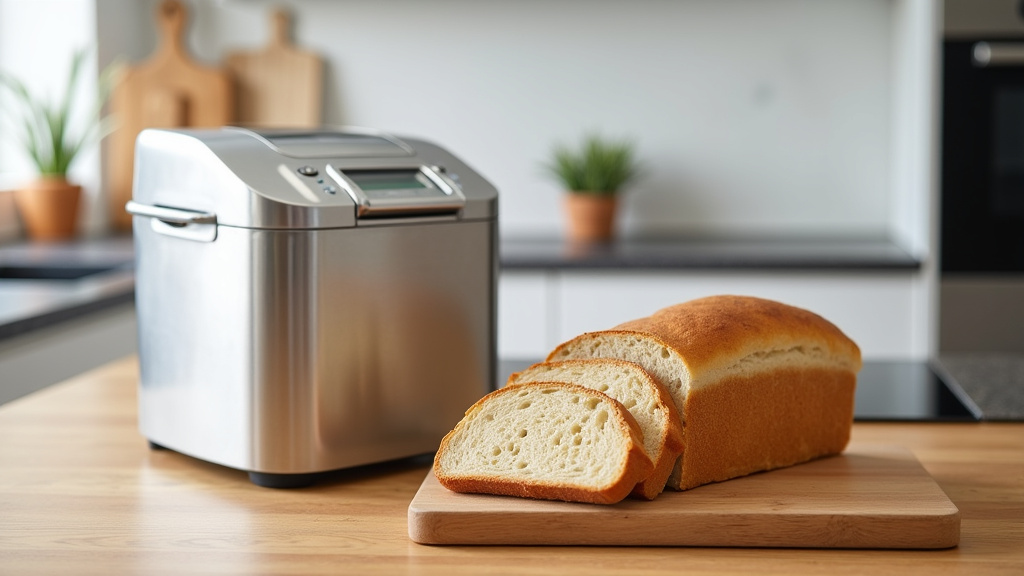
Conclusion
You’ve seen how a bread machine offers convenience, health benefits, and significant cost savings. It lets you put homemade, nutritious bread on your family’s table with minimal effort. From accommodating dietary needs to making pizza dough, its versatility is a real plus for busy households.
While it requires a small space, the advantages often outweigh any minor drawbacks. If you regularly buy bread, want more control over ingredients, or simply love fresh-baked goods, a bread machine is a solid addition. It’s an investment that truly pays back in flavor, health, and a little extra joy in your kitchen.
Consider your family’s needs and take the leap. You might just discover your new favorite kitchen appliance.
Frequently Asked Questions
What’s the best way to clean a bread machine pan?
After baking, let the pan cool completely. Then, soak it in warm, soapy water for about 15-20 minutes. This softens any stuck-on dough or crust, making it much easier to wipe clean with a soft sponge. Avoid abrasive scrubbers to protect the non-stick coating.
Can I use any type of flour in a bread machine?
Yes, most bread machines can handle various flours, including all-purpose, whole wheat, rye, and gluten-free blends. However, you’ll need to adjust the recipe and sometimes the machine’s setting for different flour types, especially for gluten-free breads, which require specific recipes to rise correctly.
How long does it take to bake a loaf of bread in a machine?
The baking time varies depending on the machine and the recipe, but a standard loaf often takes between 3 to 4 hours from start to finish. This includes mixing, kneading, rising, and baking. Many machines also offer a “rapid bake” cycle that can shorten the process to about 1.5 to 2 hours.
Do bread machines use a lot of electricity?
Bread machines are generally energy-efficient for the task they perform. While they draw power during the kneading and baking cycles, the total energy consumption for one loaf is relatively low compared to heating a large oven. We found that the cost of electricity per loaf is usually less than a quarter.
How long do homemade bread machine loaves stay fresh?
Homemade bread, without the preservatives found in store-bought options, typically stays fresh for 2-3 days at room temperature. For longer storage, you can slice the bread and freeze it. Thaw individual slices as needed, and they will taste almost as fresh as the day you baked them.