
Can You Make Cake in a Bread Machine?
Yes, you can absolutely make cake in a bread machine, though it might not be the perfect layer cake you’re imagining. Bread machines are designed for dough, but with the right recipe and techniques, you can bake a delicious, often denser, cake right in the pan. You’ll want to look for recipes specifically designed for bread machines, as they adjust the liquid-to-flour ratio for this unique baking method. We found that using a bread machine cake recipe is key for success.
This method is fantastic for quick and easy treats. Think pound cakes, loaf cakes, or even some simple sponge cakes. It’s a great way to get that cake fix without pulling out your mixer. Many home bakers have found success using their bread maker for cakes, appreciating the convenience it offers. It’s a clever hack for busy bakers looking for a shortcut.
- Yes, you can bake cake in a bread machine!
- Look for recipes specifically made for bread makers.
- Expect a denser, more loaf-like cake.
- It’s a super convenient way to bake.
- Great for quick treats like pound cake.
Let’s walk through how you can get started baking cake in your bread machine and what to expect.
Baking Cake: Can Your Bread Machine Handle It?
So, you’re wondering if your trusty bread machine can whip up a cake. The answer is a resounding yes! While it’s not going to produce a Pinterest-perfect, multi-layered masterpiece, your bread maker can absolutely bake a delicious cake. You just need the right approach.
Think of it as a fantastic shortcut. We’ve found that using your bread machine for cake is especially handy when you need a quick treat. It’s a clever way to get that cake craving satisfied without the fuss of preheating ovens and messy bowls.
Understanding Bread Machine Cake Baking
Bread machines are engineered for kneading dough. Their heating elements and mixing paddles are optimized for that. This means cake recipes need a bit of tweaking. The liquid-to-flour ratio is different for cakes.
Recipes designed for bread machines will already account for this. They typically use less liquid. This prevents the batter from becoming too runny. They also often have fewer eggs. This keeps the cake from becoming too tough.
Why Bread Machines Work for Cakes
The enclosed environment of a bread machine creates a unique baking situation. It’s like a mini convection oven. This helps the cake bake evenly. The paddle’s mixing action is gentle for cake batter. It’s not meant for aggressive kneading here.
Many sources suggest that bread machines offer a consistent heat. This is a big plus for baking. It helps avoid hot spots that can burn your cake. You get a reliably baked good every time. This is why it’s become a popular baking hack.
What Kind of Cakes Can You Make?
You’ll find success with cakes that are denser. Think pound cakes and loaf cakes. These have a structure that holds up well. They don’t require a super light and airy crumb.
Some simple sponge cakes can also work. You just need to be sure your recipe is bread-machine specific. Recipes calling for very delicate batters might not turn out as well. We found that recipes with a moist crumb are often the most successful.
Here are some popular choices we’ve seen:
- Pound Cake: A classic that bakes beautifully in a bread machine.
- Loaf Cake: Like lemon poppy seed or marble cake.
- Quick Bread: Banana bread or pumpkin bread are great candidates.
- Simple Vanilla or Chocolate Cake: Often a single layer, dense style.
Choosing the Right Bread Machine Cake Recipe
This is perhaps the most important step. You can’t just pour a standard cake batter into your bread machine and expect success. Standard recipes are designed for oven baking, which is a different process.
We searched for recipes specifically developed for bread makers. These are formulated with the correct ingredient ratios. They also consider the machine’s baking cycle. You’ll find these often on recipe sites or in bread machine cookbooks.
Key Recipe Adjustments to Look For
Bread machine recipes often have less flour. They might also call for more fat, like butter or oil. This contributes to the cake’s moisture. The amount of leavening agent, like baking powder or soda, is also carefully measured.
The order of ingredients is often different too. Many bread machine recipes call for liquids first. Then, dry ingredients are added on top. This helps protect the paddle from premature mixing with the leavening agents. This is a common tip found in many baking guides.
Where to Find Bread Machine Cake Recipes
Your bread machine’s manual might have a few recipes. Many manufacturers include basic cake recipes. These are a great starting point for beginners.
Online recipe blogs and forums are fantastic resources. Search for terms like “bread machine cake recipe.” You’ll find a wealth of options. We found that many users share their successful adaptations. These real-world experiences can be very helpful.
Cookbooks dedicated to bread machines are also available. These often have tried-and-true recipes. They’re a reliable source for tested recipes. Look for those with good reviews or ratings.
The Process: How to Bake Cake in Your Bread Machine
Once you have your special bread machine cake recipe, the process is quite straightforward. It’s designed to be user-friendly.
First, prepare your bread machine pan. Ensure it’s clean and the non-stick coating is intact. Add your ingredients in the order specified by your recipe. This is usually liquids first, then dry ingredients. Be precise with your measurements.
Adding Ingredients and Starting the Machine
Most recipes will instruct you to add wet ingredients to the pan first. This might include milk, eggs, oil, or melted butter. Then, you’ll add your dry ingredients. This includes flour, sugar, cocoa powder, and leavening agents.
Finally, you’ll add any mix-ins, like chocolate chips or nuts. These often go in last. Some machines have a separate dispenser for mix-ins. Others require you to add them manually when the machine signals. Discover if you can add mix-ins mid-cycle to your cake batter.
Select the correct setting on your bread machine. Not all machines have a dedicated “cake” setting. If yours doesn’t, choose the “bake” or “cake” cycle. This cycle is typically shorter than the bread cycles. It usually involves less kneading and more steady baking heat.
Baking Time and Checking for Doneness
The baking time will vary depending on your machine and recipe. Follow the recipe’s guidance. Typically, a cake cycle can range from 40 minutes to 1.5 hours.
You can check for doneness near the end of the baking cycle. Insert a toothpick or a thin skewer into the center of the cake. If it comes out clean, the cake is done. If it has wet batter on it, let it bake a bit longer. You might need to add 5-10 minute increments. Be careful not to overbake, though!
Cooling and Removing the Cake
Once baked, carefully remove the bread pan from the machine. Let the cake cool in the pan for about 10-15 minutes. This helps it firm up. It also makes it easier to remove without breaking.
After this initial cooling, invert the pan onto a wire rack. The cake should slide out easily. If it sticks a little, you might need to gently loosen the edges with a non-metal utensil. Let the cake cool completely on the wire rack before slicing or frosting.
Tips for Bread Machine Cake Success
We’ve gathered a few helpful tips to ensure your bread machine cake turns out wonderfully. Following these can make a big difference.
Ingredient Quality Matters
Use fresh ingredients, especially your leavening agents. Baking powder and baking soda lose their potency over time. This can lead to a flat cake. Check the expiration dates on your ingredients. We found that using room temperature ingredients can also help.
Don’t Overmix the Batter
Bread machines are designed to mix. However, for cake batter, you still want to be mindful. Overmixing can develop the gluten in the flour too much. This can make your cake tough. Stick to the recipe’s instructions precisely.
Consider Your Machine’s Specifics
Every bread machine is a little different. Some run hotter than others. Some have slightly different paddle designs. You might need to do a little trial and error. Don’t be discouraged if your first attempt isn’t perfect.
Note your machine’s model. Keep a log of what worked and what didn’t. This is a great way to troubleshoot. Many experts suggest keeping a baking journal for this reason.
Experiment with Add-ins
Once you’ve mastered a basic recipe, feel free to experiment. Chocolate chips, nuts, dried fruits, or a swirl of jam can add extra flavor. Just be sure not to add too many mix-ins. Too many can weigh down the batter.
What to Expect: The Final Cake Texture
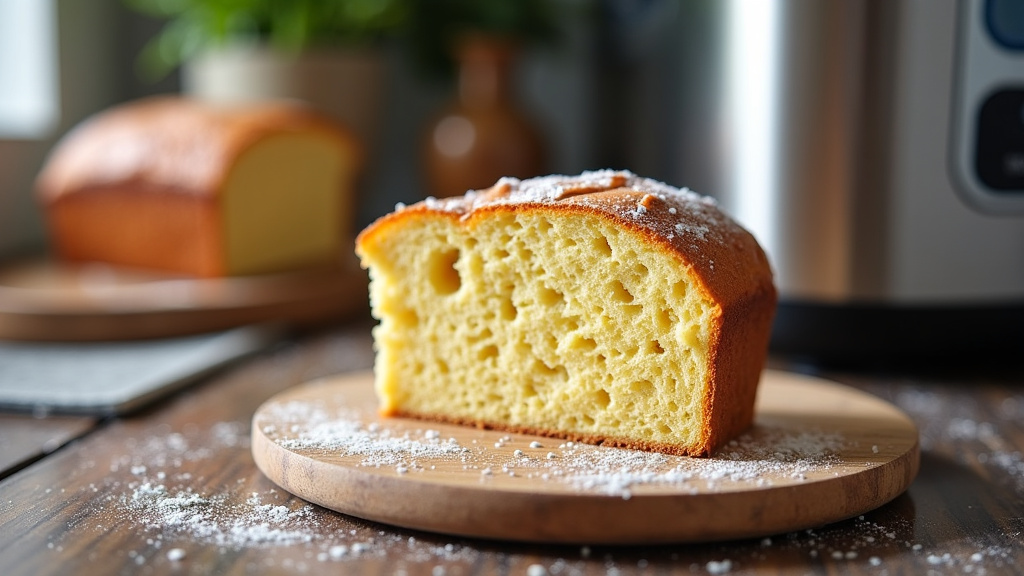
Your bread machine cake will likely have a slightly denser crumb than an oven-baked cake. The cake will be shaped like the bread pan. It will have a hole in the bottom from the paddle. This is perfectly normal! If your cake turns out dense, learn how to fix dense bread.
Many people find this dense texture quite appealing. It’s often compared to a moist muffin or a hearty quick bread. It’s fantastic toasted with butter or served with a glaze. We found that the convenience often outweighs any minor textural differences.
Troubleshooting Common Bread Machine Cake Issues
Even with careful preparation, you might encounter a few hiccups. Here are some common problems and how to solve them.
Cake is Too Dense or Dry
This often happens if there’s too much flour or not enough liquid. Double-check your measuring. Ensure your leavening agents are fresh. Also, make sure you didn’t overbake the cake. A slightly shorter baking time might be needed for your machine. The USDA recommends specific internal temperatures for most baked goods, ensuring they are safe to eat (USDA).
Cake Has a Hole in the Top
This is usually due to over-leavening or a machine that bakes too hot on top. If your machine has a crust color setting, try a lighter setting. You can also try reducing the baking powder or soda slightly. Or, add a bit more liquid to the recipe. This is a common occurrence with bread machine baking.
Cake Sticks to the Pan
Ensure your bread pan is well-greased and floured before adding ingredients. Some recipes suggest adding a tablespoon of vegetable oil to the batter itself. Always allow the cake to cool in the pan for the recommended time before inverting. A gentle tap on the bottom of the pan can also help release it.
Paddle Remains Stuck in the Cake
This can be frustrating! Sometimes, the paddle gets stuck during baking. When this happens, try to remove it while the cake is still warm. If it’s very stuck, you might need to carefully use a butter knife to loosen it. Some people even bake cakes without the paddle in place, but this requires a modified recipe.
Bottom is Burnt, Top is Undercooked
This suggests an issue with heat distribution in your machine. You might need to adjust your machine’s position slightly. Or, try placing a piece of foil over the top halfway through baking. This can help prevent the top from browning too quickly. Also, confirm your machine’s settings are appropriate for cake.
Quick Checklist for Bread Machine Cake Success
Here’s a handy checklist to keep by your bread machine:
- Use a recipe specifically designed for bread machines.
- Measure ingredients precisely, especially flour and leavening.
- Add ingredients in the correct order your recipe dictates.
- Select the appropriate “cake” or “bake” cycle.
- Check for doneness with a toothpick near the end.
- Allow cake to cool in the pan before removing.
Baking cake in your bread machine is a wonderfully simple and convenient option. With the right recipe and a little care, you can enjoy delicious homemade cake with minimal effort. It’s a baking hack that’s definitely worth trying!
Conclusion
You’ve learned that your bread machine is more versatile than you might have thought! Baking cake is absolutely possible with the right approach. Remember, the key is using a bread machine-specific recipe. These recipes adjust for the unique baking environment. Expect a delicious, often denser cake, perfect for quick treats. Don’t be afraid to try it! Your next simple loaf cake is just a cycle away.
Frequently Asked Questions
What’s the biggest difference between bread machine cake and oven-baked cake?
The biggest difference is texture and shape. Bread machine cakes tend to be denser and have a more uniform, moist crumb. They also bake in the bread pan’s shape and will have a small hole in the bottom from the paddle.
Can I use a regular cake mix in my bread machine?
Generally, no. Regular cake mixes are formulated for oven baking and have different ratios of wet to dry ingredients. Using one in a bread machine can lead to a dense, gummy, or even collapsed cake. Always look for recipes specifically designed for bread makers.
Why do bread machine cake recipes often have less flour?
Bread machines have a different way of baking than ovens. Recipes are adjusted to prevent the batter from becoming too dry or tough in the enclosed, consistent heat of the machine. Less flour helps maintain a tender crumb in this unique baking environment.
How do I know if my bread machine cake is done baking?
The best way is the toothpick test. Insert a toothpick or thin skewer into the center of the cake. If it comes out clean, your cake is ready. If there’s wet batter, let it bake for a few more minutes and test again.
What should I do if the paddle stays stuck in my cake?
This can happen, especially with denser cakes. While the cake is still warm but not hot, try to gently twist and pull the paddle out. If it’s really stuck, you might need to carefully use a non-metal utensil to loosen it. Some bakers remove the paddle after the kneading cycle, but this requires a modified recipe.
