
Can You Make Banana Bread in a Bread Machine?
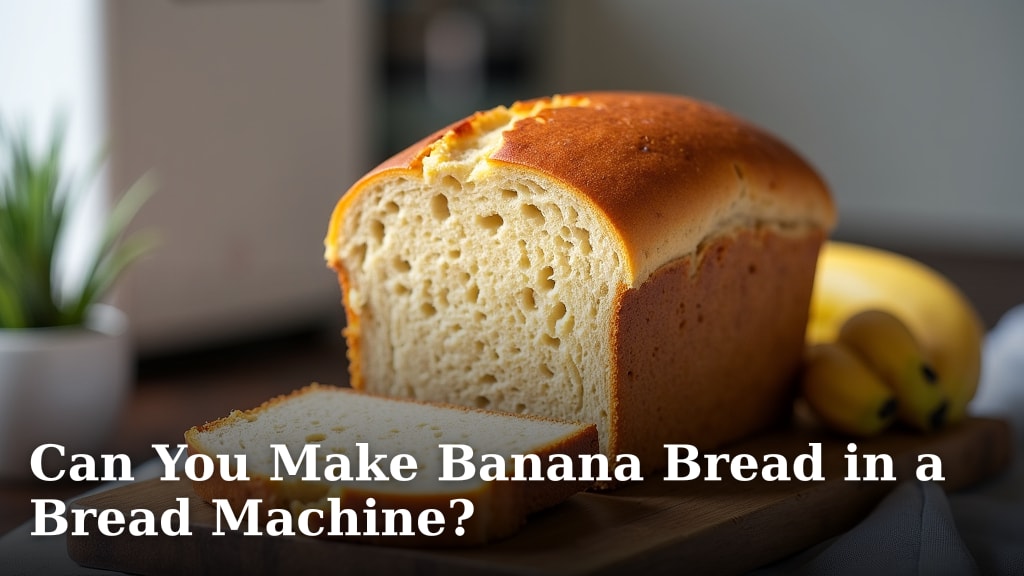
Yes, you absolutely can make banana bread in a bread machine! It’s a fantastic and convenient way to enjoy this classic treat. Your bread machine handles the mixing, kneading, and baking all in one go.
We found that using a bread machine for banana bread saves you time and effort. You get a consistently moist and delicious loaf with minimal fuss. It’s perfect for those busy mornings or when you just want a warm, homemade snack.
TL;DR:
- Bread machines make banana bread easily.
- They handle mixing, kneading, and baking.
- You save time and effort.
- The result is a moist, delicious loaf.
- It’s super convenient for busy schedules.
Ready to turn those ripe bananas into something wonderful? Let’s walk through exactly how to make delicious banana bread using your bread machine, step by step.
Making Banana Bread in Your Bread Machine: The How-To
Yes, absolutely! Your bread machine is perfectly capable of baking a delicious loaf of banana bread. It’s surprisingly simple and yields wonderful results.
Gathering Your Ingredients: What You’ll Need
Before you start, it’s helpful to have everything ready. This makes the process much smoother. You’ll need the usual suspects for banana bread, but we’ll talk about a few bread machine specifics.
The Bananas: Ripeness is Key
For the best banana bread, you want very ripe bananas. We’re talking brown spots, almost entirely black. This means they are sweeter and much easier to mash. You’ll typically need about 3 medium-sized bananas for a standard loaf.
- Too green? Your bread won’t be sweet enough.
- Just right? Soft, sweet, and easy to incorporate.
Dry Ingredients: Flour, Sugar, and Spices
Your dry ingredients form the structure and flavor base. We recommend using all-purpose flour for a tender crumb. Granulated sugar provides sweetness, and baking soda helps it rise nicely. Don’t forget a pinch of salt to balance the flavors! Many recipes also call for cinnamon or nutmeg for that classic warmth.
Wet Ingredients: Eggs, Oil, and Vanilla
These bind everything together and add moisture. Eggs act as a binder, while vegetable oil or melted butter keeps the bread moist. Vanilla extract is a must for that comforting aroma and taste. Some recipes might use milk or yogurt for extra richness, but it’s not always necessary.
The Right Order: Adding Ingredients to Your Bread Machine
This is crucial for success with any bread machine recipe, especially for quick breads like banana bread. Most bread machine manufacturers suggest adding liquids first, then dry ingredients, and finally yeast (if using). For banana bread, we don’t use yeast, but the liquid-first rule generally applies.
Here’s the typical order we found works best:
- Liquid Ingredients First: Start with your mashed bananas, beaten eggs, oil/melted butter, and vanilla extract. These go right into the bottom of the bread machine pan.
- Dry Ingredients Next: Carefully layer your flour, sugar, baking soda, salt, and spices on top of the wet ingredients. Try to keep them separate from the liquids for a moment.
- No Yeast: Since banana bread is a quick bread, you won’t be adding yeast. The baking soda will do the leavening work.
Choosing the Right Setting on Your Bread Machine
This is where things can get a little tricky, as bread machines vary. However, most have a setting that works perfectly for quick breads or cakes.
The “Quick Bread” or “Sweet Bread” Setting
If your bread machine has a dedicated “Quick Bread” or “Sweet Bread” setting, that’s your best bet. These cycles are designed for recipes that use baking soda or baking powder for leavening, rather than yeast. They typically have a shorter, gentler mixing cycle and appropriate baking time.
The “Cake” Setting
Some machines offer a “Cake” setting. This can also work well for banana bread. It often involves mixing, a short rest, and then baking. Check your machine’s manual if you’re unsure which setting is most appropriate.
Avoiding the “Basic” or “White Bread” Setting
Do NOT use the “Basic” or “White Bread” setting. These settings involve long kneading cycles and multiple rise times, which are meant for yeast breads. Using them for banana bread would overmix the batter, leading to a tough, dense loaf rather than a tender, moist one.
Tips for Perfect Bread Machine Banana Bread
Even with a bread machine, a few small tips can elevate your banana bread from good to great. We’ve gathered some insights to help you achieve that perfect loaf every time.
Don’t Overmix (Even the Machine Can Do It)
While the machine does the mixing, you still want to be mindful. The “Quick Bread” or “Cake” settings are designed to mix just enough. Resist the urge to stop and restart the machine or use a longer cycle. Overmixing develops gluten too much, which leads to a dry, chewy bread instead of a soft, moist one.
Check Your Batter Consistency
Sometimes, bananas vary in size and moisture content. After the initial mixing cycle, take a peek. The batter should be thick but pourable, not too dry and crumbly, nor too runny. If it seems too dry, add a tablespoon of milk or water. If it looks too wet, a tablespoon of flour can help. Make these adjustments sparingly.
Add-Ins: When and How
Love chocolate chips, nuts, or dried fruit in your banana bread? You can absolutely add them! We found the best time to add them is during the last few minutes of the mixing cycle. Many bread machines have a “mix-in” beep that signals when to add them. If yours doesn’t, just listen for the final mixing stage before baking begins.
Here are some popular add-ins:
- Chocolate chips (milk, dark, or white)
- Chopped walnuts or pecans
- Raisins or dried cranberries
- Shredded coconut
Troubleshooting Common Bread Machine Banana Bread Issues
Even the best recipes can have hiccups. If your banana bread isn’t quite perfect, don’t worry. We’ve identified some common problems and their solutions.
My Banana Bread is Too Dense or Gummy
This is often a sign of overmixing or too much liquid. Make sure you’re using the correct “Quick Bread” or “Cake” setting, which has a shorter mixing time. Also, ensure your bananas aren’t excessively watery. Over-ripe is good, but mushy watery isn’t ideal.
My Bread Didn’t Rise Enough
This could be due to old baking soda. Baking soda loses its potency over time. Always check the expiration date. Also, ensure you’re using the right amount as specified in your recipe. Too little, and it won’t rise.
The Top is Too Pale or Burnt
Bread machines can sometimes bake unevenly. If the top is too pale, you might need to adjust the crust setting if your machine has one (to “darker”). If it’s burning, you might be overbaking, or your machine runs hot. You can try tenting the top with foil during the last part of baking, but be careful not to interfere with the heating element.
Why Use a Bread Machine for Banana Bread?
You might be wondering, “Why bother with a bread machine for something I can make by hand?” It boils down to convenience and consistency.
Here’s a quick comparison:
| Feature | Bread Machine Method | Traditional Oven Method |
|---|---|---|
| Effort | Minimal hands-on. Add ingredients, press button. | Mixing, transferring to loaf pan, monitoring oven. |
| Clean-up | One bread pan and a few measuring tools. | Multiple bowls, mixer attachments, loaf pan. |
| Consistency | Reliably moist, even bake due to controlled environment. | Can vary based on oven, mixing technique. |
| Time Saved | Automates entire process, freeing up your time. | Requires active attention during mixing and baking. |
We found that for busy mornings or when you just don’t feel like pulling out all the baking gear, the bread machine is a true lifesaver. It’s perfect for setting up before bed and waking up to the smell of freshly baked banana bread!
Your Banana Bread Checklist for Success
To make sure you hit all the marks for perfect bread machine banana bread, here’s a quick checklist:
- Use very ripe, spotted bananas.
- Add wet ingredients first, then dry.
- Select the “Quick Bread” or “Cake” setting.
- Don’t overmix the batter.
- Add mix-ins during the last few minutes of mixing.
- Let the bread cool slightly before slicing.
Conclusion
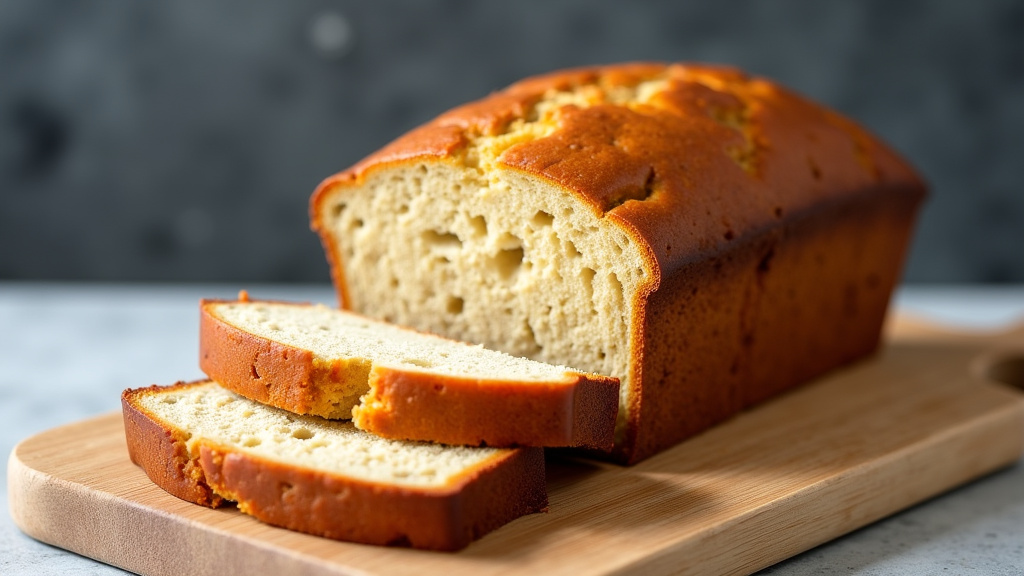
You’ve seen that making banana bread in your bread machine is not just possible, but incredibly simple and rewarding. We found it truly transforms how you approach baking this classic treat. By following our tips on ingredient order, choosing the correct setting, and understanding how to troubleshoot, you’re set for success. You can confidently turn those ripe bananas into a moist, delicious loaf with minimal effort. Go ahead, give it a try tonight!
Frequently Asked Questions
Can I use over-ripe frozen bananas for bread machine banana bread?
Yes, absolutely! Frozen bananas are excellent for banana bread. Just be sure to thaw them completely first and drain any excess liquid before mashing. This helps maintain the right batter consistency.
Does the size of my bread machine matter for banana bread?
It can. Most standard recipes are for a 1.5-2 lb loaf machine. If you have a smaller or larger machine, you may need to adjust the recipe quantities slightly to prevent overflow or an undersized loaf. Always consult your machine’s manual.
Can I use whole wheat flour instead of all-purpose flour?
You can substitute some whole wheat flour, but we recommend not replacing all of it. Whole wheat flour can make the bread denser. Try a 50/50 blend with all-purpose flour for a good balance of texture and nutrition.
How do I store bread machine banana bread to keep it fresh?
Store your banana bread in an airtight container at room temperature for up to 3-4 days. For longer storage, wrap individual slices or the whole loaf tightly and freeze for up to 3 months. Thaw at room temperature when ready to enjoy.
What if my bread machine doesn’t have a “Quick Bread” or “Cake” setting?
If your machine lacks these specific settings, look for one that has a short mixing cycle followed by baking without any long rises. Some older machines might have a “dough” cycle that you can stop after mixing, then manually start a “bake” cycle, but this requires more attention.
