
Is It Safe to Use Metal Utensils in a Bread Machine?
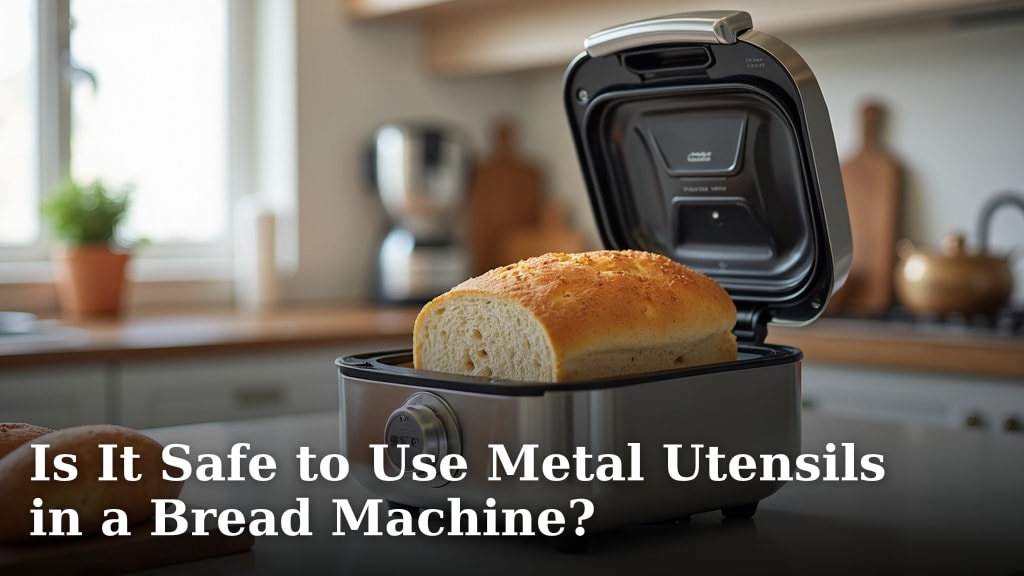
Yes, you can generally use metal utensils in your bread machine. Most modern bread machines are designed to handle metal accessories without causing damage. You can often use metal spoons and spatulas for scooping out your delicious bread. Just be mindful of scratching the non-stick pan, which can happen with any utensil.
It’s wise to be cautious and understand your specific machine’s requirements. While metal is usually okay, harsh scrubbing or scraping could potentially harm the non-stick coating over time. We recommend checking your bread machine’s manual for any specific warnings about utensil use. Protecting your machine helps ensure perfectly baked loaves for years to come.
- Metal utensils are generally safe for bread machines.
- Avoid aggressive scraping that could scratch the non-stick pan.
- Always consult your bread machine’s manual for specific advice.
- Using gentle tools helps maintain your machine’s longevity.
Let’s dive into the details to make sure you’re using the right tools for your bread-making adventures!
So, you’ve got a delicious bread recipe and your trusty bread machine is ready to go. But then you look at your utensil drawer and wonder: “Can I just grab that metal spatula or spoon?” It’s a common question, and we’re here to help you figure it out!
Using Metal Utensils with Your Bread Machine
The short answer is: yes, usually. Most modern bread machines are built tough. They can handle metal utensils without a problem. You can typically use them for scooping out your finished loaf or for cleaning out the bread pan. Think of it like using metal cookware on your stove; it’s generally designed for that kind of use.
However, there’s a little more to it than just grabbing any metal tool. We need to be a bit more careful about how we use them. Your bread machine has a non-stick coating on its pan. This coating is super important for getting your bread out easily. We want to protect that coating!
Understanding Your Bread Machine’s Pan
Bread machine pans are usually coated with a material like Teflon. This makes sure your bread doesn’t stick. It’s a fantastic feature that makes bread-making a breeze. But this coating can be scratched.
When the non-stick coating gets damaged, two things can happen. First, your bread might start sticking to the pan. This can make it harder to remove your perfectly baked loaf. Second, the damaged coating might flake off into your bread. Nobody wants that!
What is a Non-Stick Coating?
A non-stick coating is a special layer applied to cookware and appliances. It prevents food from sticking. This layer is typically made of polymers like PTFE (polytetrafluoroethylene), commonly known as Teflon. It works by creating a very smooth surface. This smoothness means food particles have less to grip onto. For your bread machine, this means your loaf slides out easily.
Why Protecting It Matters
We found that many users love their bread machines for the convenience. A big part of that convenience is the easy cleanup. A damaged non-stick surface means more scrubbing and more potential problems with your bread. Keeping that coating intact is key to enjoying your machine for a long time. Think of it as keeping your car’s paint job looking fresh.
Types of Metal Utensils and Their Safety
Not all metal utensils are created equal when it comes to your bread machine. Some are perfectly fine, while others require a bit more caution.
Safe Options
Rounded metal spoons and spatulas are generally safe for scooping out bread. Their smooth, rounded edges are less likely to cause damage. If you’re just gently lifting your bread, these are your best bet. We found that most standard kitchen spatulas with a metal head and a comfortable handle work well for this task. Just ensure there are no sharp edges.
Utensils to Be Cautious With
Avoid utensils with sharp edges or abrasive surfaces. Things like metal whisks, graters, or stiff wire brushes are not suitable. These can easily scratch the non-stick coating. Even some metal spatulas have a sharp lip that could potentially scrape the pan. Always feel the edges of your utensil before using it near the bread pan’s surface.
Plastic and Silicone Alternatives
If you’re ever in doubt, or if you want to be extra cautious, there are excellent plastic and silicone alternatives. These materials are much softer than metal. They are specifically designed to be non-scratch. Many bread machine manufacturers even include a plastic or silicone paddle for removing the dough hook. These are your safest bet for protecting the pan. We found that high-quality silicone spatulas are very flexible and gentle.
Best Practices for Using Utensils in Your Bread Machine
Even with metal utensils, the way you use them makes all the difference. Gentle handling is key.
Gentle Scooping and Cleaning
When removing your bread, use a gentle scooping motion. Don’t pry or scrape aggressively at the loaf. If the bread is sticking a bit, try wiggling the pan gently first. For cleaning, use a soft cloth or sponge. If you must use a utensil to dislodge stubborn bits, do so very carefully. Avoid scrubbing motions. Many experts recommend cleaning the pan immediately after it cools a bit, as food is less likely to be baked on.
Avoiding Aggressive Actions
Aggressive actions include scraping hard against the bottom or sides of the pan. Also, avoid using tools to forcibly remove a stuck dough hook. If the dough hook is stuck, running warm water into the pan for a few minutes can often loosen it. This prevents you from needing to pry it out with force. Remember, patience here saves your pan.
When to Check Your Manual
Your bread machine’s manual is your best friend. It will have specific instructions and warnings from the manufacturer. Some manufacturers might have strict guidelines about utensil use. Others might be more relaxed. We always recommend giving your manual a quick read, especially when you first get your machine. It can save you a lot of potential trouble later on.
Here’s a quick checklist to help you remember the important points:
- Always check your bread machine manual first.
- Use soft, rounded metal utensils for scooping.
- Avoid utensils with sharp edges or abrasive surfaces.
- Plastic or silicone tools are the safest alternative.
- Handle the bread pan gently; don’t scrape or pry.
- Clean the pan with soft cloths or sponges.
What About the Dough Hook?
The dough hook is a special case. It sits inside the bread pan and mixes your dough. Sometimes, it stays attached to the baked loaf. Removing it requires care.
Removing a Stuck Dough Hook
If the dough hook is stuck, don’t panic. Try gently wiggling it with your fingers. If that doesn’t work, you can often use the tool that came with your machine. Many bread machines come with a small plastic or metal tool specifically for this. If you don’t have that, a plastic utensil can be used. If you must use a metal utensil, be very gentle. Avoid forcing it. A little patience and warm water can work wonders.
The Importance of the Included Tool
Manufacturers usually include a specific tool for removing the dough hook for a reason. This tool is designed to work with your machine’s pan without causing damage. We found that using this tool is the most recommended method. It respects the non-stick coating while getting the job done. If you’ve lost yours, consider purchasing a replacement directly from the manufacturer or a compatible aftermarket tool.
Here’s a quick comparison of common utensil materials and their impact:
| Utensil Material | Pros for Bread Machines | Cons for Bread Machines | Recommendation |
|---|---|---|---|
| Metal (Rounded Spoon/Spatula) | Durable, readily available. | Can scratch non-stick coating if used aggressively. | Use with caution; gentle scooping only. |
| Metal (Sharp/Abrasive) | Durable. | High risk of scratching non-stick coating. | Avoid using in the bread pan. |
| Plastic | Gentle on non-stick surfaces. | Can melt if used at very high temperatures (not an issue in bread pans). May break over time. | Good for scooping and dough hook removal. |
| Silicone | Very gentle on non-stick surfaces, flexible, heat resistant. | Can sometimes be less rigid, making very thick dough removal slightly harder. | Excellent for all bread machine tasks. |
Long-Term Care for Your Bread Machine Pan
Taking good care of your bread machine pan ensures many happy baking days. It’s not just about using the right utensils. It’s about a consistent, gentle approach.
We found that a simple routine helps. Always allow the pan to cool before washing. Use a soft sponge or cloth. Avoid abrasive cleaners or scouring pads. If you follow these steps, even if you use a metal utensil occasionally, your pan should last a long time. Think of it as a simple maintenance routine for your appliance.
Conclusion
You’ve learned that using metal utensils in your bread machine is generally safe, but it comes with a few important caveats. The key is gentle handling to protect your machine’s non-stick pan. Always favor rounded spoons and spatulas over anything sharp or abrasive. If you’re ever in doubt, your bread machine’s manual is your best guide, and soft silicone or plastic alternatives are always a smart, safe choice. By being mindful of your tools and how you use them, you’ll ensure many more perfectly baked loaves.
Frequently Asked Questions
Will using a metal spoon scratch my bread machine pan?
A metal spoon, especially one with a rounded edge, is unlikely to cause significant damage if used gently for scooping out bread. However, aggressive scraping or using a spoon with any sharp edges or rough spots could potentially scratch the non-stick coating over time. We recommend using a soft cloth or silicone spatula for cleaning to be extra safe.
What’s the best metal utensil for removing bread from the pan?
The best metal utensils for removing bread are typically rounded metal spoons or spatulas. Their smooth, curved edges minimize the risk of scratching the non-stick coating. Just remember to use a gentle scooping motion rather than prying or scraping.
Can I use a metal spatula to clean burnt-on bits from the bread pan?
It’s best to avoid using metal spatulas for cleaning burnt-on bits. Metal, even if it seems soft, can still scratch the non-stick surface. Instead, try soaking the pan in warm, soapy water and then gently cleaning with a soft sponge or cloth. If absolutely necessary, use the plastic tool that came with your machine or a silicone scraper.
What if I don’t have the original dough hook removal tool?
If you’ve lost the original dough hook removal tool, don’t worry. A plastic or silicone utensil, like a spatula or spoon, can often be used gently to dislodge a stuck dough hook. Running a little warm water into the pan can also help loosen it. Avoid using excessive force with any tool.
Are all bread machine pans made the same way, regarding utensil safety?
While most modern bread machine pans have a non-stick coating, the exact material and durability can vary by manufacturer. This is why consulting your specific bread machine’s manual is always the most reliable way to know what’s recommended for utensil use. Some manufacturers may have stricter guidelines than others.
