
Is It Safe to Open a Bread Machine Mid Cycle?
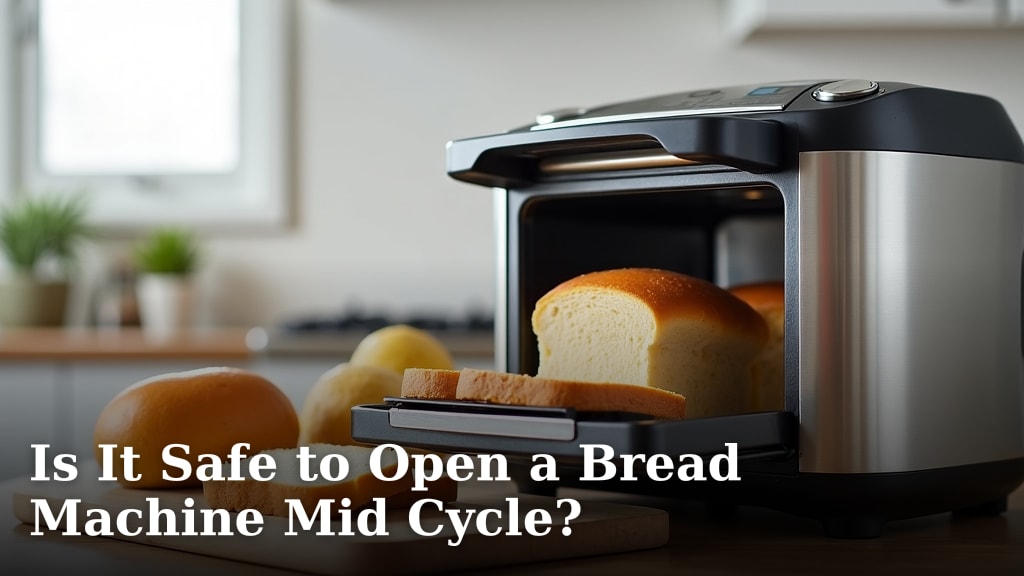
Yes, it is generally safe to open your bread machine mid-cycle, but with a few important precautions. You can lift the lid briefly to check on the dough or make minor adjustments. Just be sure to close it quickly to maintain the internal temperature.
Many home bakers wonder about this. It’s a common curiosity when you’re baking bread from scratch. We understand wanting to peek and ensure everything is going perfectly. Knowing when and how to open it is key to a successful loaf, preventing issues like a cracked crust or uneven baking.
- Generally safe to open briefly.
- Close lid quickly to keep heat in.
- Avoid opening during critical baking phases.
- Listen for unusual noises or smells.
Let’s walk through exactly when it’s okay to peek and what to watch out for so your bread machine adventures are always delicious.
Peeking Inside Your Bread Machine: When It’s Okay
You’ve just started your bread machine. The dough is beginning to knead. You might be wondering if you can lift the lid just to take a peek. Research shows that, in most cases, it is perfectly safe to open your bread machine briefly during certain cycles. This is especially true during the kneading stages. Think of it like checking on a sleeping baby – a quick glance won’t hurt. However, there are a few key things to keep in mind to ensure your bread turns out perfectly. To ensure your bread turns out perfectly, our guide covers key things to keep in mind, like ingredient temperature.
Understanding Your Bread Machine’s Cycles
Bread machines work in distinct stages. These include kneading, rising, and baking. Each stage has a specific temperature and humidity requirement. Opening the lid can disrupt these delicate conditions. Most manufacturers suggest minimizing lid openings, especially during the baking phase. Why? Because that’s when the crust develops and the internal temperature is most critical for a proper bake. You want that consistent warmth for a beautiful golden-brown loaf.
The Kneading Phase: Your Window of Opportunity
The kneading cycle is generally the most forgiving for opening the lid. This is when the dough is being developed. You might want to check its consistency. Is it too wet? Too dry? This is your chance to make small adjustments. For instance, if the dough looks shaggy and dry, you might carefully add a tablespoon of water. If it seems overly sticky, a tablespoon of flour can help. Just remember to close the lid swiftly afterward.
What to Look For During Kneading
During kneading, the dough should form a smooth, elastic ball. It should pull away from the sides of the pan. If it’s sticking everywhere, it might need a little more kneading or a tiny bit less liquid. Conversely, if it looks crumbly, it might need a touch more moisture. Many bakers find this stage fascinating. It’s where the magic of gluten development happens, and seeing it firsthand is quite satisfying. Just don’t overdo the peeking; a quick check is enough.
The Danger Zone: Avoid During Baking
Once your bread machine moves into the baking cycle, resist the urge to open the lid. This is when the heat is crucial. Lifting the lid releases that precious warmth. This can lead to several issues. Your bread might not rise properly. The crust could become pale or uneven. In some cases, it can even cause the bread to collapse in the middle. Think of it like opening your oven door too early when baking a cake – you’re disrupting the environment it needs to set and cook through. You want that consistent heat to create a perfect loaf.
The First Rise: A Delicate Balance
The first rise is another critical period. During this time, the yeast is actively working. It’s producing gases that make the dough expand. Opening the lid can cause a sudden drop in temperature. This can shock the yeast and slow down its activity. You might end up with a denser loaf than you intended. While some machines have a window, it’s often best to rely on the machine’s cycle indicator for this stage. Let the machine do its work undisturbed.
Best Practices for Opening Your Bread Machine
So, you’ve decided to peek. How can you do it safely and effectively? It’s all about speed and purpose. You don’t want to let a lot of heat escape. You also don’t want to accidentally knock anything into the dough. A little preparation goes a long way in ensuring a successful baking experience.
The “Quick Peek” Technique
When you do decide to open the lid, make it a swift action. Lift the lid just enough to see. Don’t pull it all the way back if you can avoid it. If you need to make an adjustment, be quick and precise. Imagine you’re performing a minor surgery on your dough. In and out, with minimal disturbance. Closing the lid promptly is just as important as opening it. You want to recapture that internal heat as quickly as possible.
Using Your Machine’s Features Wisely
Some bread machines come with a viewing window. These are designed to let you observe the process without fully opening the lid. While helpful, even these windows can lead to heat loss if you stare for too long. Use them for quick checks. If your machine doesn’t have one, don’t worry. You can still open it briefly during the kneading phase. Just be extra mindful of the timing and speed.
Listening and Smelling for Clues
Sometimes, your senses can tell you more than your eyes. Are you hearing unusual grinding or scraping noises? This could indicate a problem with the kneader arm or ingredients. Does the machine smell like burning plastic or overheating components? These are clear signs something is amiss. In such cases, it might be safer to pause the machine and investigate. Don’t hesitate to consult your owner’s manual if you encounter strange sounds or smells. It’s better to be safe than sorry.
The Checklist for Safe Lid Opening
To help you remember the key points, here’s a quick checklist:
- Open only during the kneading cycle if necessary.
- Be swift; lift the lid just enough to see.
- Close the lid immediately after your check.
- Avoid opening during rising or baking.
- Listen for unusual noises.
- Smell for any signs of overheating or burning.
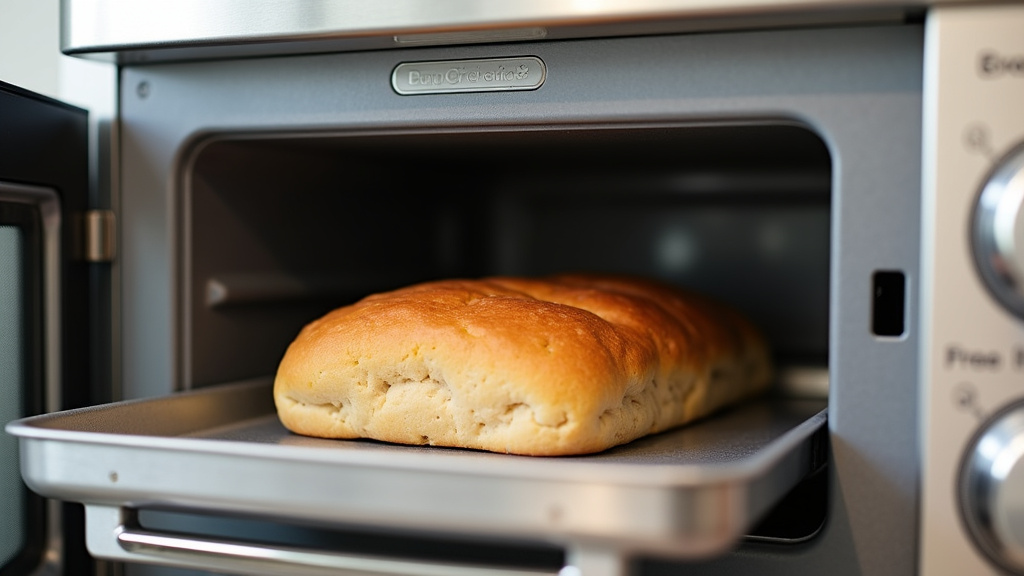
What Happens If You Open It At The Wrong Time?
Opening the bread machine at an inopportune moment can affect your final loaf. The most common issue is a less-than-perfect crust. You might notice it’s pale, cracked, or unevenly browned. If you open it during the first rise, the dough may not achieve its full volume. This can result in a loaf that’s dense or heavy. The internal structure might not be as airy as you’d like. These aren’t usually dangerous issues, but they can be disappointing if you’re aiming for artisanal perfection. It’s a gentle reminder that consistency is key in baking.
A Comparison of Open vs. Closed Cycles
Let’s look at how opening the lid can impact your bread, based on general baking principles:
| Cycle Phase | Impact of Opening Lid Briefly | Potential Outcome |
|---|---|---|
| Kneading | Minimal impact if quick; can allow for minor adjustments. | Slightly less developed dough if opened too long. |
| First Rise | Can cause temperature drop, slowing yeast activity. | Denser loaf, less volume, weaker structure. |
| Baking | Significant heat loss, disrupting crust formation and internal cooking. | Pale or cracked crust, undercooked center, collapsed loaf. |
As you can see, the baking phase is the most sensitive. The first rise is also delicate. The kneading phase offers the most flexibility. Most experts agree that minimizing disruption is generally best for consistent results (USDA Food Safety Guidelines for Home Baking). Following these guidelines can help you achieve that perfect loaf every time.
Conclusion
You’ve learned that peeking into your bread machine mid-cycle is usually safe, but timing is everything. Your machine’s kneading phase is the best time for a quick check or minor adjustments. Always remember to be swift and close the lid promptly to keep that essential warmth inside. Avoid opening during the rising and baking stages to ensure your loaf gets the consistent environment it needs. By following these simple tips, you’re well on your way to consistently delicious homemade bread. So go ahead, give your dough a little check, but do it wisely for the best results!
Frequently Asked Questions
Can I open my bread machine to add extra ingredients mid-cycle?
Yes, you can usually add extra ingredients during the kneading phase. This is your best window for modifications. Just be sure to close the lid quickly to maintain the internal temperature. Avoid adding ingredients during rising or baking, as this can significantly disrupt the process.
What if my bread machine has a viewing window? Is it always safe to look?
A viewing window is helpful for quick checks without fully opening the lid. However, even looking through the window for an extended period can cause heat to escape. Use it for brief observations. For more significant adjustments or checks, opening the lid briefly during kneading is still the recommended approach.
What are the signs that I shouldn’t open my bread machine?
You should avoid opening your bread machine if you hear unusual grinding or strange noises, or if you smell burning plastic or overheating. These sounds and smells can indicate mechanical issues or potential hazards. In such cases, it’s safer to pause the machine and consult your owner’s manual.
Will opening the lid during the baking cycle ruin my bread?
Opening the lid during the baking cycle can definitely impact your final loaf. It causes a significant loss of heat, which is critical for developing a proper crust and ensuring the bread bakes through evenly. You might end up with a pale, cracked, or unevenly cooked loaf, or even one that collapses.
How long is too long to keep the bread machine lid open?
There’s no exact time, but the key is minimal disruption. Aim for just a few seconds, enough to see what you need or make a quick addition. The longer the lid is open, the more heat escapes, affecting the dough or the baking process. Close it as soon as you’re done!
