
Can You Make Money Selling Bread Made in a Bread Machine?
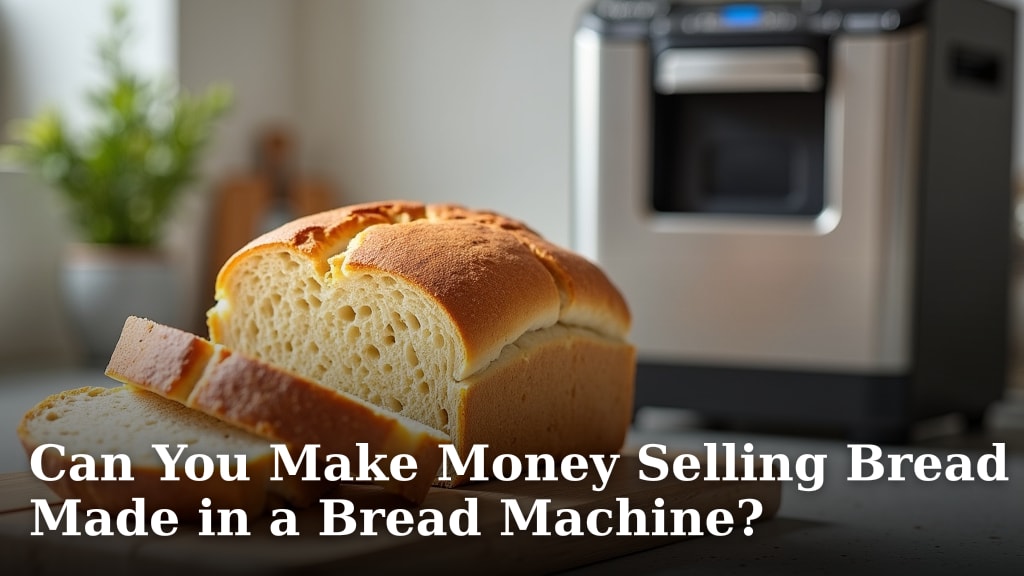
Yes, you absolutely can make money selling bread made in a bread machine. Many people have successfully turned their love for fresh, homemade bread into a profitable side hustle or even a full-time business. It’s a fantastic way to earn extra income by sharing delicious baked goods with your community.
The key is understanding your local market and what makes your bread special. Focusing on quality ingredients, unique flavors, or convenient delivery can help you stand out from the competition. You might find a niche selling artisanal loaves, gluten-free options, or even breakfast pastries made with your bread machine.
- Yes, bread machine bread can be sold for profit.
- Focus on quality ingredients and unique flavors.
- Understand your local market demand.
- Consider offering delivery or pickup options.
- Legal requirements vary by location, so research them.
Below, we’ll walk you through the steps and considerations for starting your bread-selling venture. We’ll cover everything from legal requirements to marketing your delicious creations.
You’re probably wondering if that fluffy loaf you pull from your bread machine could actually earn you some cash. The answer is a resounding yes! Turning your bread-making hobby into a source of income is totally achievable. Many home bakers have found success selling their delicious creations. It takes a bit of planning, but the smell of fresh bread can translate into real money.
Turning Your Bread Machine Baking into Income
Making money selling bread baked in a bread machine is a viable business. It’s a fantastic way to use your appliance for more than just personal enjoyment. You can start small and scale up as you gain customers. Think of it as sharing a little bit of homemade happiness with your neighbors.
Assessing Your Local Market and Niche
Before you start baking for profit, you need to understand who will buy your bread and what they’re looking for. Your local community is your primary market. What kind of bread do they already buy? Are there local bakeries? What are their prices?
Identifying Demand for Your Bread
We found that asking around is a great starting point. Chat with friends, family, and neighbors. What are their favorite kinds of bread? Are they looking for something specific, like sourdough, rye, or whole wheat? Sometimes people crave the **comfort of homemade bread** that just isn’t available in stores. You might discover a gap in the market that your bread machine can fill perfectly.
Finding Your Unique Selling Proposition (USP)
What makes your bread special? Is it your secret family recipe? Do you use only the freshest, locally sourced ingredients? Perhaps you offer unique flavors like rosemary-garlic or sun-dried tomato basil. Focusing on quality and **distinctive taste** can help you stand out. Your bread machine can produce a consistent base, but your personal touch makes it shine.
Understanding the Legalities of Selling Food
This is a crucial step. Selling food, even from your home, often comes with regulations. These rules are in place to protect consumers and ensure food safety. You’ll need to research what applies in your specific location.
Cottage Food Laws Explained
Many states have “cottage food laws.” These laws allow you to sell certain low-risk foods made in your home kitchen directly to consumers. Bread is typically considered a low-risk food. However, these laws often have restrictions. They might limit the types of ingredients you can use or where you can sell your products. For instance, you might only be able to sell directly to individuals, not to restaurants or stores. We found that checking your state’s Department of Health website is the best way to find these regulations.
Permits, Licenses, and Inspections
Depending on your location and the scale of your operation, you might need business licenses or permits. Some areas require a home kitchen inspection. It’s better to be safe and know the requirements upfront than to face penalties later. This due diligence ensures you’re operating legally and safely.
Setting Up Your Bread Business Operations
Once you know the legal requirements, you can focus on setting up your baking and selling process. Think about efficiency and how you’ll manage your time and resources.
Choosing Your Bread Machine and Recipes
While many bread machines can produce a good loaf, some are better suited for commercial-style baking. You might want to invest in a machine known for its durability and versatility if you plan on baking frequently. You also want to have a few You might want to invest in a durable and versatile bread machine; our guide reviews the best on the market.reliable recipes that consistently produce delicious results. Practice them until you can make them perfectly every time. Your bread machine is your partner in this venture.
Sourcing Quality Ingredients Affordably
The quality of your ingredients directly impacts the taste and quality of your bread. Using fresh, high-quality flour, yeast, and other components will make a noticeable difference. Buying in bulk from wholesale suppliers or local farms can help you manage costs. Many successful home bakers create relationships with local suppliers for the best ingredients.
Pricing Your Bread for Profit
You need to make sure your prices cover your costs and leave you with a profit. Calculate the cost of all your ingredients for each loaf. Don’t forget to factor in your electricity usage and the wear and tear on your bread machine. Then, research what similar artisan breads sell for in your area. You want to be competitive but also reflect the quality of your homemade product. A simple pricing structure could be: Cost of Ingredients + Labor + Overhead + Profit Margin = Price.
Packaging and Presentation
How you present your bread matters. Simple, clean packaging can make your loaves look professional and appealing. Consider using paper bags, bread bags with windows, or even simple twine to tie them. Clearly labeling your bread with the type and ingredients is also important, especially for customers with allergies. Good presentation can **enhance perceived value**.
Marketing Your Delicious Bread
You’ve got amazing bread; now you need people to know about it! Marketing is key to reaching customers and growing your business.
Leveraging Social Media and Local Networks
Platforms like Facebook and Instagram are great for showcasing your products. Post appealing photos of your freshly baked bread. Share your baking process. Announce when and where your bread will be available. Joining local community groups online can also help you reach potential customers. Word-of-mouth is incredibly powerful, so encourage happy customers to spread the word.
Offering Convenient Sales Channels
Think about how customers will get your bread. Will you offer pickup from your home? Could you deliver to local neighborhoods for an extra fee? Setting up a regular baking schedule and communicating it clearly will help customers plan their purchases. Some bakers set up stalls at **local farmers’ markets**, which can be a fantastic way to connect directly with buyers and build a loyal following.
Here’s a quick checklist to get you started:
- Research local cottage food laws and regulations.
- Develop a few signature bread recipes.
- Calculate your ingredient costs accurately.
- Determine a fair and profitable pricing strategy.
- Plan your packaging and labeling.
- Create a simple marketing plan to reach customers.
Conclusion
You’ve learned that turning your bread machine hobby into a profitable venture is absolutely possible. Success hinges on understanding your local market and identifying a unique angle for your bread. From checking cottage food laws to pricing your loaves fairly, each step builds a solid foundation for your business. Don’t forget that high-quality ingredients and attractive packaging make a big difference. Ready to bake your way to extra income? Ready to bake your way to extra income? Our guide on saving money making bread at home can help.Start by researching your local regulations today.
Frequently Asked Questions
How much can I realistically charge for bread made in a bread machine?
Pricing depends on your ingredient costs, labor, and local market. We found that researching prices at local bakeries or farmers’ markets is a good starting point. Aim to cover your expenses and make a reasonable profit, usually between $5-$10 per loaf for artisan-style breads.
What are the biggest mistakes people make when selling homemade bread?
A common mistake is underpricing your bread, not accounting for all costs. Another is overlooking local food safety regulations. Many bakers also struggle with consistent marketing and packaging. We found that good planning in these areas leads to better success.
Do I need special equipment besides a bread machine to sell bread?
For starting out, your bread machine is your main tool. You’ll also need good quality baking pans if you bake loaves outside the machine, and basic kitchen tools. Investing in professional-looking packaging is also wise. You don’t need a commercial kitchen for most cottage food operations.
How can I ensure my bread is safe to sell to others?
Always follow safe food handling practices. This includes clean workspaces, proper ingredient storage, and baking bread thoroughly. Researching your local cottage food laws will guide you on specific safety requirements for home-based food businesses.
What kind of bread sells best for home bakers?
We found that classic, comforting breads like whole wheat, sourdough, and basic white loaves are always popular. Unique flavors such as garlic-herb or olive bread can also attract customers looking for something different. Offering a gluten-free option can tap into a growing market too.
