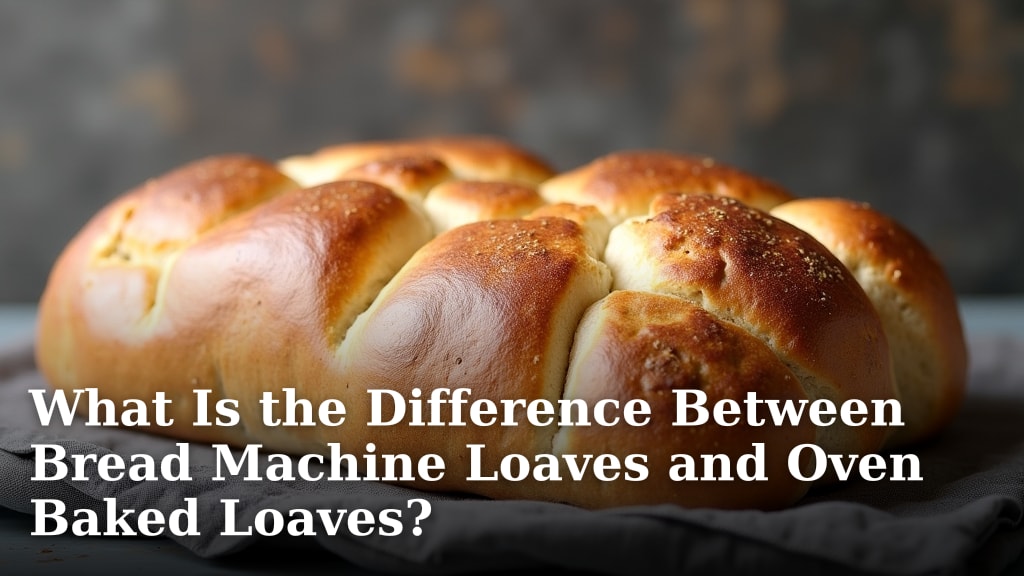
How To Save Money Making Bread At Home?
You can significantly save money making bread at home by purchasing ingredients in bulk, opting for simple recipes, and utilizing a bread machine for its energy efficiency.
Making bread at home allows you to take charge of your food budget, bypassing store markups and minimizing food waste, making homemade bread a truly budget-friendly choice.
Here’s a quick overview of how baking your own bread can benefit your wallet:
- You can save significantly on groceries by baking at home.
- You gain control over ingredient quality and costs.
- A bread machine provides convenience and energy savings.
- Bulk purchases of ingredients drastically reduce your per-loaf expense.
- Smart storage and creative uses for leftovers help reduce food waste.
How To Save Money Making Bread At Home?
You can save a lot of money making bread at home by focusing on ingredient costs, choosing efficient baking methods, and reducing waste effectively.
Understanding Your Current Bread Costs
Have you ever stopped to calculate the real cost of your weekly bread purchases? It is often more than you might think. Store-bought loaves add up quickly, especially if you buy specialty or organic options.
The Real Price of Store-Bought Bread
Many store-bought breads come with hidden costs. You pay for the baking, packaging, shipping, and store markup. These factors can make a single loaf surprisingly expensive compared to its basic ingredients.
Baking Smart: Ingredients Are Key
The foundation of saving money is smart ingredient selection. Your choices here make the biggest difference to your budget. Think of your kitchen as a mini bakery where you control the supply chain.
Buying Ingredients in Bulk
One of the easiest ways to save is to buy flour, yeast, and salt in larger quantities. A 25-pound bag of all-purpose flour costs far less per pound than a 5-pound bag. Stores like Costco or restaurant supply shops are great for this (Consumer Reports).
Choosing Affordable Flour
While specialty flours have their place, sticking to basic all-purpose or bread flour is cost-effective. These are versatile and form the base for most common bread recipes. Experiment with less expensive options first.
Mastering Basic Recipes
Simple recipes often mean fewer ingredients. A basic white or whole wheat loaf needs only flour, water, yeast, salt, and maybe a little sugar or oil. These ingredients are typically very inexpensive to purchase.
Your Baking Method Matters
How you bake your bread can also affect your savings. Both traditional oven baking and using a bread machine have their own cost-saving aspects. Consider what works best for your schedule and budget.
The Bread Machine Advantage
A bread machine is an investment that quickly pays for itself. It mixes, kneads, proofs, and bakes your bread with minimal effort. This saves you time and often uses less electricity than a full-sized oven for a single loaf (Department of Energy data often shows this for small appliances).
We found that many bread machine owners report significant savings over time. The convenience also reduces the chance of buying store-bought bread when you are short on time. It is a win-win situation for busy households.
Oven Baking for Batch Savings
If you prefer oven baking, consider making multiple loaves at once. You can bake two or three loaves during one oven cycle. This maximizes the energy spent and allows you to freeze extra loaves for later. Freezing is a great way to preserve freshness.
Smart Practices for Maximum Savings
Beyond the basics, a few clever habits can stretch your budget further. These small adjustments can lead to big savings over months and years. Think like a seasoned baker who wastes nothing.
Reducing Food Waste
One common pitfall is letting bread go stale. Store your bread properly in an airtight container or bag. If it does get stale, do not throw it away! Turn it into croutons, breadcrumbs, or a delicious bread pudding. Many experts say this is a key step in saving money.
- Store bread in an airtight container.
- Slice and freeze extra loaves or portions.
- Revive slightly stale bread with a quick mist and reheat.
- Use stale bread for croutons or breadcrumbs.
- Make bread pudding or French toast with older bread.
Making Your Own Bread Mixes
Pre-packaged bread mixes are convenient but costly. You can create your own custom mixes at home for a fraction of the price. Simply measure out dry ingredients like flour, yeast, sugar, and salt into jars. When you are ready to bake, just add water and oil. This is a brilliant money-saving hack.
Energy Costs: Oven Versus Bread Machine
The energy consumption difference between an oven and a bread machine can be significant. A bread machine is typically more energy-efficient for baking a single loaf. Ovens use more power to heat a larger space.
We found that many experts agree that smaller appliances often use less energy than larger ones for similar tasks. This makes your bread machine a smart choice for daily baking. For larger batches, the oven becomes more competitive.
Beyond Basic Loaves: Expanding Your Savings
Once you are comfortable with basic bread, consider other baked goods. Making your own pizza dough, hamburger buns, or even sweet rolls can save you even more. The skills you learn for bread are easily transferred. You will be amazed at how much you can create.
Cost Comparison: Homemade vs. Store-Bought
Here’s a simple comparison to help you visualize the savings. These are estimated costs and can vary greatly based on your local prices and bulk buying habits.
| Item | Estimated Cost Per Loaf |
|---|---|
| Homemade Basic White Bread (Ingredients Only) | $0.50 – $1.00 |
| Standard Store-Bought White Bread | $2.50 – $4.00 |
| Artisan Store-Bought Bread | $4.00 – $7.00+ |
Your Bread Savings Checklist
Keep this checklist handy to ensure you are maximizing your savings:
- Always buy flour, yeast, and salt in bulk.
- Choose simple bread recipes with fewer ingredients.
- Utilize your bread machine for everyday convenience and efficiency.
- Bake multiple loaves in the oven to save on energy for larger batches.
- Store bread properly to extend its freshness.
- Repurpose stale bread into croutons or breadcrumbs.
- Consider making your own dry bread mixes.
Conclusion
Making bread at home is a simple yet powerful way to save money. By focusing on smart ingredient purchases, efficient baking methods, and minimizing waste, you can enjoy delicious, fresh bread without breaking the bank. It is an act of self-sufficiency that rewards you with both savings and satisfaction. So, dust off that bread machine or preheat your oven and start baking your way to a more budget-friendly kitchen today!
FAQs
Is a bread machine worth the investment for saving money?
Yes, many experts find that a bread machine is a worthwhile investment, especially for regular bread bakers. It saves time, uses less energy than a full oven for single loaves, and reduces the temptation to buy expensive store-bought bread. Its convenience alone can prevent impulse purchases.
What are the cheapest ingredients for homemade bread?
The cheapest ingredients for homemade bread are typically all-purpose flour, active dry yeast, salt, sugar, and water. Buying these staple items in bulk quantities will further decrease your cost per loaf.
How much money can I really save by baking my own bread?
You can save a significant amount of money, often hundreds of dollars per year, depending on your bread consumption and the type of bread you usually buy. With basic ingredients costing under $1.00 per loaf, compared to store prices of $2.50 to $7.00+, the savings add up quickly.
Can I still save money if I only bake bread occasionally?
Even baking occasionally can save you money, especially if you tend to buy premium or artisan breads from the store. The key is to avoid wasting ingredients and to make sure your occasional bake replaces a planned store purchase, rather than being an addition to it.
What’s the best way to store homemade bread to prevent waste?
To prevent waste, store homemade bread in an airtight container or a sealed plastic bag at room temperature for up to 3-4 days. For longer storage, slice the bread and freeze it. You can then toast individual slices as needed, keeping the rest fresh.