
What Is the Difference Between Bread Machine Loaves and Oven Baked Loaves?
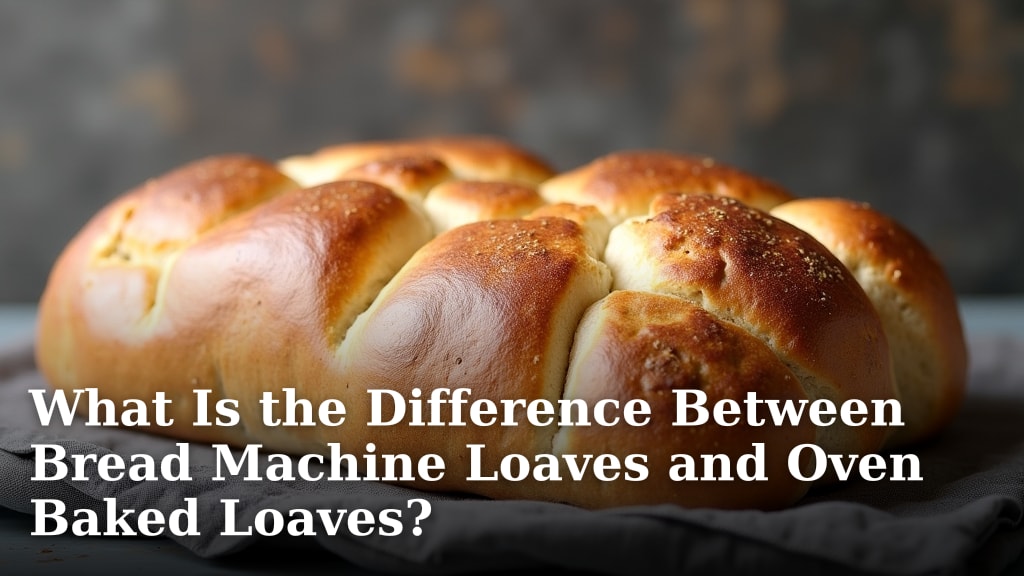
The main difference between bread machine loaves and oven-baked loaves lies in their crust texture and overall loaf shape. Bread machines tend to produce loaves with a softer, paler crust and a more uniform, often rectangular shape. Oven baking typically results in a thicker, crispier crust and a more traditionally shaped loaf, sometimes with a rustic appearance. Both methods create delicious bread, but the final product has distinct characteristics.
While a bread machine offers incredible convenience, allowing you to add ingredients and let it do all the work, oven baking gives you more control over the final outcome. You can achieve a deeply caramelized crust and a beautiful artisan look when baking in your oven. Many bakers find that the hands-on process of oven baking is part of the joy, even if it requires more effort.
- Bread machines offer ease with softer crusts and uniform shapes.
- Oven baking gives you crispy crusts and artisan loaf shapes.
- Control over the final texture and appearance is greater with oven baking.
- Bread machines are convenient for busy schedules.
- Oven baking can be a more rewarding hands-on experience.
Let’s break down exactly how these two popular bread-making methods differ so you can choose the best one for your needs.
Understanding the Key Differences: Machine vs. Oven Bread
When you decide to bake bread at home, you might be wondering about the different outcomes you can expect from a bread machine versus traditional oven baking. You’ve probably seen loaves from both methods and noticed they look and feel a bit different. We’re here to break down those distinctions for you. It’s all about how the dough is handled, the environment it bakes in, and the final experience you get with your homemade bread.
The primary differences often come down to crust texture and the final shape of the loaf. A bread machine offers a very hands-off approach, resulting in a softer crust and a consistent, often block-like shape. On the other hand, oven baking allows for more manual control, typically yielding a crispier, more robust crust and a classic, sometimes rustic, loaf appearance. Both methods create delicious bread, but the path to get there and the final bread itself are distinct.
The Bread Machine Experience: Convenience and Consistency
Bread machines are designed for ultimate ease. You simply add your ingredients according to the recipe, select a cycle, and let the machine do all the work. This includes kneading, rising, and baking, all within the same appliance. It’s a fantastic option for busy individuals or those new to baking who want to achieve good results with minimal effort.
Crust Characteristics of Machine-Baked Bread
One of the most noticeable differences is the crust. Bread machine loaves generally have a softer, thinner crust. This is largely due to the baking environment inside the machine. The heating element is usually at the top, and the baking pan is often non-stick. This can lead to less browning and a chewier texture compared to oven-baked bread. Think of it like a very controlled, enclosed bake.
The color of the crust is also often lighter. While many machines offer crust color settings (light, medium, dark), they rarely achieve the deep, rich brown you might get from an oven. This is a trade-off for the convenience. You get a perfectly edible and tasty crust, but it won’t have that satisfying crackle of a well-baked artisanal loaf.
Shape and Texture: The Uniform Loaf
Bread machines typically bake bread in a rectangular pan, which is integrated into the machine. This means your loaf will almost always be a uniform rectangular shape. This shape can be great for slicing and making sandwiches, as you get consistent portions every time. Some machines even have multiple paddles, which can leave small indentations in the bottom of the loaf after baking.
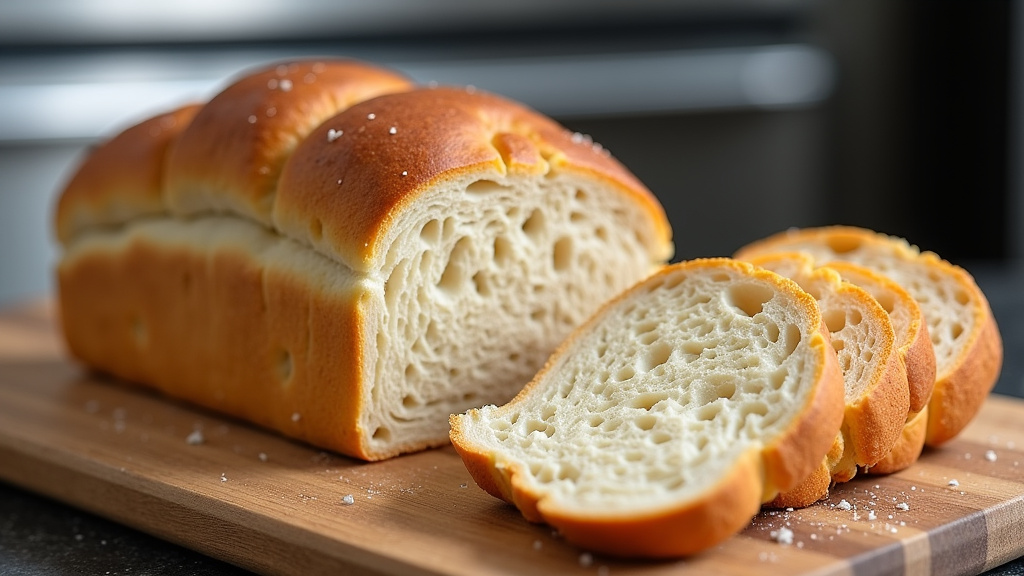
The internal texture of machine-made bread is usually very fine and uniform. Because the machine controls the kneading and rising times precisely, the gluten network can develop very evenly. This often results in a tender crumb, though some find it can be a bit dense depending on the recipe and machine settings. It’s a reliable texture that many people enjoy for everyday eating.
The Role of the Kneading Paddle
A unique aspect of bread machines is the kneading paddle. This small but mighty tool is responsible for mixing and developing the dough’s gluten structure. It spins inside the pan throughout the kneading cycles. Most machines have a single paddle, though some might have two. After baking, this paddle is usually left inside the bread.
You’ll need to remove it before slicing, which can leave a small hole at the bottom of your loaf. While it’s a minor inconvenience, it’s a tell-tale sign of bread machine baking. Some people find this little hole a charming quirk, while others prefer to fill it with butter before eating.
Oven Baking: The Artisan Approach and Control
Oven baking offers a more traditional and hands-on method of bread making. It involves preparing your dough, shaping it, allowing it to proof, and then baking it in a hot oven. This process gives you a lot more control over the final outcome, from the crust to the crumb and the overall appearance.
Many bakers find the ritual of oven baking to be incredibly rewarding. The feeling of shaping the dough, watching it rise, and smelling your kitchen fill with the aroma of freshly baked bread is a sensory experience that machines can’t replicate. It’s an art form that has been perfected over centuries.
Achieving That Perfect Crust in the Oven
Oven baking excels at producing a superior crust. The high heat of a well-preheated oven, especially when combined with techniques like using a Dutch oven or baking stone, creates a wonderfully crisp and deeply caramelized crust. This is where the magic happens for many bread enthusiasts.
The intense heat and the ability to control humidity (by adding steam, for instance) allows for better oven spring and a more developed crust. This leads to that satisfying crunch when you bite into a slice of oven-baked bread. Many guidelines for good bread making emphasize the importance of a hot oven for achieving this crust (King Arthur Baking).
The color of the crust can also be much richer and more varied. You can achieve beautiful golden-brown hues or a deep mahogany finish, depending on the bake time and temperature. This visual appeal is a big part of why people love artisan-style bread.
Shape and Texture: Variety is the Spice of Life
When you bake bread in the oven, you have complete freedom over the loaf’s shape. You can create round boules, oblong batards, braided challah, or even individual rolls. This versatility allows for creativity and a more visually appealing presentation. The shape can also subtly affect the crumb and crust ratio.
The internal texture can vary widely with oven baking. Depending on the type of flour, hydration levels, and kneading technique, you can achieve everything from a very open, airy crumb to a denser, chewier interior. This level of customization is a major draw for bakers who want to fine-tune their bread to their exact preferences.
Understanding Oven Spring
Oven spring refers to the rapid rise a loaf of bread experiences when first placed in a hot oven. This puffiness contributes significantly to the bread’s final volume and texture. Proper oven spring, often aided by adequate proofing and a hot oven, results in a lighter, airier loaf with a more open crumb structure.
Factors like dough temperature, gluten development, and the presence of steam can all influence oven spring. Achieving consistent oven spring is a hallmark of successful oven baking and is something bakers strive for. It’s a delightful moment when you see your loaf dramatically expand in the oven.
Comparing the Two Methods: A Quick Glance
To help you visualize the differences, let’s lay them out side-by-side. Think of this as a quick reference guide to help you decide which method might be best for your next baking adventure.
| Feature | Bread Machine Loaf | Oven-Baked Loaf |
|---|---|---|
| Crust Texture | Softer, chewier, thinner | Crispier, crunchier, thicker |
| Crust Color | Lighter, more uniform | Deeper brown, more varied |
| Loaf Shape | Uniform rectangular | Variable (round, oval, braided, etc.) |
| Internal Texture | Fine, uniform, sometimes dense | Variable (open, airy, or dense) |
| Effort Level | Very low (add ingredients and press start) | Moderate to high (kneading, shaping, proofing) |
| Control Over Outcome | Limited | High |
| Baking Time | Preset cycles (often 3-4 hours) | Variable (depends on loaf size and temp) |
Which Method is Right for You?
Choosing between a bread machine and oven baking really depends on your priorities and lifestyle. Both methods will result in delicious, homemade bread that’s often superior to store-bought options.
Consider a Bread Machine If…
You crave convenience and want to minimize your time in the kitchen. If you have a busy schedule or are new to baking and want a foolproof way to make bread, a machine is an excellent choice. You can wake up to the smell of fresh bread without lifting a finger.
- You want minimal hands-on time.
- You prefer consistent results with less effort.
- You need bread for sandwiches and everyday use.
- You appreciate the set-it-and-forget-it nature of appliances.
Opt for Oven Baking If…
You enjoy the process of baking and want more control over the final product. If you love the idea of creating artisan loaves, experimenting with different recipes, and achieving a perfect crust, then oven baking is likely for you. It’s about the craft and the sensory experience.
- You want to achieve a crispy, artisanal crust.
- You enjoy the hands-on process of baking.
- You want to experiment with different shapes and textures.
- You are looking for a more traditional baking experience.
Ultimately, both methods have their place in a home kitchen. Many dedicated bakers even use both! They might use a bread machine for a quick weeknight loaf and reserve oven baking for special occasions or when they have more time to dedicate to the craft. We found that understanding these differences helps you set realistic expectations and choose the method that best fits your baking goals.
Conclusion
You’ve learned that the key differences between bread machine loaves and oven-baked loaves boil down to crust texture and loaf shape. Machines offer effortless convenience with softer crusts and uniform rectangles, perfect for busy mornings. Oven baking, on the other hand, gives you the artisan touch, yielding crispy crusts and a variety of shapes, along with greater control over the final outcome. Both paths lead to delicious homemade bread.
Now that you know the distinctions, consider your own baking style and needs. Are you craving convenience for your daily sandwiches, or are you looking to hone your skills and create a show-stopping crust? Your next baking adventure awaits!
Frequently Asked Questions
Can I get a truly crispy crust from a bread machine?
While bread machines typically produce softer crusts, some models offer a “crusty” setting or allow for a final bake cycle in a conventional oven. This can help achieve a slightly crispier exterior, though it may not match the crunch of a fully oven-baked loaf. It’s a compromise for the convenience offered.
Will oven-baked bread always have a better flavor?
Flavor is subjective and depends heavily on the recipe and ingredients used. While oven baking can contribute to a richer crust flavor through caramelization, a well-made bread machine loaf can still be incredibly delicious. Both methods allow for great flavor development.
Is it hard to remove the kneading paddle from a bread machine loaf?
Removing the kneading paddle can sometimes be tricky, as it can get baked into the dough. Many people use a small tool or a butter knife to gently pry it out after baking. Some loaves may have a small hole where the paddle was, which is a common characteristic of machine-baked bread.
Can I use the same recipe for both methods?
You can often adapt recipes, but it’s not always a direct swap. Bread machine recipes are formulated for the specific kneading and baking cycles of the machine. You might need to adjust liquid or flour amounts for oven baking, especially if you’re aiming for a different texture or crust. It’s best to use recipes specifically designed for each method if possible.
Which method is faster for getting fresh bread?
Bread machines are generally faster for getting a finished loaf from start to finish within a single appliance. While they have preset cycles often around 3-4 hours, they are almost entirely hands-off. Oven baking involves multiple steps and can take longer overall, especially if you factor in rising times and preparation, but your active involvement is usually shorter.
