
Can You Use Almond Flour in a Bread Machine?

Yes, you can use almond flour in a bread machine, but with a few important adjustments. Almond flour behaves differently than traditional wheat flour. You’ll likely need to adjust liquid levels and potentially add binders for the best results.
Many home bakers are turning to gluten-free options. Almond flour is a popular choice for its nutty flavor and lower carb content. Getting it right in a bread machine means understanding its unique properties. It’s all about finding the right balance for your machine and recipe. Many home bakers are turning to gluten-free options, and our guide explains how to make them in a bread machine.
- Almond flour works in bread machines, but needs tweaks.
- It’s a great gluten-free alternative to wheat flour.
- Liquid amounts and binders are key for success.
- Expect a denser, richer loaf compared to wheat bread.
- Experimentation is often necessary.
Ready to give it a try? Let’s walk through exactly how to adapt your favorite bread machine recipes for delicious almond flour loaves.
Making Bread Machine Loaves with Almond Flour
Can you swap almond flour for regular flour in your bread machine? Yes, you absolutely can, but it’s not a simple 1:1 substitution. Almond flour behaves quite differently. It absorbs less liquid and doesn’t have the gluten structure that wheat flour does. This means your almond flour bread will be denser and richer. You’ll need to make some adjustments for the best results.
Understanding Almond Flour’s Properties
Almond flour is made from ground almonds. It’s naturally gluten-free. This makes it a popular choice for people with celiac disease or gluten sensitivities. It’s also lower in carbohydrates than wheat flour. This appeals to those following keto or low-carb diets. Almond flour is also lower in carbohydrates than wheat flour, appealing to those following keto or low-carb diets, and this guide covers keto bread in a bread machine.
However, the lack of gluten is the main challenge. Gluten gives wheat bread its structure and elasticity. It traps gases produced by yeast, allowing the bread to rise. Almond flour can’t do this on its own. This is why you need to think about how to create that structure.
The fat content in almond flour also plays a role. Almonds are rich in oils. This can affect the texture and moisture of your baked goods. Your almond flour bread will likely be moister. It might also have a slightly coarser crumb than you’re used to.
Almond Flour vs. Wheat Flour in Baking
Let’s break down the key differences you’ll notice:
- Gluten: Wheat flour has gluten; almond flour does not.
- Absorption: Almond flour absorbs less liquid than wheat flour.
- Structure: Gluten provides structure and chewiness in wheat bread.
- Fat Content: Almond flour is higher in fat, leading to a richer texture.
- Carbohydrates: Almond flour is lower in carbs.
- Flavor: Almond flour adds a distinct nutty flavor.
Essential Adjustments for Almond Flour Bread Machine Recipes
Because almond flour acts so differently, you can’t just pour it into your bread machine and expect perfect results. Several key adjustments are necessary. We found that focusing on liquid content and adding binders makes the biggest difference.
Liquid Levels: The Most Critical Factor
This is where most people run into trouble. Almond flour simply doesn’t soak up liquid the way wheat flour does. If you use the same amount of liquid as a wheat bread recipe, you’ll end up with a very wet, gummy dough. Some research suggests almond flour can absorb up to 30% less liquid (NCBI).
You’ll need to reduce the amount of liquid significantly. Start by cutting the liquid by about 25-30% from your original recipe. You can always add a tiny bit more if the dough seems too dry. The goal is a dough that forms a cohesive ball. It shouldn’t be sticky or crumbly.
Pay close attention to the dough during the initial mixing cycle. Most bread machines have a window where you can observe this. If it’s too wet and clinging to the sides, it’s too wet. If it’s too dry and won’t come together, it’s too dry. You might need to add a tablespoon of liquid or flour at a time.
Adding Binders for Structure
Since almond flour lacks gluten, you need something to hold your loaf together. This is where binders come in. They mimic the binding properties of gluten and help create a better texture.
Common binders used in gluten-free baking include:
- Xanthan Gum: This is a popular choice. A little goes a long way. Use about 1 teaspoon per cup of almond flour. It helps with elasticity and prevents crumbling.
- Psyllium Husk: Another excellent binder. It absorbs a lot of liquid and creates a gel-like substance. This adds structure and moisture. Use about 1-2 tablespoons per cup of almond flour.
- Eggs: Eggs are natural binders and also add richness and moisture. Most almond flour bread recipes will include eggs. They also help with leavening.
We found that using a combination of eggs and either xanthan gum or psyllium husk works best. The exact amount can vary depending on the recipe and your preferred texture. Start with the lower end of recommendations and adjust as needed for future bakes.
Sweeteners and Leavening Agents
Almond flour bread tends to be less sweet than traditional bread. You might want to increase the amount of sweetener slightly. Sugar helps with browning, so this can be beneficial. However, if you’re on a low-carb diet, you might use sugar substitutes.
Yeast will still work, but it might not produce as dramatic a rise as with wheat flour. Ensure your yeast is fresh. You may need to let the dough rise for a bit longer, even within the bread machine cycle. Some recipes might benefit from a touch more yeast. Be careful not to add too much, as it can affect the flavor.
Tips for Success with Your Almond Flour Loaf
Getting that perfect almond flour loaf in your bread machine takes a little practice. Don’t get discouraged if your first attempt isn’t picture-perfect. We’ve gathered some tips that can help smooth the process.
Choosing the Right Almond Flour
There are a few types of almond flour available. For bread baking, super-fine almond flour is usually best. It has a finer texture and will produce a smoother crumb. Blanched almonds (with skins removed) are typically used for super-fine flour. Avoid almond meal, which is coarser and made with unblanched almonds.
Oven Baking vs. Bread Machine
While you *can* bake almond flour bread in a machine, many people find they get superior results by finishing it in a conventional oven. The heat and airflow in an oven can help create a better crust. Some bread machines have a bake-only cycle that might suffice.
If you’re baking entirely in the machine, consider using a darker crust setting. This can help compensate for the lack of browning that gluten provides. You might also find that the loaf doesn’t rise as high as a wheat bread. This is normal.
Cooling is Key
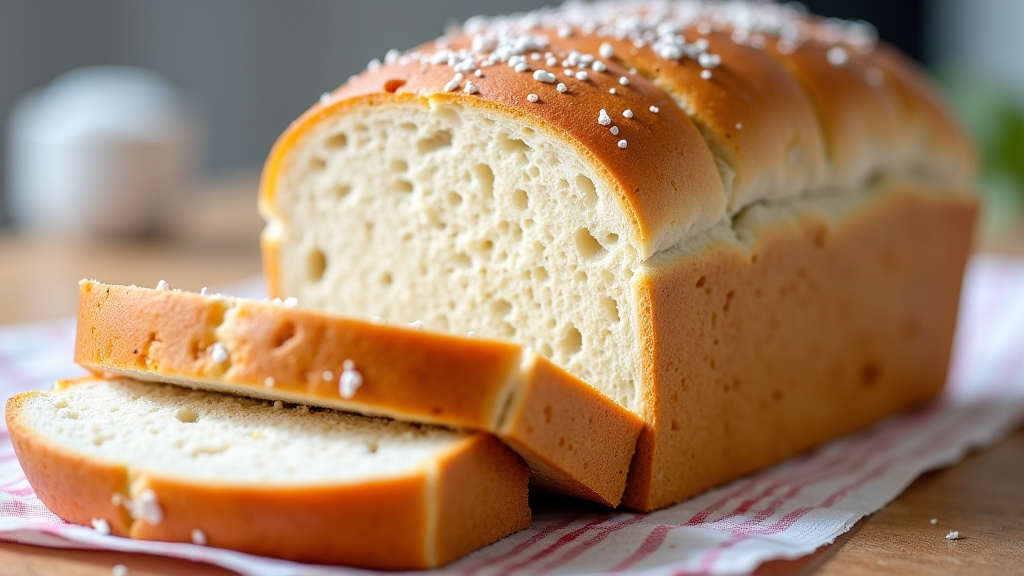
This is a common baking tip, but it’s extra important for gluten-free breads. Allow your almond flour loaf to cool completely on a wire rack before slicing. Gluten-free breads, especially those made with almond flour, are fragile when hot. They can easily crumble if cut too soon. Patience here pays off!
Storage of Your Almond Flour Loaf
Almond flour bread tends to go stale faster than wheat bread. Its higher fat content can also make it prone to mold. Store your loaf in an airtight container at room temperature for a day or two. For longer storage, slice the bread and freeze it.
You can then toast slices directly from the freezer. This is a great way to enjoy your homemade bread without waste. Many experts recommend freezing it within 24-48 hours of baking (Mayo Clinic).
Troubleshooting Common Almond Flour Bread Machine Issues
What if your loaf comes out a bit off? Let’s look at some common problems and how to fix them.
Gummy or Dense Loaf?
This usually means there was too much liquid or not enough binder. Try reducing your liquid by another tablespoon next time. Also, ensure you’re using the correct amount of xanthan gum or psyllium husk. Eggs are also crucial for structure.
Crumbly or Dry Loaf?
This can happen if you didn’t use enough liquid or binder. Almond flour can be thirsty, so sometimes a little more liquid is needed. Eggs also add moisture, so ensure you have enough. Psyllium husk can help retain moisture.
Poor Rise?
Ensure your yeast is fresh and active. Sometimes, a warmer environment can help the yeast work better. You might also consider adding a small amount of extra yeast, but be cautious with the flavor. The density of almond flour itself contributes to a less lofty loaf compared to wheat bread.
A Quick Almond Flour Bread Machine Checklist
Before you start your next almond flour bake, run through this quick checklist:
- Use super-fine blanched almond flour.
- Reduce liquid by about 25-30%.
- Include a binder like xanthan gum or psyllium husk.
- Ensure your yeast is fresh and active.
- Consider a darker crust setting on your machine.
- Let the bread cool completely before slicing.
Conclusion
You’ve learned that using almond flour in your bread machine is definitely achievable! It requires understanding its unique properties, especially its lower liquid absorption and lack of gluten. By reducing liquids, adding binders like xanthan gum or psyllium husk, and potentially tweaking sweeteners and yeast, you can create delicious, denser loaves. Remember that super-fine blanched almond flour, complete cooling, and proper storage will also make a big difference. Now, you’re ready to confidently experiment and bake your first almond flour bread machine loaf!
Frequently Asked Questions
What’s the biggest difference when using almond flour in a bread machine?
The main difference is almond flour’s lack of gluten. This means your dough won’t have the same elasticity as wheat dough. You’ll need to add binders to help create structure and adjust liquid levels significantly, as almond flour absorbs much less moisture.
Can I just swap almond flour for wheat flour 1:1 in my bread machine?
No, it’s not a direct swap. You’ll need to adjust liquid amounts, typically reducing them by 25-30%. You also must add binders like xanthan gum or psyllium husk, and potentially eggs, to compensate for the missing gluten structure.
Will my almond flour bread rise as much as wheat bread in a machine?
Generally, no. Because almond flour lacks gluten, it can’t trap gases as effectively, leading to a less dramatic rise. The loaf will naturally be denser and more compact compared to traditional wheat bread.
What type of almond flour is best for bread machines?
For bread machine baking, super-fine blanched almond flour is usually recommended. Its finer texture helps create a smoother crumb in your finished loaf. Avoid coarser almond meal, which can result in a more textured bread.
How should I store my homemade almond flour bread?
Almond flour bread can stale or mold faster than wheat bread. Store it in an airtight container at room temperature for a day or two. For longer storage, slicing and freezing the loaf is best. You can toast slices directly from the freezer.
