Can You Make Keto Bread in a Bread Machine?
On this page (3 sections)
Yes, you absolutely can make keto bread in a bread machine, but it requires some adjustments. You’ll need to use special low-carb ingredients that behave differently from traditional flour. It’s not as simple as swapping out wheat flour for almond flour directly.
Regular bread machines are designed for gluten-rich flours. Keto-friendly flours, like almond or coconut flour, lack gluten, which provides structure. This means your keto bread will have a different texture and might need some help from binders. We found that success often depends on using the right recipe and understanding these differences.
TL;DR:
- You can make keto bread in a bread machine.
- Requires specific low-carb flours and ingredients.
- Texture will be different from regular bread.
- Binders like xanthan gum are often necessary.
- The “dough” cycle might not work as expected.
Ready to bake some delicious keto bread? Let’s explore everything you need to know to get started and avoid common pitfalls.
Making Keto Bread with Your Bread Machine
You can definitely use your bread machine to make delicious keto bread. It’s a convenient way to automate some of the baking process. For machine recommendations, see our guide to keto bread machines. Just remember, it’s not exactly like making traditional wheat bread.
We found that adapting your expectations and understanding the ingredient differences is key. Your machine might need some help, or you might need to adjust cycles.
Understanding Keto-Friendly Flours
The biggest change when making keto bread is the flour. Traditional bread relies on gluten for its structure and chewiness. Keto flours don’t have this gluten, so they behave very differently.
This lack of gluten means your dough won’t rise in the same way. It will also have a different texture. Don’t expect the airy lightness of a baguette.
Almond Flour vs. Coconut Flour
These are the two most common keto flour alternatives. They both work, but they are not interchangeable.
- Almond flour is made from finely ground almonds. It’s light in texture and has a mild flavor. You’ll often find it used in larger quantities because it’s less absorbent.
- Coconut flour is highly absorbent. You need much less of it than almond flour. It has a distinct coconut flavor, which some people love and others prefer to avoid in savory bread.
We found that many successful keto bread recipes use a combination of these flours. This helps balance texture and absorbency.
Essential Binders and Leavening Agents
Since keto flours lack gluten, you need to add other ingredients to give your bread structure and help it rise. These are your keto bread’s unsung heroes.
Without them, your bread might end up too dense or crumbly. Think of them as the glue holding your loaf together.
The Role of Xanthan Gum
Xanthan gum is a popular binder in gluten-free and keto baking. It mimics the elasticity of gluten. A small amount makes a big difference.
It helps trap gas produced by leavening, leading to a better rise. We found that most keto bread machine recipes include it.
Leavening Beyond Yeast
Traditional bread uses yeast, which feeds on sugar to produce carbon dioxide and make the bread rise. Since keto bread has very little sugar, yeast doesn’t work as effectively. For options that keep a low-carb loaf keto-friendly, compare sugar substitutes for keto bread.
Instead, you’ll often use baking powder or a combination of baking soda and an acid (like apple cider vinegar). These create gas bubbles chemically, providing lift.
Bread Machine Cycle Challenges and Solutions
Your bread machine has preset cycles designed for wheat flour. These cycles involve specific kneading, rising, and baking times. Keto doughs don’t always fit this mold.
You’ll need to be flexible and sometimes step in to help your machine. Don’t be afraid to experiment a little.
Kneading Keto Dough
Keto dough isn’t a traditional “dough.” It’s often more like a thick batter or a very soft cookie dough. It won’t form a smooth, elastic ball like wheat dough.
The kneading cycle in your bread machine might seem excessive or insufficient. We found it’s usually best to let the machine do its mixing, but don’t expect it to look like traditional dough.
- If the machine struggles, you might need to scrape down the sides with a spatula.
- Ensure all ingredients are well combined.
Rising and Baking Adjustments
The “rise” cycle of a bread machine is meant for yeast. Since keto bread often uses chemical leavening, an extended rise isn’t always necessary.
Many recipes call for using the “quick bread” or “cake” cycle. These cycles typically mix and then bake without a long proofing time. Some people even use the “dough” cycle just for mixing, then bake in a conventional oven (Cleveland Clinic).
If you use a standard bread cycle, you might notice your bread doesn’t rise as much during the rise phases. That’s normal for keto bread.
Finding the Right Keto Bread Machine Recipe
This is arguably the most critical step. You can’t just adapt a regular bread machine recipe by swapping out flour. You need a recipe specifically formulated for keto and for bread machines. If you prefer a ready-made option, compare keto bread mixes for bread machines.
Look for recipes that specify ingredient amounts precisely. Pay attention to reviews and success stories.
Here’s a checklist for choosing a good recipe:
- Does it list almond or coconut flour, or a combination?
- Does it include a binder like xanthan gum?
- Does it use baking powder or soda for leavening?
- Does it suggest a specific bread machine cycle (e.g., quick bread, cake)?
- Are the instructions clear and detailed?
- Do people report good results for bread machine use?
Tips for Success with Your Keto Bread Machine Loaf
Even with the right recipe, a few extra tips can make your keto bread machine experience much smoother. Think of these as little nudges for better results.
Ingredient Temperature Matters
For traditional bread, water temperature is crucial for yeast. For keto bread, room temperature ingredients often blend better. Cold ingredients can make your batter too stiff.
We found that letting eggs and dairy come to room temperature improves mixing.
Accurate Measurements are Key
Baking is a science, and keto baking is even more so. Don’t eyeball ingredients, especially the flours and binders.
Use proper measuring cups and spoons. For flours, we found weighing them with a kitchen scale provides the most consistent results (NIH).
Don’t Open the Lid!
Just like with a regular oven, opening your bread machine lid during the baking cycle can cause your bread to collapse. The sudden temperature change can deflate those precious air bubbles.
Resist the urge to peek until the very end of the cycle. Trust the machine to do its job.
| Comparison Factor | Traditional Bread | Keto Bread Machine |
|---|---|---|
| Main Flour | Wheat (gluten) | Almond, Coconut (gluten-free) |
| Leavening | Yeast | Baking Powder/Soda |
| Dough Texture | Elastic, rises significantly | Thick batter, dense |
| Requires Binder? | No | Yes (e.g., xanthan gum) |
| Bread Machine Cycle | Standard “white bread” | “Quick bread,” “cake,” or “dough” cycle |
| Expected Texture | Light, airy, chewy | Denser, moister, often crumbly |
What to Expect from Your Keto Bread
Your keto bread from a bread machine won’t be a replica of traditional wheat bread. It will have its own unique characteristics. Embrace them!
It’s important to set realistic expectations to avoid disappointment. This is still a delicious and convenient way to enjoy bread on a keto diet.
Texture and Appearance
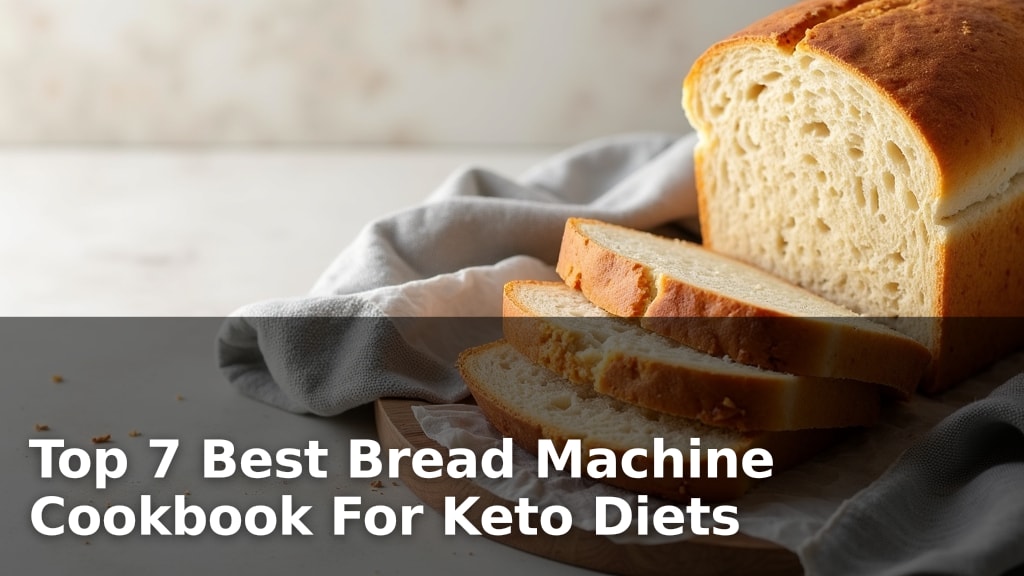
Expect a denser, often moister crumb. It might not have the big, airy holes you see in sourdough. The crust might also be softer than traditional bread.
It might not rise as high in the machine, either. This is all perfectly normal for gluten-free, low-carb baking.
Flavor Profile
The flavor will depend heavily on the flours you use. Almond flour imparts a very mild, slightly nutty taste. Coconut flour will lend a noticeable coconut flavor.
Savory additions like herbs, garlic powder, or cheese can enhance the flavor. Don’t be afraid to experiment once you’ve mastered a basic recipe.
Addressing Common Keto Bread Machine Issues
Sometimes things don’t go perfectly the first time. That’s okay! Baking, especially keto baking, involves a learning curve. We’ve gathered some common issues and how to troubleshoot them.
Bread is Too Crumbly
If your bread falls apart easily, it often means there isn’t enough binder or moisture. Double-check your xanthan gum amount. You might also need a little more liquid.
Another cause could be too much flour. Keto flours, especially coconut, are very absorbent. Small changes make a big difference.
Bread is Too Dense or Gummy
This can happen if there’s not enough leavening or if the bread is undercooked. Ensure your baking powder/soda is fresh and correctly measured.
A gummy texture can also point to too much liquid. Try reducing the liquid slightly next time. Or, it could be a sign it needed a few more minutes in the machine.
Top Sinks in the Middle
A sunken top often means too much moisture or not enough structure. Sometimes, too much leavening can cause a quick rise followed by a collapse.
Review your liquid and leavening agent measurements. You might need to adjust them slightly down.
Conclusion
You’ve learned that making keto bread in a bread machine is totally possible, but it’s a different game than traditional baking. You need specific low-carb flours and essential binders to get the right texture. Remember, your bread machine might need a little extra help, and your expectations need to adapt.
Focus on finding a good, well-tested keto bread machine recipe, measure accurately, and don’t peek during baking. With these tips, you’re ready to bake delicious, convenient keto bread right in your own kitchen.
Frequently Asked Questions
Can I use any bread machine cycle for keto bread?
No, not typically. Standard cycles are for gluten-rich flours. We found that “quick bread” or “cake” cycles work best for keto bread, as they mix and bake without long proofing times. You might also use the “dough” cycle just for mixing.
Why does my keto bread not rise as much as regular bread?
Keto flours lack gluten, which is what gives traditional bread its elasticity and height. Keto bread often relies on chemical leavening like baking powder, resulting in a denser loaf. Don’t expect the same airy rise you’d get from wheat bread.
Do I need to add vital wheat gluten to keto bread in a bread machine?
No, vital wheat gluten is not keto-friendly. The goal of keto baking is to avoid high-carb ingredients like wheat. Instead, use binders like xanthan gum to provide structure and improve texture in your low-carb bread.
How long does keto bread from a bread machine usually last?
Keto bread tends to be moister than traditional bread and usually lasts 3-5 days at room temperature. For longer storage, we recommend slicing and freezing your loaf. This helps maintain freshness and makes it easy to grab a slice when you need it.
Can I substitute different keto flours in a bread machine recipe?
We do not recommend direct substitutions of keto flours. Almond flour and coconut flour behave very differently. Coconut flour is much more absorbent, requiring significantly less. Always follow a recipe specifically designed for the type and amount of keto flour it calls for.