
Can You Make Cake In A Bread Maker?
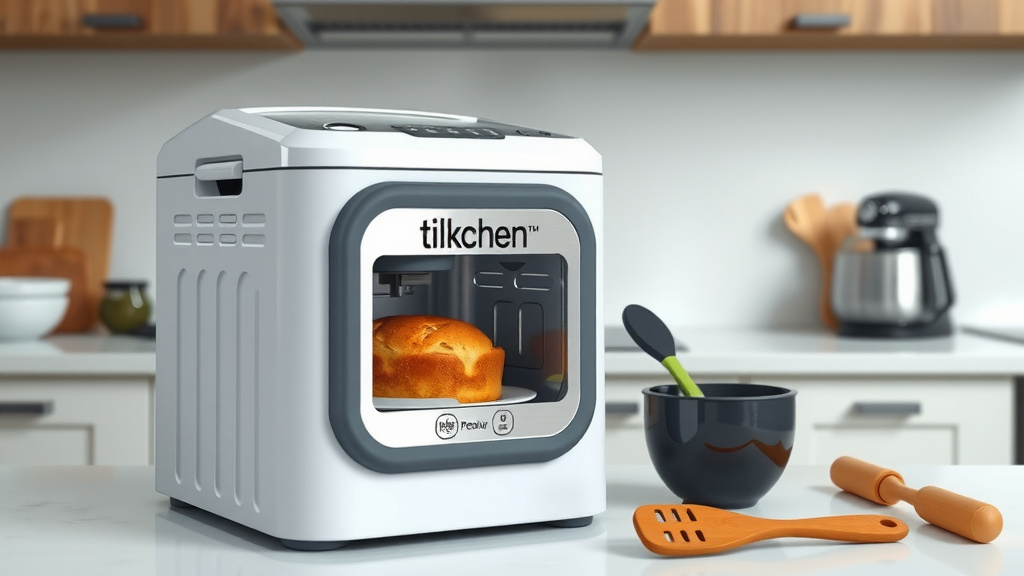
Yes, you absolutely can make cake in a bread maker, though the result might not be what you expect from a traditional oven. Many bread machines have a “cake” or “sweet bread” cycle designed for this purpose, blending ingredients and baking the batter for you.
While a bread maker simplifies the process, expect a denser texture similar to a pound cake or quick bread, not the light, airy sponge of a conventional cake.
TL;DR: Making Cake in a Bread Maker
- Bread makers can indeed bake cakes, especially those resembling quick breads or pound cakes.
- Look for a “Cake” or “Sweet Bread” cycle on your machine.
- The texture will likely be denser than oven-baked cake due to the mixing and baking method.
- It is a convenient option for simple cakes with minimal effort.
- Always use recipes specifically designed or adapted for a bread machine.
Can You Make Cake In A Bread Maker?
Yes, you certainly can make cake in a bread maker, and it can be a surprisingly convenient way to enjoy a homemade treat!
The Surprise of Bread Machine Cake
When you think of cake, you probably imagine a fluffy, airy dessert from an oven. A bread maker offers a different, yet still delicious, experience. It’s more like a dense quick bread or a pound cake, perfect for a hearty slice.
Understanding Your Bread Maker’s Cake Cycle
Many modern bread machines come equipped with a specific “Cake” or “Sweet Bread” cycle. This setting often skips the vigorous kneading phase, which is vital for bread but not for tender cakes. Instead, it focuses on gentle mixing and baking.
How the “Cake” Cycle Works
On this cycle, your bread maker will mix the ingredients, allow for a brief resting period, and then bake the cake. It streamlines the whole process, cutting down on dirty dishes and active time in the kitchen (NIH).
What Kind of Cake Can You Make?
The best cakes for a bread maker are typically those with a denser crumb. Think of banana bread, lemon pound cake, or even a simple chocolate cake. These types of cakes hold up well to the machine’s mixing and baking style.
Many experts say that cakes with a lot of leavening (like baking soda or powder) and heavier ingredients tend to do better. Light, delicate sponge cakes might not achieve their optimal texture in a bread machine.
Texture Differences: Oven vs. Bread Maker
Let’s be real: a bread machine cake will have a different texture than one baked in a conventional oven. The compact baking chamber and unique heating elements lead to a denser, moister result. It’s not necessarily worse, just different.
Why the Density?
We found that the dough hook’s mixing action, even on a gentle cycle, can sometimes overmix cake batter compared to hand mixing. This can develop more gluten than desired for a light cake, contributing to the denser texture.
Adapting Cake Recipes for Your Bread Maker
Using a bread machine for cake means you cannot just dump your favorite oven cake recipe in. You need recipes specifically designed for these machines or adapt existing ones. The liquid-to-dry ingredient ratio is often different.
Key Adaptation Tips
- Reduce liquids slightly, as bread makers retain more moisture.
- Use a recipe that calls for baking powder or soda, not yeast.
- Place wet ingredients first, then dry ones, creating a barrier for the leavening.
- Add delicate ingredients like chocolate chips or nuts during the “add-in” beep.
The Ease and Convenience Factor
The main reason people turn to a bread maker for cake is convenience. You literally add ingredients, press a button, and wait. It frees up your oven for other dishes, which is particularly handy around holidays (Mayo Clinic).
Imagine just tossing ingredients in and letting your machine do the work while you watch a movie. That’s the appeal of bread machine baking!
Perfect for Busy Days
If you’re looking for a quick, homemade treat without the fuss, a bread maker cake is a solid choice. It’s a “set it and forget it” solution for your sweet cravings.
Things to Watch Out For
While easy, there are a couple of considerations. The cake will be loaf-shaped, so don’t expect a round layer cake. Also, the crust can sometimes be thicker or chewier than an oven-baked cake, which some people enjoy.
We found that sometimes the paddle can stick in the finished cake. Simply remove it carefully after baking and cool. It is not a big issue, just a small imperfection.
Bread Maker Cake vs. Oven Cake: A Quick Comparison
Let’s look at the trade-offs. Both methods have their strengths, depending on what you value most in your baking experience.
| Feature | Bread Maker Cake | Oven Cake |
|---|---|---|
| Effort | Very Low (Set & Forget) | Moderate (Mixing, Monitoring) |
| Texture | Denser, Moister, Pound Cake-like | Lighter, Airier, Varied |
| Shape | Loaf (Bread Pan Shape) | Round, Square, Bundt, etc. |
| Versatility | Limited to Denser Cakes | Wide Range of Cake Types |
| Crust | Often Thicker/Chewier | Varied, Often Tender |
Maximizing Your Bread Maker Cake Success
To get the best possible cake from your bread machine, follow some simple guidelines. Use fresh ingredients, measure accurately, and make sure your machine is clean.
A Quick Checklist for Cake Making
- Use a bread machine specific cake recipe.
- Ensure all ingredients are at room temperature.
- Measure liquids and dry ingredients precisely.
- Add ingredients in the order specified by your machine or recipe.
- Remove the cake promptly after baking to prevent over-drying.
Is It Worth It? Your Personal Choice
Ultimately, whether making cake in a bread maker is “worth it” depends on what you’re looking for. If it’s pure convenience and a dense, moist loaf cake, then yes, absolutely. If you’re after a delicate, fluffy layer cake, stick to your oven.
Consider it another tool in your baking arsenal, ready for those moments when you want a homemade treat with minimal fuss.
Conclusion
Making cake in a bread maker is not only possible but also a fantastic option for convenience and specific cake types. You’ll get a delightful, dense, and moist loaf, perfect for snacking or dessert. While it won’t replicate a light, airy oven cake, it offers a distinct charm and remarkable ease. So go ahead, dust off your bread maker and give cake a try!
FAQs About Making Cake In A Bread Maker
Do all bread makers have a “cake” setting?
No, not all bread makers include a specific “cake” or “sweet bread” setting. Older or more basic models might lack this feature. Always check your machine’s manual to see available cycles before attempting a cake.
Can I use regular cake mix in a bread machine?
While some people adapt regular cake mixes for bread machines, it’s generally not recommended without specific modifications. The liquid-to-dry ratio and leavening agents in standard mixes are formulated for oven baking and may not yield optimal results in a bread machine.
What’s the best way to clean my bread maker after baking cake?
After your cake cools and you remove it, allow the pan to soak in warm, soapy water for a few minutes. This helps loosen any stuck batter or crust. Use a non-abrasive sponge to clean, and ensure the paddle is thoroughly cleaned as well. Avoid submerging the entire machine or using harsh chemicals (CDC).
Will the cake taste metallic if baked in a bread machine?
No, the cake should not taste metallic. Bread maker pans are typically made from non-stick materials that do not impart flavor to your baked goods. If you notice an unusual taste, it might be due to a specific ingredient or your machine needing a deeper clean.
Can I make gluten-free cakes in a bread maker?
Yes, you can absolutely make gluten-free cakes in a bread maker. Many gluten-free quick bread and cake recipes are well-suited for the bread machine’s “cake” cycle. Just ensure your recipe is specifically designed for gluten-free baking and, ideally, for a bread machine to get the best texture.
