Can You Make Butter In A Bread Maker?
Yes, you absolutely can make butter in a bread maker! While it might seem unconventional, your bread machine’s kneading cycle can efficiently churn heavy cream into fresh, homemade butter.
It’s a surprisingly straightforward process that leverages the machine’s motor to agitate the cream until it separates into solid butter and liquid buttermilk.
- Making butter in a bread maker is possible, using the kneading cycle, not baking.
- You primarily need heavy cream, a bread machine, and a little patience.
- The process involves churning the cream until the fat solids separate from the buttermilk.
- Homemade butter offers fresh flavor and control over ingredients, making it a rewarding kitchen project.
Can You Make Butter In A Bread Maker?
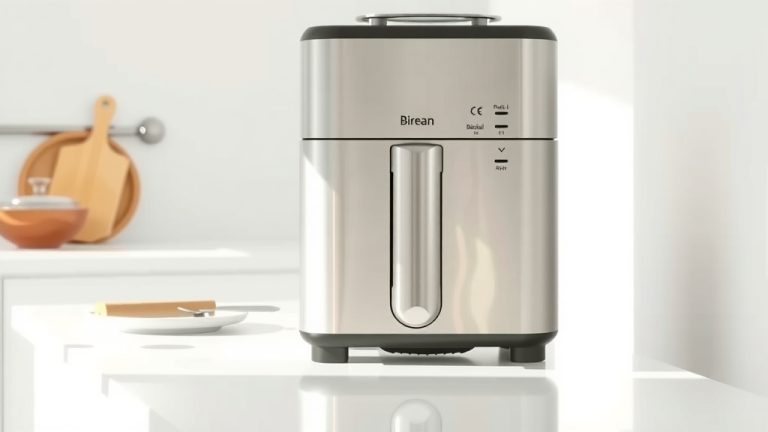
You might be surprised to learn that yes, you can definitely make butter in a bread maker! This handy appliance isn’t just for bread; its powerful motor and kneading paddle are perfectly suited for churning cream into butter.
The Surprising Secret: It’s All About Churning
You see, making butter is essentially a process of churning. This means agitating heavy cream until the fat molecules clump together, separating from the liquid buttermilk. A bread maker’s kneading cycle does exactly this – it mixes and kneads, providing the necessary agitation.
We found that many bread machine owners enjoy experimenting with their appliances beyond traditional baking (Cook’s Illustrated).
What You’ll Need to Get Started
Ready to try? You’ll need just a few simple items. The most important ingredient is high-quality heavy cream. You also need your bread maker, a fine-mesh strainer, and a bowl for collecting buttermilk.
Having some ice-cold water on hand is also helpful for rinsing your freshly made butter. It helps extend the shelf life.
Choosing Your Heavy Cream Wisely
For the best results, always choose heavy cream with at least 36% milk fat. Don’t grab half-and-half or light cream; they simply won’t have enough fat to properly churn into butter.
Some experts say that organic, grass-fed cream can yield butter with a richer color and flavor. What a treat!
Step-by-Step Guide: Butter in Your Bread Maker
Making butter in your bread maker is simpler than you might imagine. Here’s a quick rundown to guide you:
- **Chill Your Cream:** Ensure your heavy cream is very cold. This helps the fat molecules separate more efficiently.
- **Add to Bread Machine:** Pour the cold heavy cream directly into your bread maker’s pan. Insert the kneading paddle.
- **Select the Right Cycle:** Choose a cycle that provides consistent agitation without heat. The “Dough” cycle or sometimes even a “Jam” cycle works well for churning, typically running for about 15-20 minutes.
- **Watch for Separation:** As the machine runs, you will see the cream thicken, then turn into whipped cream, and finally break into solid butter chunks and liquid buttermilk.
- **Drain the Buttermilk:** Once the butter has formed, carefully remove the butter chunks. Pour the liquid buttermilk into a separate container using a fine-mesh strainer.
- **Wash the Butter:** Rinse the butter under ice-cold water, squeezing out any remaining buttermilk. This step is crucial for flavor and preventing spoilage.
- **Season and Store:** Add salt to taste, if desired, and then store your fresh butter in an airtight container in the refrigerator.
The Magic of the “Dough” Cycle
Why the “Dough” cycle? This cycle typically involves a period of mixing and kneading without activating the heating element. This sustained agitation is perfect for encouraging the fat globules in the cream to collide and fuse together.
You don’t want any heat, as that would melt the butterfat, hindering the separation process. Many bread makers offer a dough-only option, making it ideal.
Why Make Your Own Butter?
You might wonder, why go through the trouble? Homemade butter offers several advantages. The flavor is incredibly fresh and often more complex than store-bought varieties.
Plus, you have complete control over the ingredients. No additives, just pure cream and salt, if you choose to add it. It’s a wonderful way to enjoy a natural product.
Freshness You Can Taste
Imagine the aroma of freshly churned butter on your morning toast! The difference in taste is quite noticeable. We found that the vibrant, creamy flavor of homemade butter really shines through in your cooking and baking.
It’s a simple luxury that you can create yourself.
Buttermilk: A Delicious Bonus!
Don’t throw away that liquid! The buttermilk collected during the process is genuine, cultured buttermilk, not the thinner version often sold in stores. This is the real deal.
It’s fantastic for baking, adding moisture and tang to pancakes, muffins, or fried chicken recipes. You’ve essentially gotten two ingredients from one effort!
A Quick Look: Bread Maker vs. Stand Mixer
Many people use a stand mixer for making butter. How does the bread maker compare? Here’s a simple table to help you decide:
| Feature | Bread Maker | Stand Mixer |
|---|---|---|
| **Ease of Use** | Mostly hands-off once cycle selected. | Requires more direct monitoring, can splash. |
| **Mess Factor** | Contained within the bread pan, minimal splashing. | Can be quite messy if not careful, splatters possible. |
| **Noise Level** | Consistent, moderate humming from machine. | Can be louder, especially as cream thickens. |
| **Yield** | Generally similar, depends on cream quantity. | Similar yield. |
Troubleshooting Your Butter Making Adventure
Sometimes, things don’t go exactly as planned. If your cream isn’t turning into butter, first check if it’s **cold enough**. Warm cream struggles to separate.
Also, make sure you’re using true heavy cream. Lower fat creams just won’t work. Sometimes, adding a little more cream can help the process along by giving the paddle more to work with.
Flavor Variations for Your Homemade Butter
Once you have fresh butter, the possibilities are endless! You can create amazing flavored butters. Think about adding fresh herbs like chives or parsley.
Garlic and a pinch of red pepper flakes make a fantastic compound butter for steaks or garlic bread. A little honey and cinnamon can transform it into a sweet spread for pancakes.
Herb Butter Perfection
For a quick herb butter, simply mix finely chopped fresh herbs into your softened, unsalted butter. Wrap it in parchment paper and chill it to firm up. It’s **beautiful and flavorful**.
Your Butter Making Success Checklist
To ensure your first batch of bread maker butter is a triumph, keep this checklist in mind:
- Have you used very cold heavy cream (36%+ fat)?
- Is your bread machine set to a “Dough” or “Jam” cycle with no heat?
- Are you prepared to drain and collect the buttermilk?
- Do you have ice-cold water ready for washing the butter?
- Have you planned for any desired seasonings, like salt or herbs?
Storage Tips for Fresh Butter
Freshly made butter is a delight, but it’s important to store it properly. Keep it in an airtight container in the refrigerator. It usually lasts for about a week or two.
For longer storage, you can freeze homemade butter for several months. Just make sure it’s well wrapped to prevent freezer burn.
Conclusion
Who knew your trusty bread maker had such a hidden talent? Making butter in it is not only possible but also a **surprisingly simple and rewarding kitchen activity**. You get to enjoy incredibly fresh, customizable butter and a bonus batch of real buttermilk.
Give it a try! You might just discover a new favorite way to use your bread machine and elevate your cooking. It’s a fantastic example of getting **more utility from your appliances**.
Can I use any type of cream in my bread maker to make butter?
No, you need to use heavy cream or whipping cream with a minimum of 36% milk fat. Lighter creams or half-and-half don’t have enough fat to properly separate and form butter.
How long does it typically take to make butter in a bread maker?
The churning process in a bread maker usually takes around 15 to 30 minutes, depending on the speed of your machine’s cycle and the temperature of your cream. Keep an eye on it to see the separation.
What should I do if my butter isn’t forming in the bread maker?
If your butter isn’t forming, ensure your cream is very cold. Also, confirm you’re using heavy cream and that your bread maker is on a cold cycle like “Dough” or “Jam.” Sometimes, adding a bit more cream can help the paddle engage better.
Is it necessary to wash the homemade butter with cold water?
Yes, washing the butter is a very important step. It removes residual buttermilk, which can cause the butter to spoil quickly. Rinsing with ice-cold water helps to firm up the butter and extend its shelf life.
Can I add salt or other flavorings directly into the bread maker with the cream?
It’s best to add salt or other flavorings after the butter has formed and been washed. Adding them too early might interfere with the churning process. Mix them into the solid butter once it’s clean and firm.