Is It Safe To Use A Bread Maker Unattended?
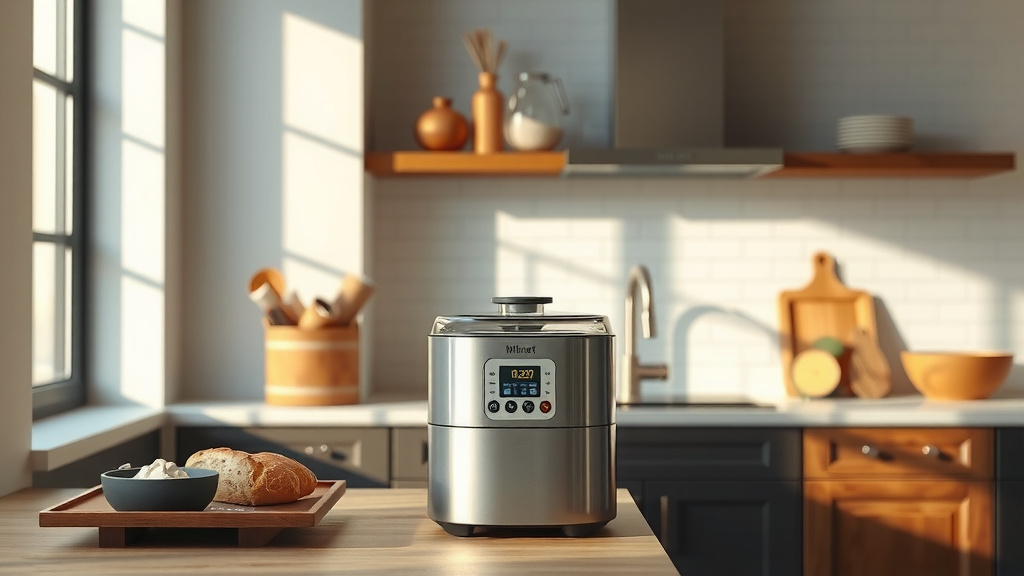
Using a bread maker unattended can be safe if you follow its instructions and take sensible precautions. Most modern bread makers are designed with safety features to operate reliably through their cycles.
However, it’s always wise to supervise your appliance during the initial stages or if you are using it for the first time, just to be sure.
Here’s a quick overview of what you’ll find:
- Generally, leaving a bread maker unattended is safe, especially during its longer cycles.
- Still, you should know about potential, though rare, risks like overflows or electrical quirks.
- Always read your manual; it’s your best guide for safe operation.
- Using smart placement and performing simple maintenance really helps.
- Modern bread makers often come with features that boost safety, like delay timers.
Is It Safe To Use A Bread Maker Unattended?
Yes, for the most part, it is safe to use a bread maker unattended, as these appliances are built for convenience and generally operate without issues. They are designed to manage the entire bread-making process from start to finish on their own.
Understanding Your Bread Maker’s Cycle
Your bread maker goes through several distinct stages to turn flour and water into a delicious loaf. Knowing these steps helps you understand why unattended use is typically fine. It’s like a little kitchen robot, quietly doing its job.
The Mixing and Kneading Stage
First, all your ingredients get mixed and kneaded. The machine’s paddle actively works the dough, developing its structure. This stage usually lasts about 20-30 minutes and is quite active.
The Rising Stage
After kneading, the dough rests and rises. Your bread maker maintains a warm, consistent temperature. This can happen multiple times and is a much quieter, passive stage of the process.
The Baking Stage
Finally, the heating element bakes the dough into a loaf. The machine precisely controls the temperature and time. This is the last active step, making your kitchen smell wonderful.
Potential Risks of Leaving a Bread Maker Unattended
While bread makers are generally safe, it’s good to be aware of the occasional, unlikely issues. Thinking about these helps you take proper precautions. It’s all about being prepared, not paranoid.
Fire Hazards – A Rare Concern
Fires from kitchen appliances are thankfully rare, but they can happen. With bread makers, issues might stem from faulty wiring or overheating. We found that proper care reduces risks significantly (NFPA).
Here’s a look at common kitchen appliance fire causes:
| Potential Issue | Risk Level (Unattended) |
|---|---|
| Faulty Wiring | Low, but present |
| Overheating | Very Low |
| Improper Use | Moderate (user error) |
| Ventilation Blocked | Low to Moderate |
Electrical Issues and Overheating
Sometimes, an old or damaged power cord could pose a risk. Also, if the machine’s vents are blocked, it could get too hot. Always check your cord for fraying and ensure good air circulation around the appliance.
Messy Overflows
Adding too much liquid or flour can cause dough to overflow the pan during rising. This isn’t a safety hazard, but it creates a big mess. It’s a good reminder to measure ingredients carefully, every time.
- Too much yeast can cause rapid, excessive rising.
- Using incorrect flour types might affect dough structure.
- The wrong liquid-to-flour ratio can lead to sticky, unruly dough.
- Leaving the lid ajar might mess up the internal temperature.
Smart Habits for Safe Bread Maker Use
You can greatly reduce any potential risks by adopting a few simple habits. These are easy to incorporate into your routine. Think of it as giving your bread maker a little extra TLC.
Always Follow the Manual
Your bread maker’s manual is packed with specific safety warnings and usage tips. Reading it ensures you understand your model’s unique features. It’s the manufacturer’s best advice for you.
Placement Matters
Place your bread maker on a flat, stable, heat-resistant surface, away from anything flammable. Ensure there’s plenty of space around it for air to circulate. Never put it under cabinets where steam can collect.
Checking Ingredients
Always use fresh ingredients and measure them accurately. Old or expired yeast might not activate correctly, causing issues. Proper measurements prevent dough from overflowing or becoming too dense.
Regular Maintenance
A little bit of upkeep goes a long way in keeping your appliance safe. Think of it as a small investment in your bread maker’s lifespan and your peace of mind.
- Inspect the power cord for any damage or fraying.
- Clean the interior and paddle after each use.
- Ensure vents are clear and dust-free.
- Check the bread pan for wear and tear.
- Store the bread maker in a dry, safe place.
Advanced Features for Peace of Mind
Many modern bread makers come with built-in safety features. These additions make them even more reliable for unattended operation. They truly make baking worry-free.
Delayed Start Timers
These timers let you add ingredients and set the machine to start baking hours later. You can wake up to fresh bread without needing to be present during the mixing. It’s pure baking magic.
Automatic Shut-Offs
Most bread makers turn off automatically once the baking cycle is complete. Some even have a “keep warm” function that also shuts off after an hour or so. This prevents over-baking and potential overheating.
When is it Okay to Leave Your Bread Maker?
It’s generally fine to leave your bread maker alone during most of its cycle, especially after the initial mixing. If you’ve ensured everything is set up correctly, you can relax. Many people start a loaf before going to bed.
Conclusion
Using a bread maker unattended is a common and generally safe practice, thanks to their design and built-in safety features. By following your appliance’s manual, practicing good placement, and keeping it clean, you can enjoy delicious homemade bread without constant supervision. A little common sense goes a long way in making your bread-making experience both safe and satisfying.
Is it normal for a bread maker to make noise during operation?
Yes, it’s completely normal for a bread maker to make various noises. You’ll hear whirring during mixing and kneading, and sometimes clicking as the machine shifts cycles or drops ingredients. Don’t worry, those sounds are just your machine working hard.
Can I leave my bread maker on overnight?
Many bread makers are designed with delayed start timers, making them perfect for overnight use. You can load ingredients before bed and wake up to fresh bread. Always check your specific model’s manual for recommended overnight use and safety guidelines.
What should I do if my bread maker smells like burning plastic?
If you notice a burning plastic smell, immediately turn off and unplug your bread maker. This could indicate an electrical issue. Allow it to cool down, inspect for visible damage, and contact the manufacturer or a qualified repair service before using it again.
How often should I clean my bread maker?
You should clean your bread maker after every use, especially the bread pan and kneading paddle. A quick wipe-down prevents dried-on dough from causing issues. A deeper clean of the exterior and vents can be done less frequently, perhaps monthly, to ensure longevity.
Are bread makers energy efficient when left on?
Bread makers are generally energy efficient for the tasks they perform. While they use power during baking, they consume very little in standby modes or during the rising cycles. Modern models are designed to optimize energy use throughout the entire bread-making process.