
Can A Bread Maker Catch Fire?
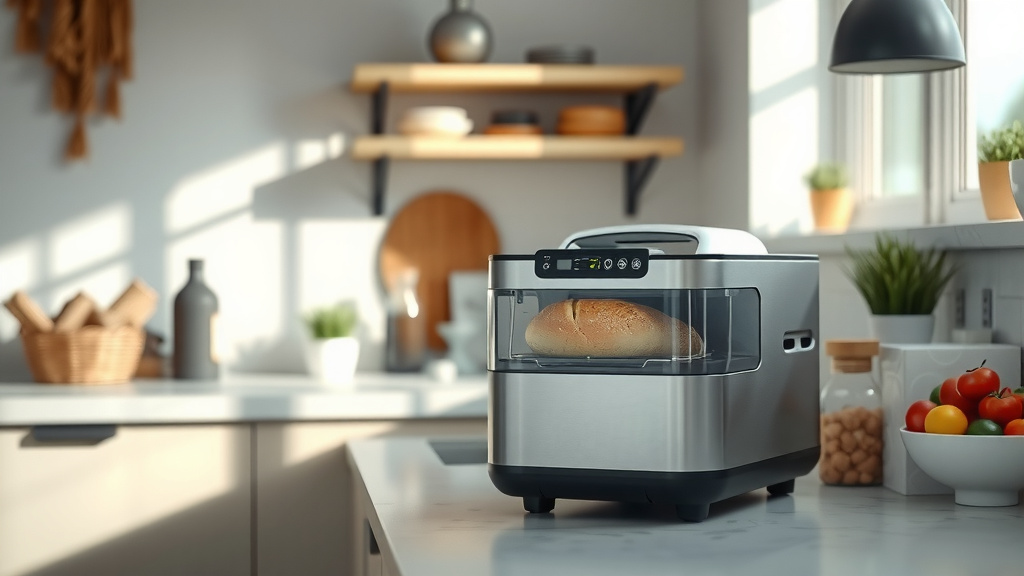
Yes, a bread maker can catch fire, though it is extremely rare for a modern, well-maintained machine to do so. These incidents typically stem from electrical malfunctions, improper use, or internal component failures.
While the risk is low, understanding potential causes and taking preventive measures can help ensure your bread maker operates safely.
- Bread makers can catch fire, but it’s a rare occurrence, usually linked to electrical problems or poor maintenance.
- The main culprits include electrical faults, motor issues, or the presence of flammable foreign objects inside the machine.
- Preventative steps like regular cleaning, proper placement, and avoiding overloading are crucial for safety.
- Always follow manufacturer guidelines and promptly address any strange smells or sounds from your bread maker to prevent hazards.
- Knowing what to do if a fire starts, like disconnecting power, can help you act quickly and keep everyone safe.
Can A Bread Maker Catch Fire?
Yes, while not a common occurrence, a bread maker certainly can catch fire under certain circumstances. This isn’t meant to cause alarm, but rather to encourage awareness about your appliances.
We found that incidents are often linked to specific issues, not a general flaw in the product design itself (Consumer Product Safety Commission).
Understanding the Risks
It’s natural to wonder about the safety of any appliance that uses heat and electricity. Your bread maker mixes, kneads, and bakes, performing several tasks.
Like any kitchen gadget, it requires attention and proper care to prevent potential problems. Ignoring strange smells or noises can be a recipe for disaster.
Are Bread Makers Safe Overall?
Generally, bread makers are very safe appliances. Manufacturers design them with multiple safety features. They undergo strict testing before reaching your kitchen.
Most of us enjoy years of trouble-free bread making. However, even well-made products can sometimes develop faults or be used improperly, increasing risk.
Common Causes of Bread Maker Fires
When a bread maker does catch fire, it’s usually due to a few identifiable reasons. Think of it like a chain of events, where one small issue leads to another.
Let’s explore what might cause such an incident, so you can be informed and take proactive steps. Knowledge is your best safety tool.
Electrical Issues: A Major Culprit
Electrical problems are a leading cause of appliance fires. This includes faulty wiring, loose connections, or a damaged power cord.
An internal short circuit within the bread maker’s motor or heating element can also generate excessive heat. This extreme heat can quickly ignite surrounding materials (Electrical Safety Foundation International).
Preventing Overheating
Overheating is another significant risk. If the ventilation vents are blocked, or the motor is working too hard, internal temperatures can soar. Imagine trying to run a race with your mouth covered!
This can stress components, potentially leading to a malfunction or even a fire. Ensure your machine has plenty of room to “breathe” during operation.
The Danger of Foreign Objects
Sometimes, non-food items can accidentally fall into the bread maker’s mechanism. A stray piece of plastic, foil, or even a small utensil could cause serious issues.
These objects might jam moving parts or come into contact with heating elements. They could then melt or ignite, leading to a fire. Always double-check your ingredients and the pan before starting.
Why Cleaning Matters for Safety
Regular cleaning isn’t just about hygiene; it’s a critical safety measure. Flour dust, crumbs, and grease can build up over time inside the machine.
These accumulations are highly flammable. If they come into contact with a hot heating element or an electrical spark, a fire can easily start. Think of it like kindling in a fireplace.
Bread Maker Cleaning Checklist
- Always unplug the machine before cleaning.
- Wipe down the interior and exterior with a damp cloth.
- Remove any dough residue from the kneading paddle.
- Check and clean ventilation holes, ensuring they are clear.
- Clean under the pan where flour dust might collect.
- Inspect the heating element for any caked-on residue.
Placement Is Key
Where you place your bread maker can greatly impact its safety. Never place it too close to walls, curtains, or other flammable materials.
It needs good airflow to prevent overheating. Give it space on a stable, heat-resistant surface, away from any water sources. This simple step helps manage heat effectively.
Don’t Overload Your Machine
Each bread maker has a specific capacity. Trying to make a loaf larger than what your machine is designed for puts excessive strain on the motor and heating element.
This can cause the components to overheat and fail prematurely. Always stick to the recipes and ingredient quantities recommended in your machine’s manual. Don’t push your machine beyond its design limits.
What About Power Surges?
Power surges, though often brief, can send a rush of electricity through your appliance. This sudden jolt can damage internal components, potentially leading to overheating or electrical fires.
Using a surge protector for your bread maker, especially in areas prone to electrical fluctuations, is a smart defensive move. It acts as a shield for your valuable appliance.
Regular Maintenance Checks
A little preventative care goes a long way. Regularly inspect your bread maker for any signs of wear and tear.
Look for frayed cords, unusual noises, or strange smells when operating. Many experts say that addressing these small issues early prevents larger problems later (Underwriters Laboratories).
Signs Your Bread Maker Needs Attention
| Observation | Potential Issue | Action |
|---|---|---|
| Strange burning smell | Overheating, electrical fault | Unplug immediately, do not use |
| Loud grinding noises | Motor issue, jammed parts | Unplug, inspect for foreign objects |
| Smoke or sparks | Serious electrical malfunction | Unplug, evacuate, call emergency |
| Unit feels unusually hot | Poor ventilation, overload | Unplug, check placement and recipe |
| Power cord is frayed | Electrical hazard | Replace cord or machine |
Smart Usage Habits
Always stay nearby, or at least in the same home, while your bread maker is running. This allows you to quickly respond if anything seems amiss.
Never leave it unattended for extended periods, especially overnight. This simple rule reduces risk significantly.
Emergency Steps if Fire Happens
If your bread maker catches fire, your first and most crucial step is to unplug it immediately, if it is safe to do so. Do not use water on an electrical fire.
Use a fire extinguisher rated for electrical fires (Class C) or baking soda to smother small flames. If the fire grows, evacuate your home and call emergency services. Your safety is always paramount.
Is Your Old Bread Maker a Risk?
Older appliances, including bread makers, can pose a higher risk simply due to age and wear. Components degrade over time, increasing the likelihood of malfunctions.
If your machine is very old and shows signs of wear, it might be time to consider an upgrade. Sometimes, replacing an old appliance is the safest bet.
Choosing a Safe Bread Maker
When buying a new bread maker, look for models from reputable brands that comply with safety standards. Check for certifications from safety organizations like UL or ETL.
Reading user reviews can also offer insights into common issues. A little research goes a long way in ensuring peace of mind. Invest in a quality appliance.
Conclusion
While the thought of a bread maker catching fire can be unsettling, it’s important to remember that such incidents are rare. Most bread makers are designed with safety in mind and serve their owners faithfully for years.
By understanding the potential causes – primarily electrical faults, overheating, and improper use – you can take simple yet effective steps to minimize any risk. Regular cleaning, proper placement, and mindful operation are your best defenses.
Stay vigilant for any unusual signs, like strange smells or noises. Your commitment to safety ensures that your bread maker remains a source of delicious, homemade bread, rather than a cause for concern. Happy baking!
Can I leave my bread maker running overnight?
It’s generally not recommended to leave your bread maker running unsupervised overnight. While many models have delayed start timers, staying awake to monitor any potential issues like overheating or strange smells is a safer practice. Always prioritize active supervision during operation.
What should I do if my bread maker smells like burning plastic?
If you detect a burning plastic smell, immediately unplug your bread maker. Do not attempt to open or use it again. This smell often indicates an electrical issue or overheating component, and continuing to operate it could be dangerous. Contact the manufacturer or a qualified repair technician.
Are refurbished bread makers less safe?
Refurbished bread makers can be safe if they’ve been professionally inspected and repaired by the manufacturer or a certified technician. However, buying from unverified sources carries higher risks. Always ensure any refurbished appliance comes with a warranty and assurance of safety checks.
How often should I clean my bread maker’s ventilation holes?
You should check and clean your bread maker’s ventilation holes after every few uses, or at least once a month, depending on how frequently you use it. Keeping them clear of dust and crumbs is vital for proper airflow and preventing the machine from overheating.
Can using off-brand bread mixes increase fire risk?
Using off-brand bread mixes generally does not increase fire risk, as long as they are standard bread ingredients. The risk typically comes from using too much or too little liquid, causing the motor to overwork, or if non-food items accidentally fall into the machine. Always stick to the correct ingredient ratios.
